Portuguese
  Spanish


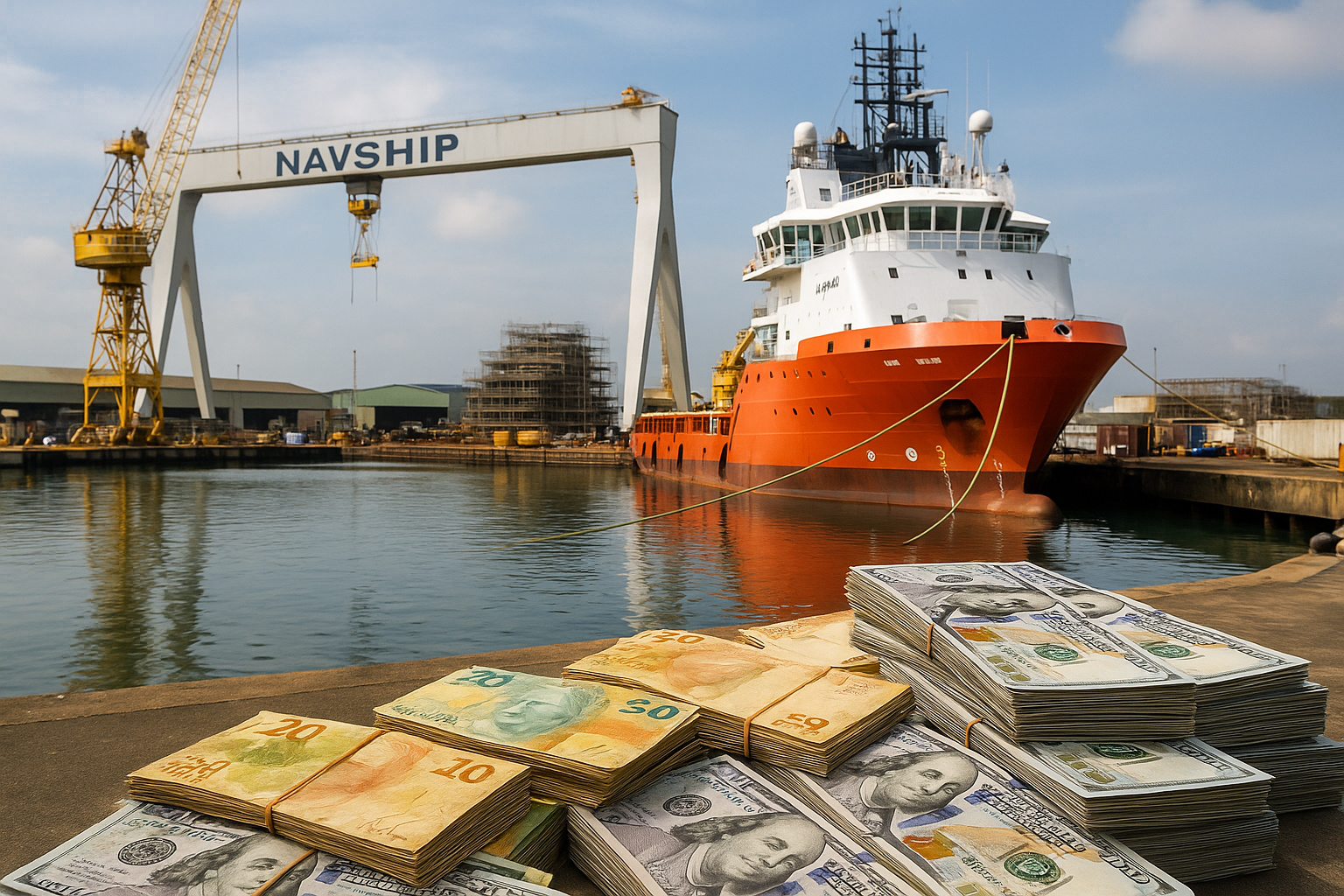


Investment Boosts Shipyards, Creates Jobs, and Strengthens Contracts with Petrobras in Rio de Janeiro and Santa Catarina
The National Bank for Economic and Social Development (BNDES) approved, in 2024, the release of R$ 239.3 million for the Edison Chouest Offshore Group, operator of shipyards and port terminals in Brazil.
The financing, obtained through the Merchant Marine Fund (FMM), aims to modernize vessels and complete a strategic project at the Port of Açu, in São João da Barra (RJ). In addition, the measure is part of the government’s strategy to revitalize the Brazilian shipbuilding industry.
Technological Modernization of Vessels
Of the total amount, R$ 186.1 million will go to Bram Offshore, a subsidiary of the American conglomerate. Thus, the funds will cover 90% of the repair and conversion costs for 15 vessels, including one contracted by Petrobras.
As a result, one of these vessels will gain hybrid propulsion, with onboard batteries, which will reduce fossil fuel consumption and increase energy efficiency. In addition, the modernization will allow for lower operational costs and reduced pollutant emissions.
The interventions will take place at the Navship shipyard in Navegantes (SC), which is also part of the group. Therefore, the BNDES expects to mobilize 413 professionals, strengthening skilled jobs and stimulating the regional economy. Thus, the project combines income generation with technological advancements.
-
Eco Invest Auction Aims to Unlock $10 Billion in Investments, Focusing on Green Fertilizers, Critical Minerals, Batteries, and AI for Clean Industry in Brazil

-
Half of Brazilians Prefer Lower Taxes with Private Health and Education, While 44% Opt for Higher Taxes for State-Provided Services, Datafolha Survey Reveals

-
Brazil’s Most Expensive Toll Rises to R$ 40.60 on Route from São Paulo to the Coast, Nearly Matching Bus Fare to Santos

-
As Brazil Expands Social Welfare, Survey Reveals 40% Blame Poverty on Laziness, While 58% Cite Lack of Opportunities





Completion of Construction at the Port of Açu
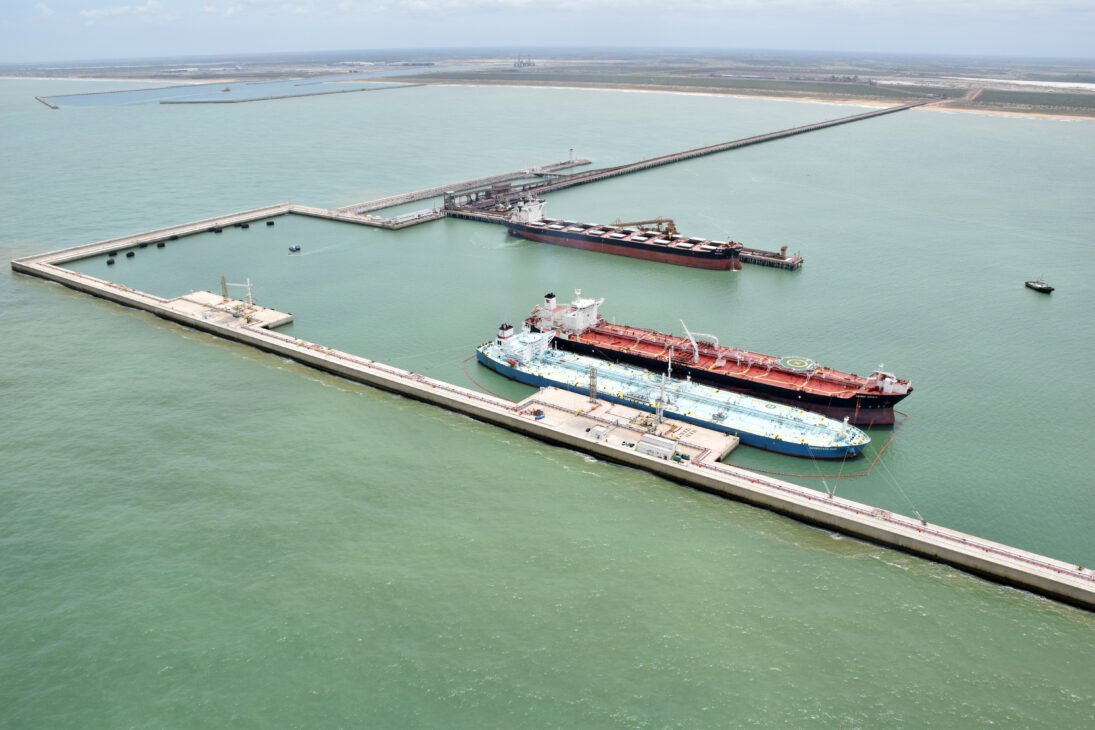
Meanwhile, R$ 53.2 million will be allocated to complete a project at the Port of Açu, which received initial approval in 2017. However, the works were halted during the pandemic. Now, the resumption marks a new phase of logistical expansion in the region.
The project, estimated at R$ 322.3 million, has already received R$ 183.3 million and generated 322 direct jobs. In addition, the construction strengthens the port’s infrastructure to meet growing demands.
According to the BNDES, the unit in São João da Barra will serve recent contracts from Petrobras with the conglomerate. These contracts, in turn, include the construction of ten new vessels at the Navegantes shipyard. Thus, the project enhances operational capacity and keeps Brazil competitive in the maritime sector.
Strategic Support for the Brazilian Shipbuilding Industry
The president of the BNDES, Aloizio Mercadante, stated that the bank follows the government’s directive from President Luiz Inácio Lula da Silva to resume support for the shipbuilding industry. According to him, more than 95% of Brazilian foreign trade occurs via maritime routes, making the sector fundamental for the economy and job creation.
In addition, incentives for the shipbuilding industry stimulate innovation, strengthen domestic production, and expand opportunities for local suppliers.
Key Points of the Investment
- R$ 239.3 million released in 2024 by the BNDES.
- R$ 186.1 million for repairs and conversions of 15 vessels.
- R$ 53.2 million to complete construction at the Port of Açu.
- 413 professionals involved in the work in Santa Catarina.
- 322 new jobs created at the Port of Açu.
- Contracts from Petrobras for 10 new vessels.
Therefore, the BNDES drives technological innovation, stimulates sustainability, and expands the productive capacity of the shipbuilding industry. Thus, the country prepares to meet growing demands and maintain relevance in global maritime routes.
And for you, what should be the priority: accelerating modernization to enhance the competitiveness of the shipbuilding industry or adopting a gradual expansion, ensuring stability and sustainability in the sector?