Portuguese
  Spanish



A Recent Survey Conducted by the ONTL Recently Indicated That, Besides Contributing to the Diversification of the Transportation Matrix in Brazil, the Prices of Cargo Transportation by Coastal Shipping with the BR do Mar Will Become Even Lower in the Country
The National Observatory of Transport and Logistics (ONTL) recently conducted a survey regarding the benefits of the proposed law known as BR do Mar in Brazil, and as of this Tuesday (07/05), the projections are favorable to cargo transportation by coastal shipping. This is because, according to the organization’s findings, the prices for moving goods between Brazilian ports will decrease over the coming years.
ONTL Survey Confirms That BR do Mar Will Bring Strong Benefits to Cargo Transportation Prices with the Adoption of Coastal Shipping in Brazilian Ports
The Bill for the Coastal Shipping Stimulus Program, known as BR do Mar, is the biggest bet of the Federal Government for the Brazilian port sector in the coming years, as it encourages the use of movement between the country’s ports to diversify the transportation matrix. However, this is not the only benefit that the project will bring: a survey by the ONTL has confirmed that the BR do Mar will also help reduce cargo transportation prices in Brazil.
Thus, according to the surveys conducted by the agency, to carry out a cargo movement of approximately 38,000 TEUs (measuring unit), over a certain period, between the ports of Suape (PE) and Santos (SP), 14 vessels are required, with an estimated cost of R$ 88 million.
-
They exchanged the idea of a large house for a 35 m² warehouse, spent US$ 12,000 on the structure, and created a tiny house in Colorado with space to live and work.

-
With two giant sails instead of relying solely on the engine, a modern cargo ship crosses the Atlantic carrying cars, forklifts, and goods to test using less diesel in maritime transport.
-
While modern cities rely on pumps and electricity, in Iran, ancient tunnels carried water through the desert using only slope and gravity.
-
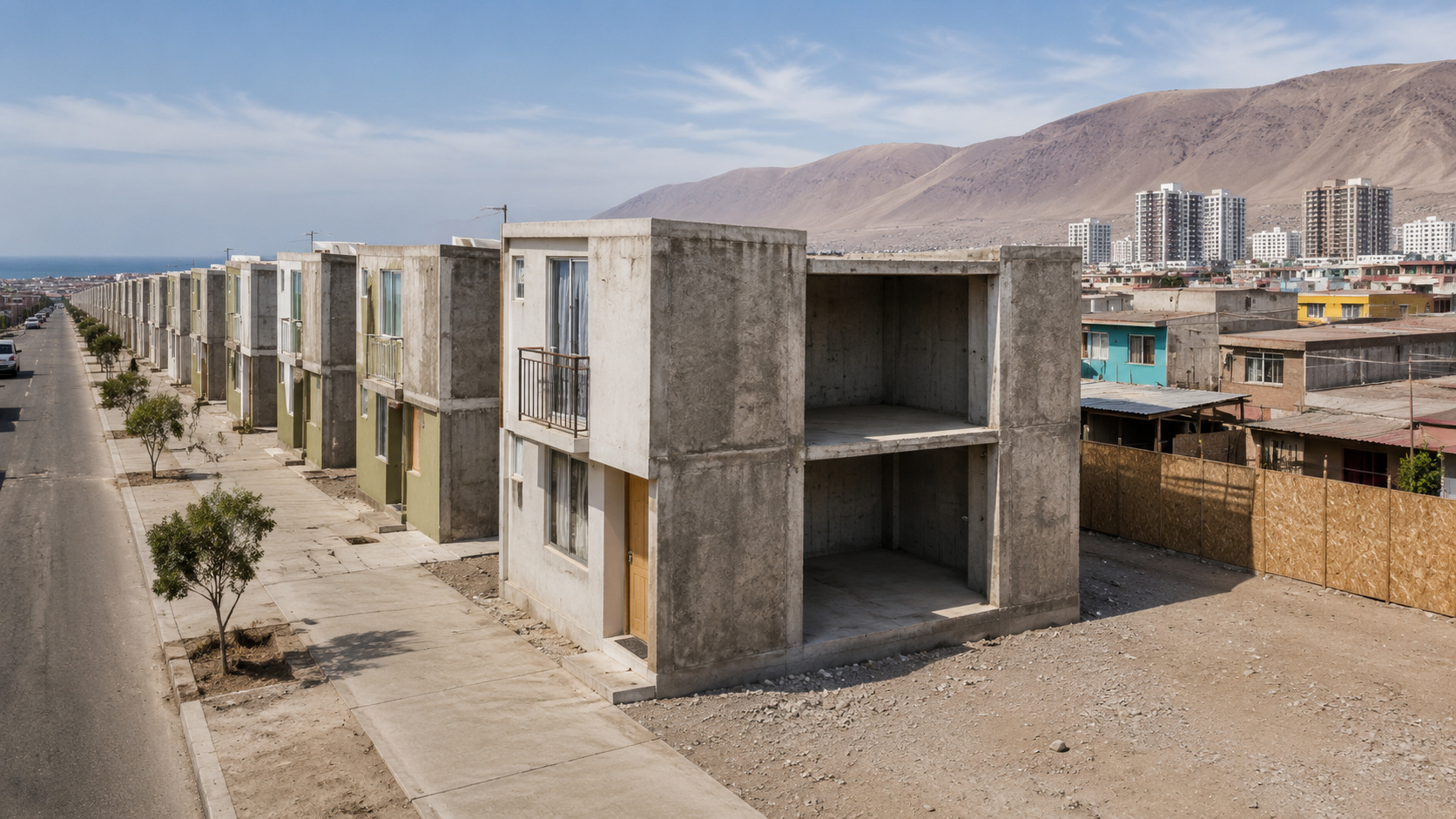
Instead of sending families far from the city, a project in Chile intentionally created incomplete houses on expensive urban land and left technical space for each to grow.


To carry out the same route by highways, it would require a total of 20,000 trucks and would cost 400% more, proving the high costs for the road modal compared to the waterway.
The BR do Mar came into effect this year, and after a good result in coastal shipping the previous year, as the data from the Ministry of Infrastructure shows that coastal navigation grew by 5.6% in 2021 compared to 2020, the expectation is that the results will be even better this year. Thus, federal deputy Sérgio Souza (MDB-PR) highlighted that it is the ideal time for Brazil to diversify the modes of transport used for cargo movement and take advantage of the high potential of national ports.
BR do Mar Is Just One of the Government’s Measures to Stimulate Diversification in Cargo Transportation in Brazil and Reduce Operation Prices
Although BR do Mar is the main bet of the Brazilian government for reducing transportation operation prices, due to the low costs of coastal shipping, the national authority is seeking other ways to diversify the transportation matrix in the country. Among the measures is the legal framework for railways, for example, which has the potential to increase the share of trains in the matrix from 20% to 40%.
Thus, Gilberto Gomes, a transportation infrastructure specialist, emphasized that this is the ideal moment for changes in the modes and said, “If we take, for example, the reforms in the railway sector, there is practically a revolution, where you stop building railways with public investments through concessions to allow private entities to build their own railways through authorization. This shows that we will have the possibility in the near future of reducing production costs due to an optimization of transportation modes.”
Now, the national market is advancing in investments to make cargo transportation activity prices decreasing, and BR do Mar, combined with the Legal Framework for Railways, will be essential for a growth perspective in the sector over the coming years.