






 Portuguese
  Spanish


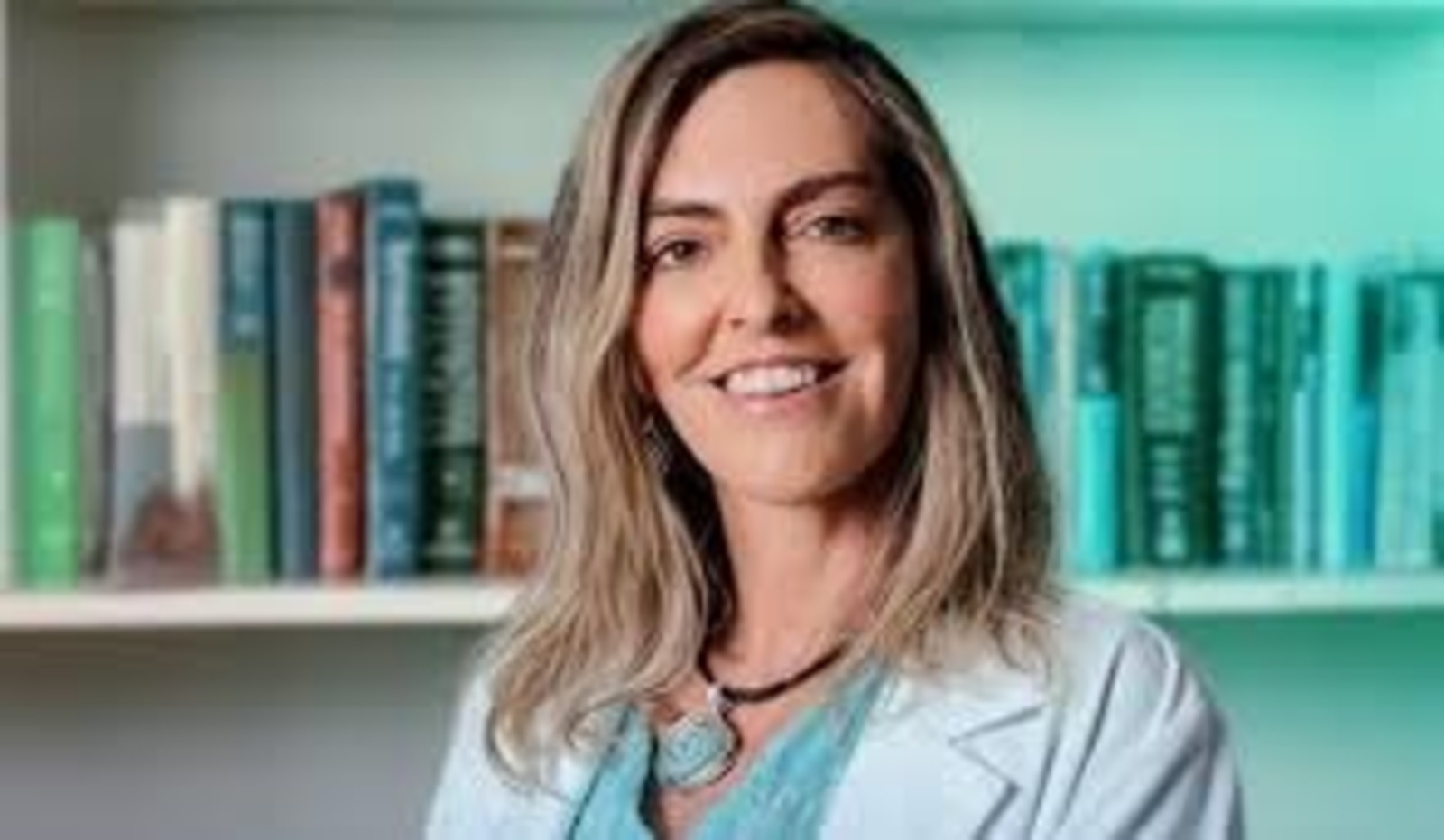


After 18 Years to Register Polylaminin in Brazil, Budget Cuts Prevented International Maintenance, Led to Loss of Patents and Exposed Weaknesses in Public Scientific Funding
Researcher Tatiana Coelho de Sampaio stated that Brazil lost international patents related to polylaminin after budget cuts affected the Federal University of Rio de Janeiro. According to her, the lack of resources prevented the payment of necessary fees to maintain the technology’s registration outside the country, compromising the international protection of the innovation.
Polylaminin and the Delay of 18 Years in National Registration
The patent application for polylaminin was filed in 2007, when the therapeutic potential of the substance was still in the early stages of development.
Despite this, the national granting took almost two decades to be completed. “It took us 18 years to achieve the granting of the national patent,” stated Tatiana, when mentioning the slowness in the processes with the National Institute of Industrial Property.
-
She spent 73 years breathing inside an iron lung, survived the aftereffects of polio, and became the last woman in the United States dependent on the equipment before dying at 78 years old.

-
Brazilian students created a $1 filter using pine bark, cotton, and 3D-printed parts to clean cassava wastewater, reduce the toxicity of a hazardous waste, and transform contaminated water into biofertilizer.

-
Astronaut from Artemis II steps down after mission to the Moon and decision surprises after a record of 406,771 km, a historic 10-day journey, and an unprecedented achievement for Canada.

-
A fossil kept for years in a small museum in Montreal concealed 450-million-year-old soft tissue, a discovery that has only happened once before in history.


During this period, the project faced administrative and financial challenges. The researcher emphasized that the prolonged wait directly impacted the technology’s protection strategy, especially in the international scenario, where fees must be regularly maintained to ensure the validity of the registrations.

Budget Cuts and Loss of International Patents
According to Tatiana, the situation worsened especially in 2015 and 2016, when budget contingencies affected federal universities. “Because of budget cuts, especially in 2015 and 2016, the university could not continue paying international fees. We lost all patents outside Brazil,” she reported.
To prevent the same from happening in the national territory, the scientist herself decided to take on part of the costs. “I even paid out of pocket to avoid losing the patent in Brazil,” she stated.
The gesture, according to her, was an attempt to preserve the work developed over years of research.
Tatiana believes that decisions of this kind go beyond the limits of a single laboratory. For her, the reduction of investments in science ends up weakening the country’s competitiveness and may result in the indirect delivery of knowledge produced in public universities for external use.
Public Funding, Partnership and Exclusivity
The researcher also challenged the idea that developed countries rely less on public resources for research.
“In the United States, most research funding also comes from public money,” she said.
She recalled that there was a strong reaction from the scientific community when President Donald Trump cut funding destined for science.
As of 2021, the polylaminin project began to receive full funding from the Cristália laboratory.
According to Tatiana, the cooperation was structured to preserve institutional rights. “It was a carefully negotiated cooperation to ensure that UFRJ would not be harmed,” she explained.
She emphasized that the patent is co-owned between the university and the company. The commercial exclusivity in Brazil, however, will be temporary. “The company will have exclusivity for only two years; after that, any laboratory will be able to produce.”
Commenting on the case, Tatiana stated that science requires continuity and long-term planning.
For her, the trajectory of polylaminin demonstrates how budget decisions can compromise the strategic protection of innovations and reduce the global reach of technologies developed in the country.

Innovation, Hope and Even Nobel Chance
Biologist Tatiana Coelho de Sampaio is one of the most cited Brazilian scientists currently in the field of neural regeneration due to the substance polylaminin, which she has developed over nearly three decades of research.
A professor at the Federal University of Rio de Janeiro, Tatiana coordinates the Laboratory of Extracellular Matrix Biology, where she investigates how proteins from the cellular matrix can stimulate the reconstruction of nervous connections damaged by spinal cord injury.
Polylaminin is a polymerized form of laminin, a protein naturally present in the body, which in the laboratory is extracted and adapted from biological material such as human placenta.
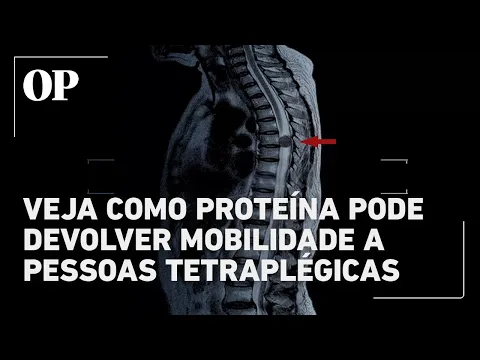

In initial tests, the molecule functions as a favorable environment for neuronal regeneration, stimulating axons — crucial structures in the transmission of nerve impulses — to reconnect in injured areas of the spinal cord.
In experimental trials, patients with severe conditions — including tetraplegia and paraplegia — who received the application of polylaminin demonstrated partial or total recovery of movements once considered irreversible, a result that surprised the scientific community and reignited global debates about therapeutic potential in regenerative medicine.
This advancement highlights not only the technology but also Tatiana’s own trajectory.
The scientist, who holds a degree in biology with a master’s and doctorate focused on cellular and molecular biology, has dedicated a large part of her career to studying laminins and seeking solutions that can transform treatments that do not currently exist.
The work has been recognized internationally and is seen by experts as one of the most significant advances in Brazilian medicine in recent decades, to the point where discussions about a potential nomination for the Nobel Prize in Medicine have gained space in specialized analyses.
Even so, the technology is still in the early phases of clinical research, and its large-scale impact will depend on future evaluation and regulatory approval stages.
With information from Portal Tela and Adventures in History.




A pesquisadora também contestou a ideia de que países desenvolvidos dependem menos de recursos públicos para pesquisa.
“Nos Estados Unidos, a maior parte do financiamento da pesquisa também vem do dinheiro público”, disse.
Ela lembrou que houve forte reação da comunidade científica quando o presidente Donald Trump cortou verbas destinadas à ciência.
Mas no atual “sistema” também teve cortes e Educação, Ciência e tecnologia, Saúde etc…
Sem esquecer o período citado por ela mesma 2015 2016
período citado por ela mesma 2015 2016
A pesquisadora também contestou a ideia de que países desenvolvidos dependem menos de recursos públicos para pesquisa.
“Nos Estados Unidos, a maior parte do financiamento da pesquisa também vem do dinheiro público”, disse.
Ela lembrou que houve forte reação da comunidade científica quando o presidente Donald Trump cortou verbas destinadas à ciência.