






 Portuguese
  Spanish
 2 min of reading
  3 comments


Chinese Manufacturer Launches Hybrid and Electric Models, Opens Research Center and Adopts Nationalization Strategies for Interventions in the Brazilian Automotive Sector
GWM, a Chinese origin manufacturer, is preparing to start vehicle production in Brazil, bringing a new era for the brand in the country. In May 2025, a GWM factory located in Iracemápolis, São Paulo, will begin assembling hybrid and electric vehicle models, expanding the offering of sustainable and technological vehicles for the Brazilian market. The first model to be produced locally will be the Haval H6 full hybrid (HEV), but the brand already has ambitious development plans for the near future, including the construction of a research and development center.
Innovation and Technological Development: Flex and Hybrid Vehicles for the National Market
With the goal of expanding the offering of vehicles tailored to Brazilian needs, GWM plans to develop plug-in hybrid vehicles with flex technology, capable of using ethanol as fuel. This innovation, so far presented only in some Toyota models in the country, represents a significant advancement for the brand, aligning its strategy with the new national automotive policy aimed at encouraging more sustainable technologies adapted to the local market.


Currently, GWM’s Haval H6 line already offers hybrid and plug-in versions fueled by gasoline. With the expansion to flex hybrid technology, the manufacturer aims to further diversify its range of options and adapt to the profile of Brazilian consumers, who value the use of ethanol as a more accessible and renewable fuel alternative. GWM’s partnership with Bosch, a giant in automotive technology, will be fundamental in this development, collaborating in the creation of electrified systems using ethanol.
-
Uber Faces Shareholder Scrutiny as Board Accused of Ignoring Safety, Compliance, and Harassment Warnings Amid Over 3,500 U.S. Lawsuits

-
Ferrari’s First Electric Car Divides Fans, Priced at $630,000, Amid Concerns Over Limited Editions; Brand Clarifies It’s Not Just for Future Perks
-
BYD Dolphin Mini: The Electric Car That Defies Depreciation, Losing Only 3.58% in a Year and Becoming the Best-Selling Retail Model Under $22,000

-
Electric Car JAC E-JS4 Loses $19,000 in Value in One Year, Leading Record Depreciation of Used Cars in Brazil Due to Expensive Battery and New Models


Production and Nationalization Strategy at the Iracemápolis Plant
Initially, GWM’s production in Brazil was designed to operate under the CKD (Complete Knock Down) model, in which vehicles are partially assembled in China and finalized in the destination country. However, with a recent change in strategy, the manufacturer will start assembling individual components on Brazilian soil, which will facilitate nationalization and ensure the fiscal benefits of the Mover program created by the Brazilian government to stimulate local production.
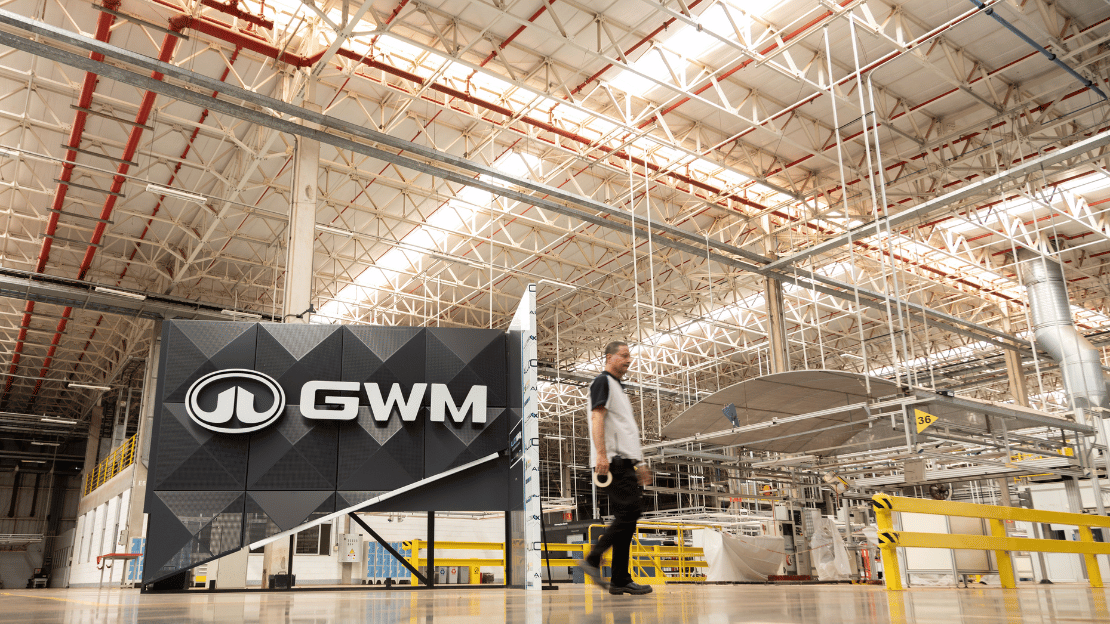
The Iracemápolis plant, which already had a paint shop from when it was operated by Mercedes-Benz, will be fundamental to GWM’s nationalization strategy. In the CKD system, vehicles arrive in the country already painted; with the new structure, however, painting and assembly of the vehicles will be done in Brazil, allowing the achievement of the 40% nationalization target necessary for fiscal benefits.





Enquanto no Governo Bolsonaro , Ford , Sony , Etc . Foram embora do Brasil !!! O Governo Atual brasileiro está conseguindo trazer Multinacionais para o Brasil . A BYD vai investir U$$ 20 bilhões de dólares no Brasil , para fabricar alguns modelos aqui também . Exportando para países vizinhos inclusive …. BYD que já é a 3 ° Maior Montadora do Mundo . Atrás apenas da Tesla , e da Toyota … Parabéns ao Governo Atual .
Falou muito bem vc tem a voz muito bonita
Muito bom veículos chineses barato e bom suponho mais empregos. Parabéns p nosso presidente e p os chineses