






 Portuguese
  Spanish


With Stagnant Productivity, Low-Quality Education, and High Debt, Brazil Struggles to Become a High-Income Economy
Brazil faces a series of obstacles to join the group of the richest nations in the world. Since the 1980s, the country has been trapped in the so-called middle-income trap. Despite some isolated advances, the challenges to move up a level remain significant.
Productivity is one of the main issues. Currently, a Brazilian worker produces, on average, 20% of what an American does.
In the 1980s, this gap was smaller, at 40%. Among the factors that explain the scenario are the low quality of education, economic uncertainty, and the lack of international integration.
-
Brazil’s 2026 Tax Refund: Record 9.58 Million Filers in Largest Payout Ever, But a Key Detail on Priority Recipients Draws Nationwide Attention

-
Itaú Alters Hybrid Work Model, Increasing Office Days from 2028, Prompting Employees to Adjust to New Routine
-
Facing Labor Shortage, Japan Plans to Invest $34 Million to Attract Foreign Workers in Construction, Healthcare, Industry, and Commerce

-
Brazilian City Makes Remarkable Leap, Becomes 4th Wealthiest in the Country with GDP of R$ 134.1 Billion



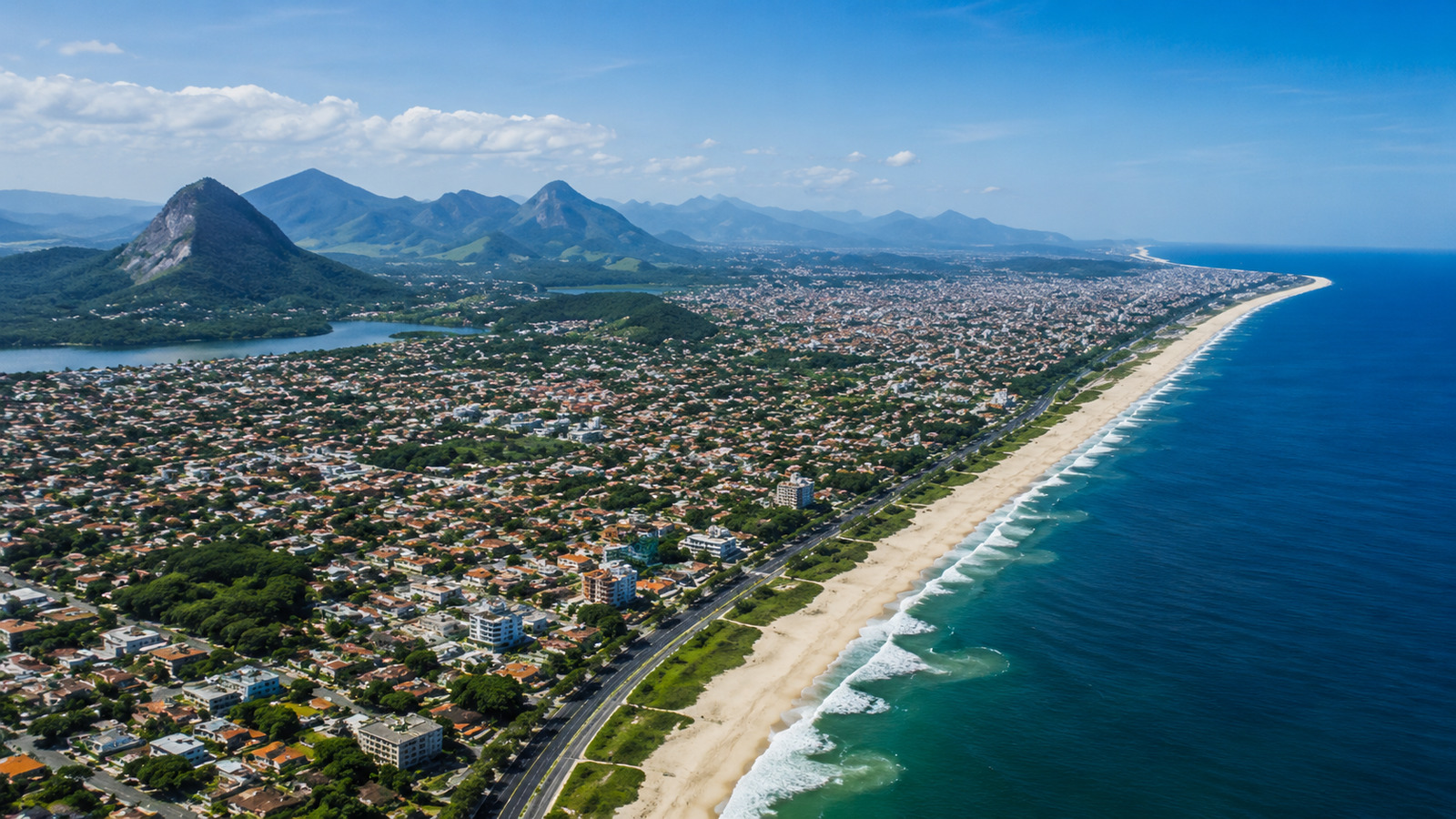
Below are the ten main challenges Brazil needs to overcome to advance economically.
Middle Income and Stagnant Growth
Without robust growth, the Brazilian economy remains stagnant. Brazil’s per capita Gross Domestic Product (GDP) was US$ 9,280 in 2023, according to the World Bank. This figure places the country among the upper-middle-income economies.
Between the 1950s and 1980s, Brazil managed to move from low to middle income. Now, to become a wealthy nation, the path involves simplifying the business environment, opening up the economy, and improving education.
Loss of Global Importance
Brazil’s share of global GDP is expected to decline to 2.4% by 2025, according to the International Monetary Fund (IMF). In 1980, Brazil accounted for about 4% of the world’s economy.
Low growth and successive crises explain the loss of relevance. Even with recent positive surprises in GDP, there is no expectation of acceleration until the end of the decade.
Closed Economy
Brazil is considered a closed economy. Low integration hinders access to major global production chains and the most modern technologies.
A successful example is Embraer. The company specialized in mid-sized aircraft and managed to stand out globally. Embraer’s experience shows that integration into the international market is possible and necessary.
Low-Quality Education
In international assessments, Brazilian performance is weak. In the Programme for International Student Assessment (PISA), Brazil ranked 52nd in reading among 81 countries. In mathematics and science, the positions were even worse: 65th and 61st, respectively.
Insufficient Educational Advances
Despite poor results, there has been progress. In 1992, 67% of the employed population had at most incomplete elementary education. By 2023, this number had dropped to 19.2%.
The percentage of workers with complete higher education also increased, rising from 5.8% to 21.9% over the same period. Nevertheless, Brazil remains behind countries that managed to universalize education decades ago, such as South Korea.
The increase in schooling duration is positive, but broader advances still need to be guaranteed.
High Informality
Informality in the Brazilian labor market has decreased but remains high. In 2023, 47.5% of the workforce was in informal situations.
If there had been no advancements in education, informality would have been at 62.3%, according to the Getúlio Vargas Foundation (FGV/Ibre). High informality reduces productivity and hampers economic growth.
High Debt of Brazil
Brazil’s indebtedness is high for an emerging country. The Independent Fiscal Institution (IFI) projects that Brazil’s public debt will exceed 100% of GDP by 2030.
High debt generates distrust regarding the stability of the economy. This raises interest rates, harms consumption and investment, and limits growth.
Difficulty in Fiscal Adjustment
Brazil faces structural difficulties in organizing public accounts. The budget is rigid, with many mandatory expenses and little room for cuts.
The Executive Branch has also lost influence over the budget, while the weight of parliamentary amendments has increased. Additionally, the country grants high tax expenditures, reaching R$ 547.3 billion, or 4.4% of GDP.
The IFI estimates that Brazil would need to generate a primary surplus of 2.5% of GDP, about R$ 310 billion, to balance the accounts. This figure highlights the size of the fiscal challenge.
Cost of Brazil
Investing in Brazil is expensive. The high-interest rates and charges, such as those for electricity, impact the business environment. In the electricity sector, charges account for between 55% and 70% of the price paid by consumers.
Projects that require a large volume of investment, such as energy transition projects, may lose attractiveness if these costs are not reduced.
In Search of Investment Grade
In 2015, Brazil lost its investment grade, a kind of seal of good payer, issued by credit rating agencies.
The investment grade is important because it allows international pension funds, which can only invest in assets considered safe, to allocate resources in the country.
To regain investment grade, Brazil needs to reduce its indebtedness and organize its public accounts. This will be a crucial step to attract investments and return to sustainable growth.
With information from Estadão.








