Driven by pre-salt, a city in Rio de Janeiro state surpassed major capitals, accumulated R$ 2.6 billion in a sovereign fund, and transformed royalties into basic income, free transportation, university scholarships, shared bicycles, and investments aimed at the economic future
The GDP of Maricá reached R$ 134.1 billion in 2023, placing the municipality of 212 thousand inhabitants behind only São Paulo, Rio de Janeiro, and Brasília. Driven by pre-salt royalties, the city in Rio de Janeiro state also accumulated R$ 2.6 billion in a fund created to finance public policies after the oil cycle.


Maricá’s GDP surpassed economies of major capitals
Located just over 60 kilometers from Rio de Janeiro, Maricá underwent a significant change in just over two decades. In 2002, it ranked 354th among the richest cities in the country.
With the result recorded in 2023, the municipality reached fourth place in the national ranking, surpassing capitals like Belo Horizonte, Manaus, and Curitiba. It was the first time a non-capital city reached this position.
-
Controversial 6-day Workweek Elimination in Brazil Faces Economic Criticism Over Productivity Claims

-
Itaú to Refund Customers After 14 Years of Unauthorized Credit Card Charges; Agreement Includes No Interest or Adjustments, Deadline by 2028, with Potential Impact of Up to $6.5 Billion

-
Brazilian Company Grows from Bartering Soap for Food to Producing 30 Million Units Monthly, Challenges Global Giants with $100 Million Revenue and Expands into Premium Cosmetics
-
Petrobras and Engeko’s New Investment Plan Promises Billions and Thousands of Jobs, Capturing Market Attention


The GDP per inhabitant exceeded R$ 679 thousand, ranking among the highest in Brazil. The result is directly linked to the pre-salt oil exploration in the Santos Basin.
Maricá became the largest recipient of oil royalties in the country. According to city hall data, annual revenue from this source exceeds R$ 2.7 billion.
Sovereign fund already accumulates R$ 2.6 billion
To reduce future dependence on oil, the city hall created, in 2018, the first municipal sovereign fund in Brazil.
Approximately 15% of the resources received in royalties are saved and invested in public funds of Banco do Brasil and Caixa Econômica Federal.
The goal is to form a reserve capable of sustaining municipal policies when oil production decreases.
The Maricá Sovereign Fund ended 2024 with R$ 2.6 billion accumulated, according to municipal administration information.
The model has also begun to attract interest from other producing regions. Maricá received official delegations from Amapá, a state linked to the new oil exploration frontier on the Equatorial Margin.
Royalties finance income, transportation, and education
Part of the oil revenue was directed towards social programs and public services. Among them is the Mumbuca social currency, launched in 2013 and named after a local river.
Each mumbuca is equivalent to R$ 1, but the currency circulates only within the municipality’s commerce. It was introduced as the first fully digital social currency in Brazil.
Through the Basic Citizenship Income, more than 42,000 registered residents receive 200 mumbucas monthly. The municipality has also maintained free municipal buses since 2014.
Maricá was the first Brazilian city with more than 100,000 inhabitants to implement the Zero Fare system.
Another program is the University Passport, which offers full scholarships to residents enrolled in higher education.
The city also provides free shared bicycles, known as “little red ones.” These initiatives have made Maricá a reference in debates on basic income and public policies funded by oil revenues.

Population growth accompanies economic transformation
The economic expansion occurred alongside the population increase. Maricá grew from 127,000 inhabitants in 2010 to 212,000 in 2025, according to IBGE, recording the highest population growth in the state of Rio de Janeiro during the period.
In addition to Maricá’s GDP and municipal programs, the city has 46 kilometers of beaches and six lagoons.
Among the main spots are Itaipuaçu Beach, with 15 kilometers of extension, and Elephant Rock, with 412 meters of altitude.
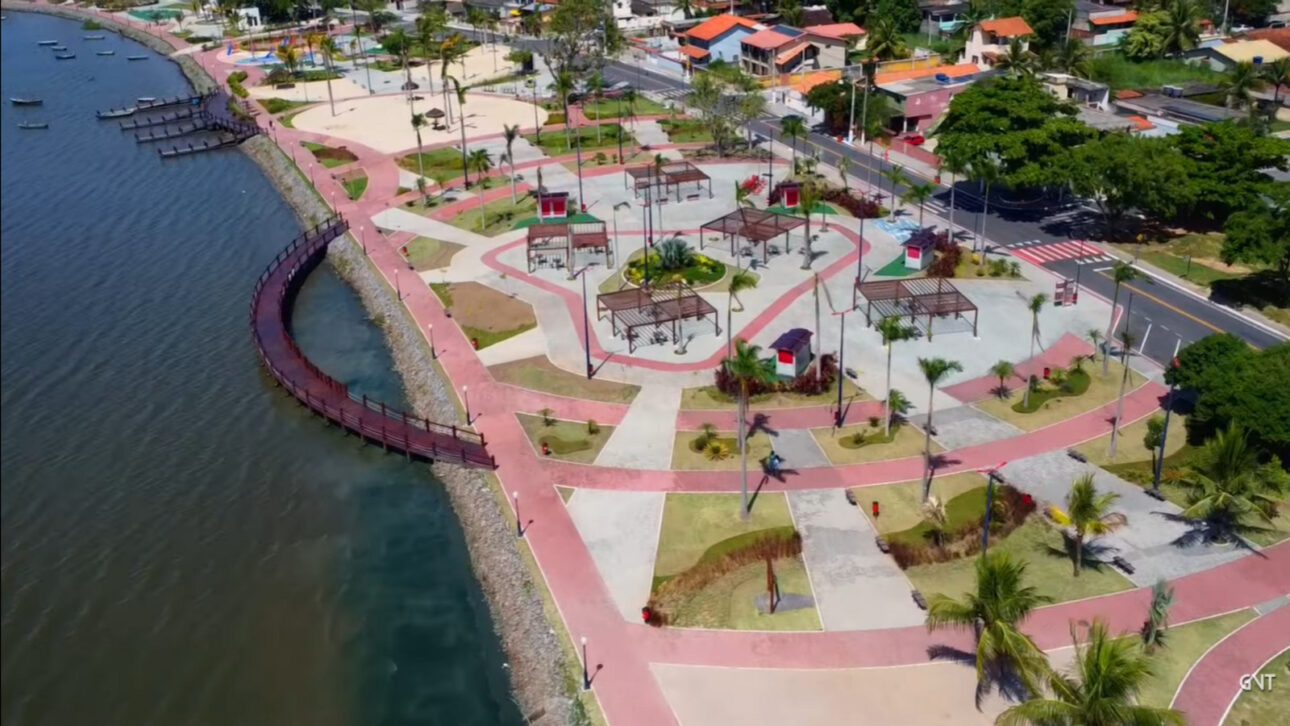
The Maricá Restinga features dunes, low vegetation, and the fishing village of Zacarias. Meanwhile, Araçatiba Lagoon has a revitalized five-kilometer waterfront, with a promenade, lighting, restaurants, and spaces for aquatic activities.
In the historic center is the Mother Church of Our Lady of Amparo, a temple built in 1788 that combines Baroque and Neoclassical elements.
This article was prepared based on information from the Brazilian Institute of Geography and Statistics, the City Hall of Maricá, and the Tourism Department of the State of Rio de Janeiro, with data, numbers, and statements preserved as per the consulted material.