Portuguese
  Spanish


New Generation of Brazilian Television Will Integrate Internet and Live Broadcast, with Interactivity, 4K Quality and Smart Features. TV 3.0 Will Be Implemented by the 2026 World Cup.
Brazil is preparing to make a significant leap in the evolution of open TV with the arrival of TV 3.0, a new technology that promises to transform the way the public consumes television content. Scheduled for an official launch in 2026, TV 3.0 goes beyond high-resolution images: it brings interactivity, personalization, and direct integration with the internet.
The new generation of digital television in Brazil is based on advanced international standards and will be able to offer 4K images with HDR, immersive sound, and unprecedented interactive features, such as real-time voting, purchasing products that appear on screen, and choosing alternative camera angles during sports broadcasts.
TV 3.0 Will Unite Open TV and Internet on the Same Screen
The key differentiator of TV 3.0 will be the integration between open TV and the internet, allowing broadcasters to offer on-demand content, personalized recommendations, and even the ability to replay segments shown live. The viewer’s experience will no longer be passive: now, they will be able to interact directly with the programming.
-
Welder Discovers 16th-Century Diamond Ring in England After 7 Hours with Metal Detector; Gold Jewel Linked to Edward I Pattern Auctioned for £17,000

-
Former Merchant Marine Captain Invents Fuel-Free Barrier, Removes 20,000 Tons of Trash from Chennai Rivers
-
14-Year-Old Maxim Harris Turns School Project into Anti-Rage Gaming Accessory, Sells 1,000 Units Across 46 U.S. States, Donates 20% of Profits to Charity
-
Brazilian Health Agency Approves First Oral Medication for Cancer Patients




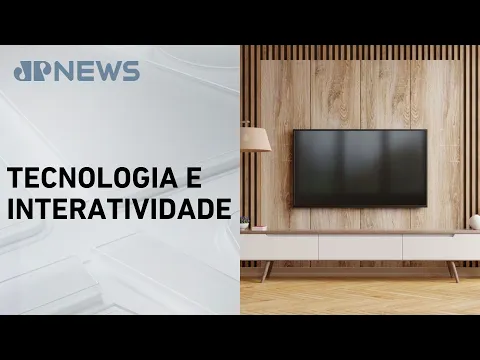

According to the Brazilian Association of Radio and Television Broadcasters (Abert), the new platform will transform traditional broadcasters into digital platforms, capable of offering content in multiple formats, devices, and with much greater personalization than the current digital TV allows.
When Does TV 3.0 Start in Brazil?
According to Flávio Lara Resende, president of Abert, the implementation of TV 3.0 in Brazil will begin in 2026 and will be done gradually. Unlike the transition between analog and digital TV, which was mandatory, the new phase will depend on the commercial interest of the broadcasters and the voluntary adoption by the public.
The expectation is that migration will gain momentum as the FIFA World Cup 2026 approaches, which will be used as a symbolic milestone for the beginning of the new era of television. The federal government is expected to sign the regulatory decree later this year, allowing public and private investments.
Interactive TV: How Will the Viewer Experience Be?
The arrival of interactive TV will bring a series of features previously exclusive to streaming platforms. The public will be able to:
- Participate in live polls.
- Purchase products directly through TV.
- Choose different camera angles during games.
- Rewatch scenes already shown with just a few clicks.
- Access extra content (like behind-the-scenes, trailers, or statistics).
All this will be possible thanks to hybrid transmission technology (broadcast + broadband), which allows real-time data to be sent directly to connected TVs.
Technology Standard and Tests Underway
The TV 3.0 in Brazil will be based on a set of technologies known as NextGen TV (ATSC 3.0), already implemented in countries like the United States and South Korea. The system features 4K UHD resolution, 3D audio with language customization and accessibility, in addition to content recommendation algorithms.
In Brazil, tests with the new standard are already taking place in cities like Rio de Janeiro. After the validation phase, the technology will be expanded to other states.
Price and Converters: How Much Will the Consumer Pay?
During the transition period, digital TV sets will continue to function normally. For those who want to access the new technology, it will be necessary to purchase a TV 3.0 converter, which is estimated to cost R$ 400, a price similar to what was charged during the digitalization of analog TV.
The more modern TVs may come with the standard built-in, without the need for a converter. Additionally, it is expected that free distribution programs will be implemented by the government for low-income families, similar to what occurred during the transition to the current digital TV.
R$ 2 Billion in Investments for the Future of Television
To enable the new generation of TV in Brazil, investments of around R$ 2 billion are planned. This amount will be used for infrastructure, software development, broadcaster training, and communication with the public.
The project is coordinated by a group formed by the federal government, broadcasters, telecommunications operators, and the electronic industry, with support from Anatel, Ministry of Communications, Embratel, SET, and other sector entities.
TV 3.0: The Future of Television Is Closer Than Ever
The arrival of TV 3.0 in Brazil represents not only a technical advance but a profound change in how we relate to audiovisual content. Television, which for decades was a static and one-way medium, is becoming a dynamic, participatory, and connected environment with the digital reality of Brazilians.
With interactivity, personalization, 4K, 3D sound, and integration with apps and the internet, TV 3.0 promises to transform living rooms into smart media hubs, paving the way for a new chapter in the history of national broadcasting.