Portuguese
  Spanish


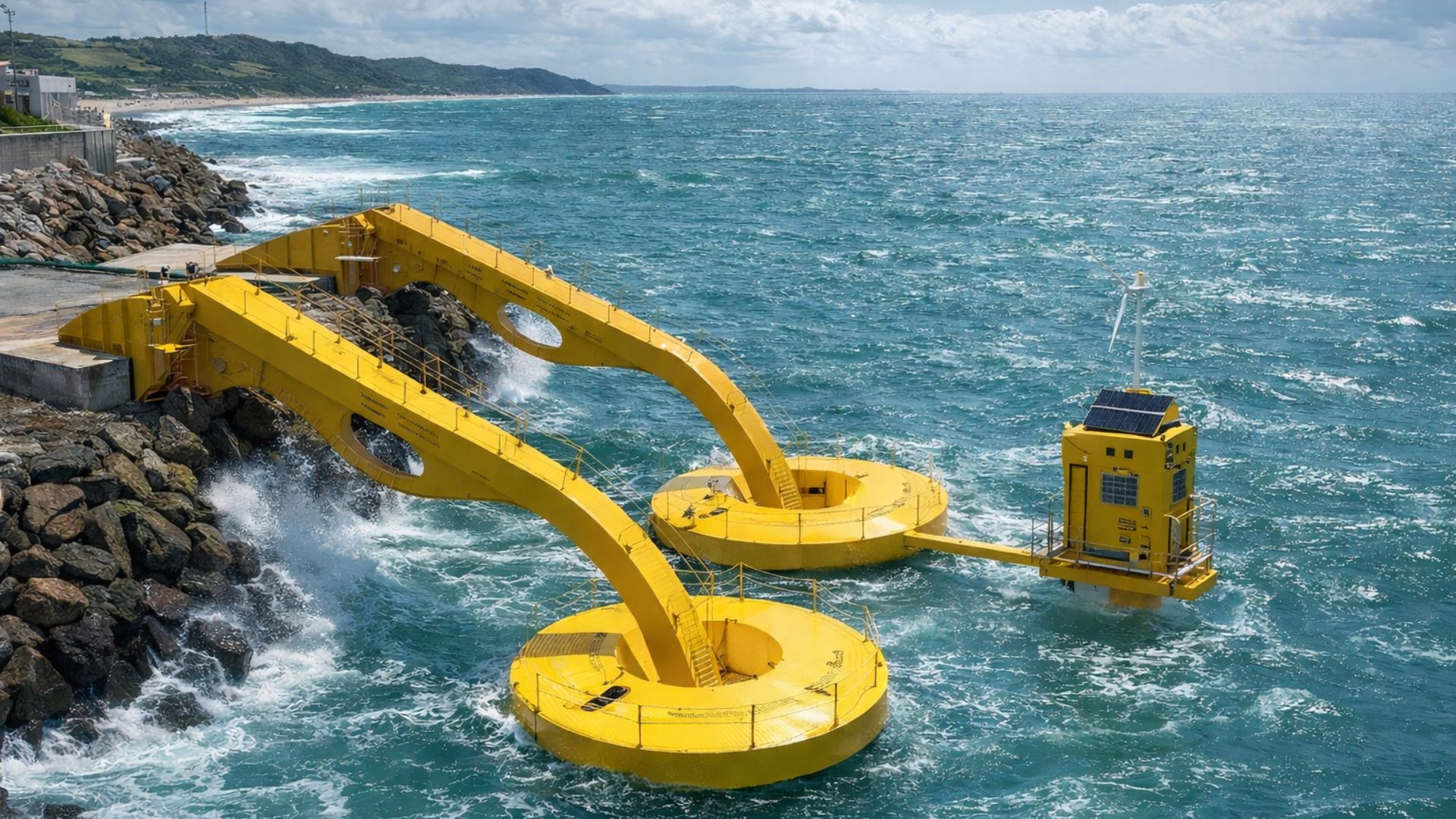

Brazil expands global presence by joining IEA, boosting ocean energy with new technologies, attracting investments, and strengthening the expansion of renewable energy in the national energy matrix.
Brazil took a significant step by joining the International Energy Agency, expanding its international presence at a decisive moment for the energy transition. According to the MCTI on April 13, this membership is directly linked to strengthening policies aimed at ocean energy, the development of new technologies, and the expansion of renewable energy.
In practice, this decision connects Brazil to one of the main global networks for energy cooperation. The IEA works on policy formulation, data production, and coordination among countries, serving as an international reference in the sector.
With this, the country gains access to strategic information and actively participates in discussions that shape the future of energy. This move also reinforces Brazil’s commitment to addressing climate change by prioritizing clean and sustainable sources.
-
Axia Energia Invests $280 Million in Q1, Increases Investments by 36%, and Turns Loss into $740 Million Profit

-
California Project Aims to Store Heat Underground in Former Oil Reservoir to Generate 100 kW of Electricity for Over 12 Hours
-
French Port Harnesses Industrial Waste Heat to Power Up to 30,000 Homes
-
Belgian Port to Install Shore Power for Cruise Ships by 2027, Cutting Dock Emissions by Up to 5% and Meeting EU Regulations



Ocean energy gains prominence on Brazil’s agenda
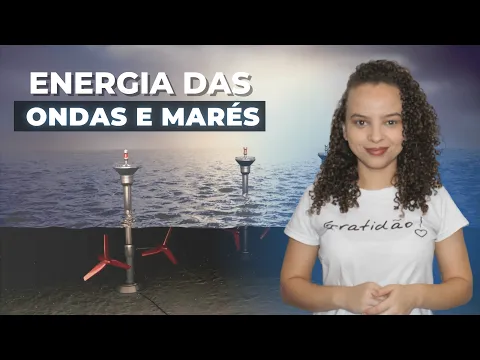
Ocean energy is beginning to occupy a strategic space in Brazil‘s energy matrix. This source uses natural marine processes, such as waves, tides, currents, and thermal gradients, to generate electricity.
The country has one of the longest coastlines in the world, which expands its exploration potential. However, this resource is still largely untapped, mainly due to the need for investments and the development of new technologies.
With its entry into the IEA, Brazil now joins the Ocean Energy Systems program, created in 2001 and exclusively dedicated to the advancement of ocean energy. Currently, the program brings together approximately 25 members, including countries such as the United Kingdom, the United States, China, Canada, Japan, and Australia, in addition to the European Union.
This environment fosters knowledge exchange and accelerates the development of solutions focused on renewable energy.
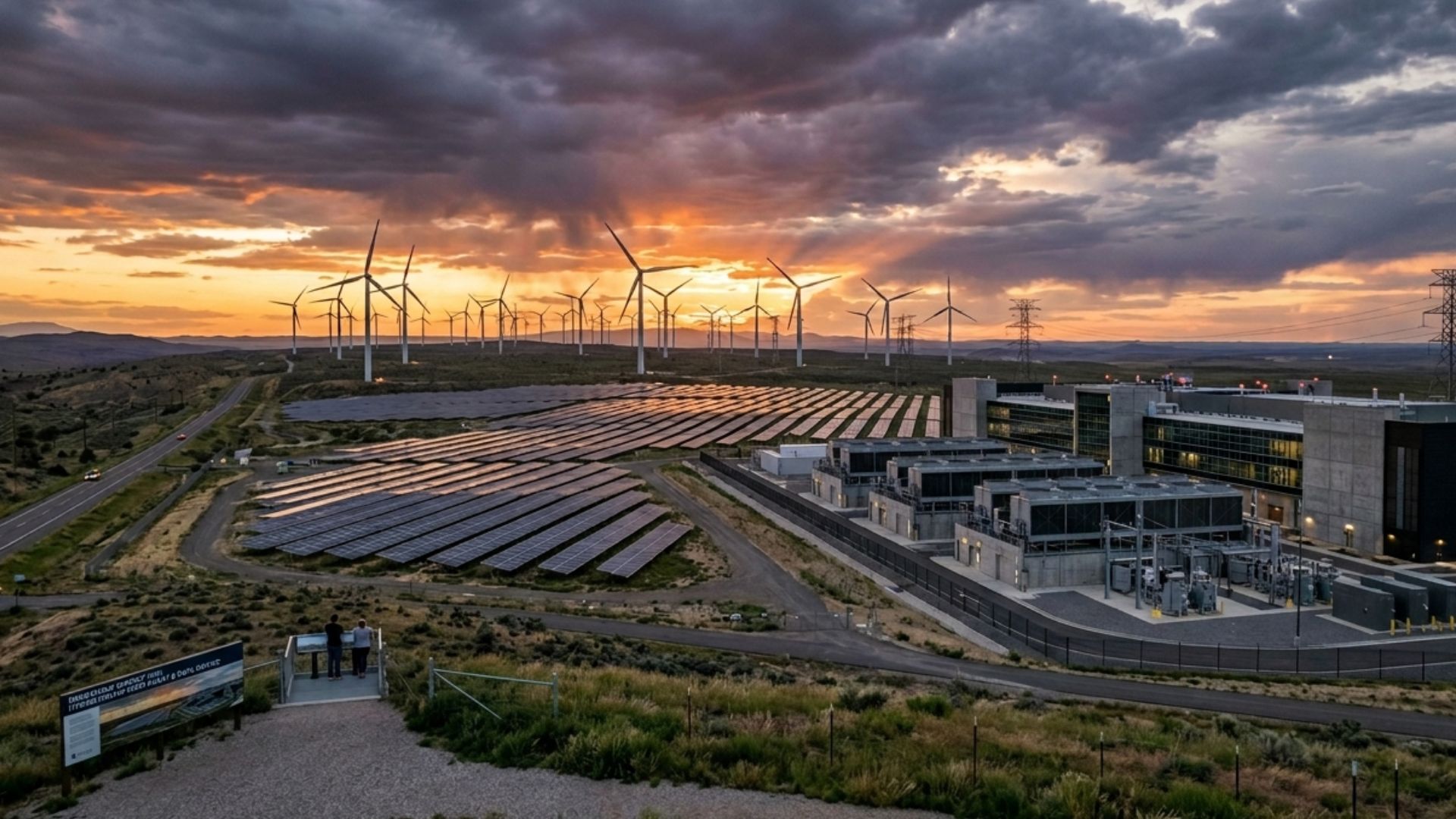
How the IEA Opens Doors to New Technologies and Energy Innovation
The participation of Brazil in the IEA significantly expands access to new technologies. This includes everything from equipment for marine energy capture to advanced grid integration systems.
These innovations are essential to make ocean energy more efficient and economically viable. Furthermore, they allow Brazil to reduce the time needed to develop its own solutions by leveraging established experiences from other countries.
Among the main benefits of this access, the following stand out:
- Transfer of specialized technical knowledge
- Participation in collaborative international projects
- Acceleration of national scientific research
- Cost reduction in technological development
This technological advancement also strengthens the renewable energy sector, making it more competitive and attractive for investments.

Attraction of Investments and Direct Impact on the Brazilian Economy
The entry of Brazil into the IEA also has a strong economic impact. Ocean energy projects require substantial investments, especially in the initial phases of research and implementation.
By integrating into an international network, the country increases its credibility and becomes more attractive to foreign investors interested in renewable energy. This movement can unlock new projects and drive sector growth.
Additionally, the development of ocean energy can generate a range of economic benefits:
- Creation of skilled jobs
- Stimulus to the national industry
- Development of local production chains
- Expansion of infrastructure in coastal regions
Access to new technologies also reduces risks for investors, making the environment safer and more predictable.
International cooperation strengthens Brazil’s role in renewable energy
International cooperation is one of the pillars of the IEA‘s actions. By joining the organization, Brazil expands its participation in global networks focused on ocean energy and renewable energy.
In practice, this means that the country begins to collaborate with governments, research centers, and companies from different parts of the world. This exchange of experiences is essential to accelerate the development of new technologies.
The Ocean Energy Systems program serves as an active cooperation platform, allowing:
- Sharing of data and technical studies
- Development of joint projects
- Creation of more efficient public policies
- Validation of technologies at a real scale
This collaborative environment strengthens Brazil’s positioning and expands its influence in global energy decisions.
Structural challenges to expand ocean energy in Brazil
Despite the opportunities, Brazil still faces significant challenges to consolidate ocean energy as a relevant part of the energy matrix.
One of the main points is the need for specific regulation. The country still lacks clear legal frameworks that encourage investments and ensure legal security for projects.
Another challenge lies in infrastructure. The implementation of ocean energy systems requires complex logistics, in addition to integration with the existing electrical grid.
It is also essential to increase funding for research and development of new technologies, ensuring competitiveness against other sources of renewable energy. Even with these barriers, participation in the IEA offers pathways for overcoming them by allowing access to successful international experiences.
Renewable energy and diversification of the Brazilian energy matrix
The Brazil already has an energy matrix with a strong presence of renewable energy, especially hydroelectric, wind, and solar. Ocean energy emerges as a complementary alternative, capable of increasing energy security.
One of the main advantages of this source is its predictability, especially in the case of tides. This allows for balancing energy generation during times of low production from other sources.
The integration of different sources strengthens the energy system and reduces dependence on fossil fuels. Furthermore, it contributes to meeting environmental and climate goals. The advancement of new technologies will be decisive in increasing the participation of ocean energy in this scenario.
What is at stake with Brazil’s new position in the global scenario
Brazil’s entry into the IEA goes beyond technical cooperation. It is a strategic repositioning in the global energy landscape. By investing in ocean energy, the country leverages its natural potential and aligns with international trends in renewable energy. Access to new technologies and attracting international capital create conditions for sustainable growth.
This movement also strengthens national institutions, such as the National Institute of Oceanic Research, responsible for representing the country in this process. The energy future of Brazil increasingly relies on innovation, international cooperation, and the ability to transform natural resources into economic development.