Portuguese
  Spanish


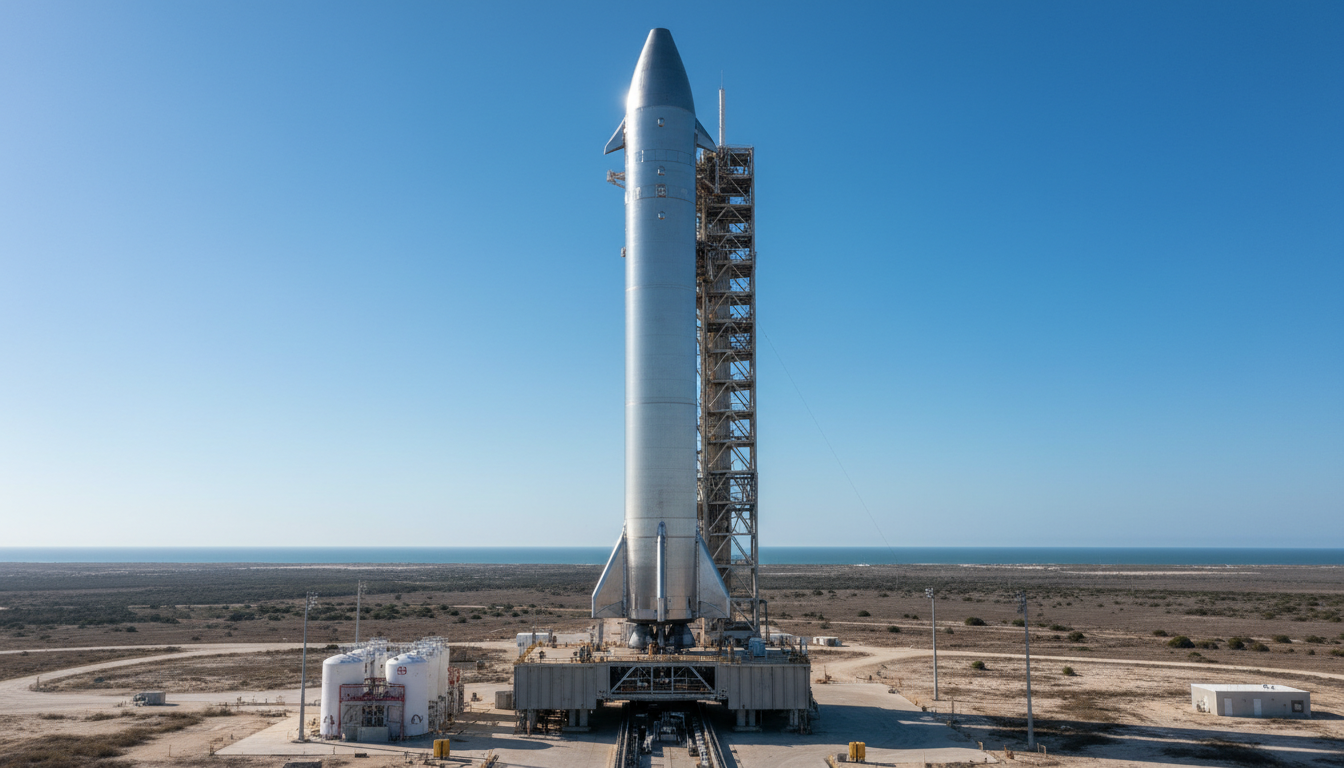

Eos Energy Enterprises announced the construction of the world’s largest zinc storage battery, with 1 GWh of capacity dedicated to artificial intelligence data centers in the United States.
According to a report by Interesting Engineering, the system uses safe aqueous zinc technology and eliminates the need for lithium.
Therefore, Eos Energy surpasses conventional lithium batteries in operational safety and paves the way for massive industrial-scale storage.
-
Scientists Convert Food Waste into Aviation Fuel, Successfully Test 50% Blend with Conventional Kerosene to Cut Emissions and Promote Sustainable Flights

-
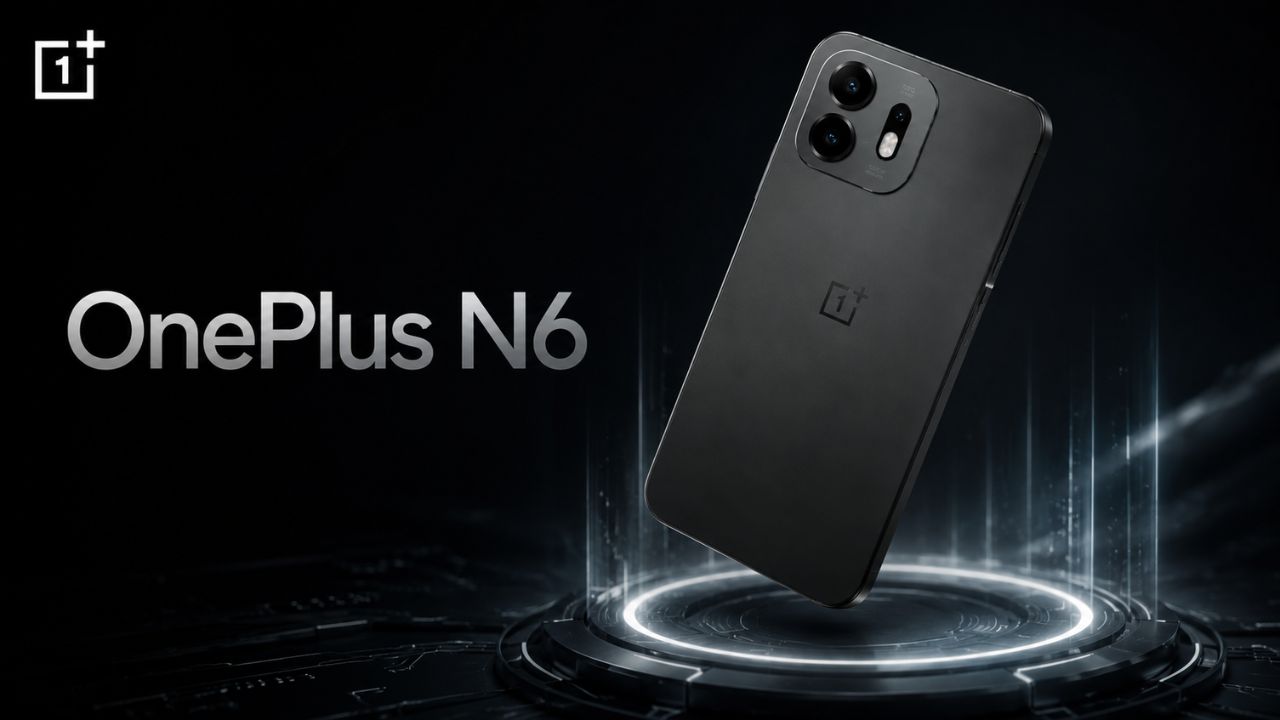
OnePlus N6 Smartphone to Launch in India with 8,000mAh Battery and 45W SuperVOOC Charging, Lasting Up to Three Days
-
Scientists Plan to Release Air Bubbles Underwater to Protect Antarctica’s “Doomsday Glacier” from Melting

-
Chinese R6000 Drone Combines Airplane and Helicopter Features, Carries Up to 12 People for Multiple Missions
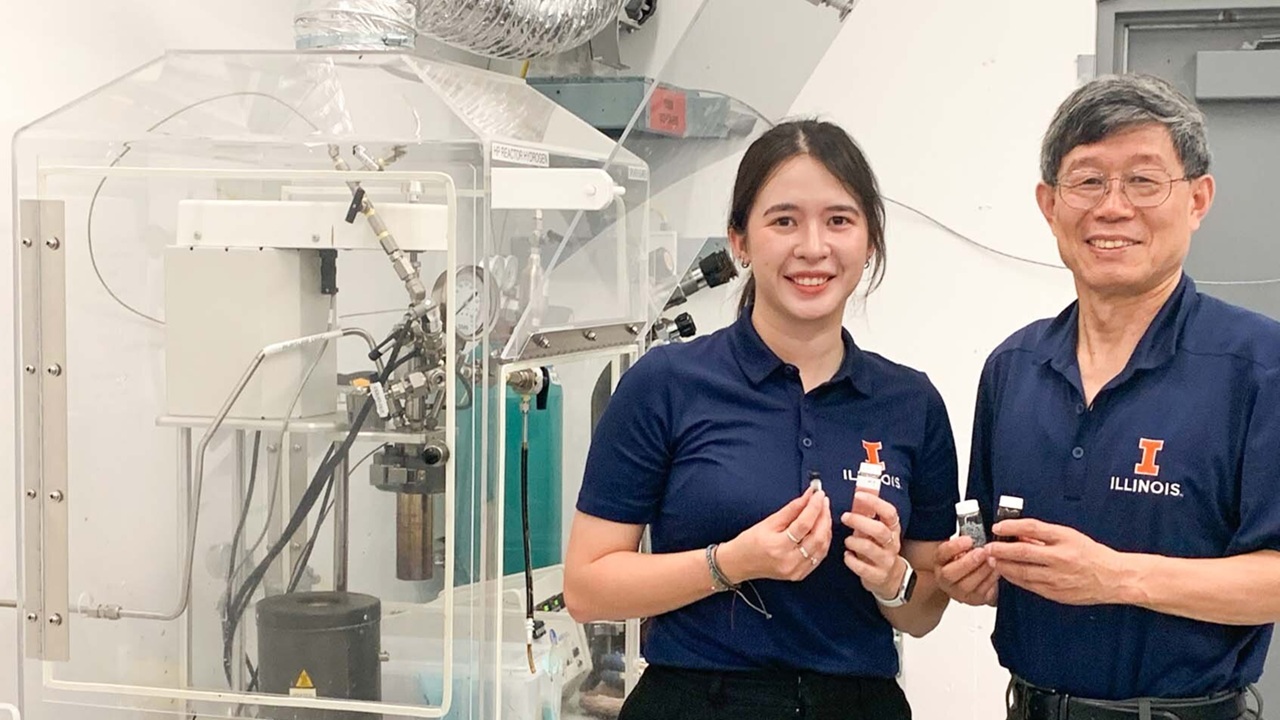



The battery is located in Mojave, California, and occupies an area of 12 hectares.
The total investment is $720 million, with financing from the United States Department of Energy via the Loan Programs Office.
According to Eos, the technology has a 25-year lifespan and supports 5,000 full charge and discharge cycles.
Joe Mastrangelo: the Italian CEO who changed the sector
Joe Mastrangelo, CEO of the American group since 2018, is an Italian mechanical engineer graduated from MIT.
Mastrangelo previously worked at General Electric Power Systems for 22 years.
According to the startup’s data, the company is headquartered in Edison, New Jersey, and was founded in 2008 by Steve Hellman and Mike Oster.
The manufacturer went public on Nasdaq in 2020 with the ticker EOSE and reached a market value of $1.8 billion in May 2026.
Therefore, the manufacturer became the biggest symbol of the lithium-to-zinc transition in the North American storage sector.
How Eos eliminates fire risk that lithium batteries maintain
The Eos Z3 aqueous zinc battery uses a zinc chloride-based aqueous electrolyte instead of the flammable organic electrolyte of lithium batteries.
According to the United States Department of Energy, the technology operates between 0°C and 50°C without the need for active cooling.
Therefore, it eliminates the need for thermal management BMS systems and occupies 40% less space per kWh stored.
The battery weighs 12 kg per kWh, compared to 7 kg per kWh for conventional lithium, according to Eos.

According to an analysis by MIT Technology Review, the levelized cost of storage (LCOS) drops from $187/MWh with lithium to $89/MWh with aqueous zinc.
Why Eos Energy targets AI data centers for massive storage
Artificial intelligence data centers consumed 5.2% of the United States’ electricity in 2025, according to the International Energy Agency (IEA).
According to the IEA, consumption is expected to double to 10.5% by 2030 with the expansion of models like GPT-7 and Gemini Ultra.
Therefore, operators like Microsoft, Google, Amazon, and Meta are investing in dedicated storage to meet peak demand.
The Eos battery will serve 3 Microsoft data centers in Phoenix, Arizona, and Reno, Nevada, according to a contract announced in February 2026.
According to Microsoft, the contract is worth $1.2 billion and covers supply between 2026 and 2031.
The DOE released $398 million in guarantees for Eos Energy
The Loan Programs Office of the United States Department of Energy approved a federal guarantee of $398 million for the American group in January 2026.
According to the DOE, the federal guarantee reduces Eos’s capital cost by 4 percentage points per year.
Therefore, the company can finance the construction of the Mojave battery at 6.2% per year instead of the typical 10.2% of the private market.
Energy Secretary Jennifer Granholm personally announced the approval at a press conference in Washington.

How the company competes with Tesla Megapack and CATL Tener
The energy storage market for data centers has three main competitors: Tesla Megapack, CATL Tener, and Eos Z3.
The Tesla Megapack uses lithium iron phosphate (LFP) and reaches 3.9 MWh per unit.
According to Tesla, the Megapack has a cost of $1,250/kWh installed and occupies 4.6 m² per unit.
- Eos Z3 (USA): aqueous zinc, 1 GWh in Mojave, $89/MWh LCOS
- Tesla Megapack (USA): LFP, 3.9 MWh/unit, $1,250/kWh
- CATL Tener (China): LFP, 6.25 MWh/unit, $950/kWh
- Form Energy (USA): iron-air, 100 h discharge, $20/kWh promised
- Highview Power (UK): liquid air, 250 MWh, long duration
According to BloombergNEF, the global battery storage market reached $92 billion in 2025.
For comparison with other energy technologies, see coverage on orbital data centers and the Tengeh solar park in Singapore.
Why Eos bets on zinc costing $2.80 per kg
Zinc is the fourth most abundant metal in the Earth’s crust, with global reserves estimated at 230 million tons by the United States Geological Survey.
The price of zinc is $2.80/kg in May 2026, according to the London Metal Exchange.
According to Eos, each Z3 battery uses 240 kg of zinc per MWh stored, resulting in a raw material cost of $672 per MWh.
Therefore, zinc offers a 65% cost advantage over lithium carbonate, which is $9.80/kg in 2026.
Additionally, Brazil produces 195,000 tons of zinc per year, according to the National Mining Agency, with the main mine in Vazante-MG operated by Nexa Resources.
According to Nexa, the Vazante Mine exports zinc to the United States, Mexico, and Argentina and supplies battery and steel galvanization industries.
Phoenix, Reno, Houston, and Atlanta: the company’s next 4 batteries by 2028
The company plans to build 4 more 1 GWh batteries in 4 American states by 2028.
The next installations will be in Phoenix (Arizona), Reno (Nevada), Houston (Texas), and Atlanta (Georgia).
According to Mastrangelo, the total investment for the 5 sites amounts to $3.5 billion over 4 years.
Therefore, Eos will grow from $60 million in annual revenue (2025) to a projected $1.4 billion in 2030.

The construction of Eos in Mojave is expected to be completed in December 2027.
However, environmentalists warn that zinc extraction needs to be monitored to prevent water contamination in American mines.
Nevertheless, according to the company, 96% of the zinc used in the batteries is recyclable at the end of its lifespan, compared to only 5% of lithium in conventional batteries.