






 Portuguese
  Spanish
  3 min of reading
  0 comments


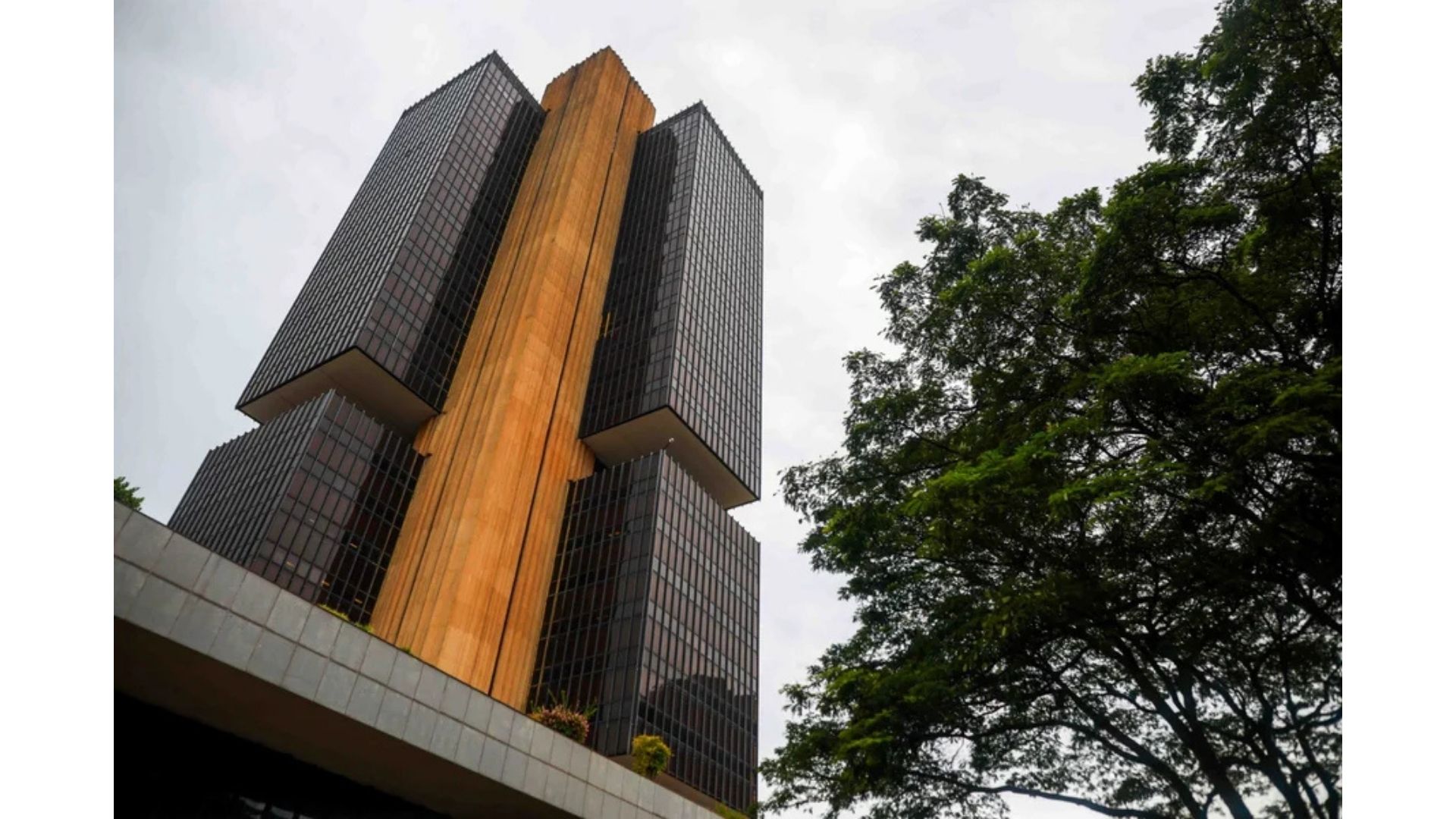
Increase in remittances of multinationals and decline in trade surplus explain the historic deficit in Brazilian foreign finances.
Brazil recorded a negative balance of US$ 68.8 billion in its current transactions during the year 2025, the largest external accounts deficit in 11 years.
The result, released by the Central Bank, demonstrates a significant deterioration in the exchange of goods and services with the rest of the world, representing 2.98% of Gross Domestic Product (GDP). This scenario is primarily driven by the increase in remittances of profits and dividends from foreign companies and the reduction in the trade balance surplus.
Factors that drove the negative balance
The main pressure on Brazilian external accounts came from the primary income account, which includes interest payments and the remittance of profits to the headquarters of multinationals abroad. In 2025, this account recorded a deficit of US$ 81.1 billion, a significant increase compared to the previous year.
-
The urgent need to implement a severe cut in public spending and a massive increase in taxes, in addition to drastically compromising the quality of basic services and the purchasing power of the population, could result in social unrest in the country, with the population leading protests, strikes, and frequent disturbances.

-
FIRJAN’s mega plan of R$ 526.3 billion for Rio de Janeiro aims to revive Brazil’s largest industry, with two-thirds of the investments going to oil and gas.

-
China signals an increase in beef imports, Brazil has already consumed 70% of the 1.106 million ton quota and seeks to renegotiate the tariff that jumps from 12% to 55%, while demand from the US also skyrockets.
-
Food inflation rose 302% in 20 years in Brazil, but the supermarket changed: purchasing power yielded 87% more mortadella and 31% less fruit, and ultra-processed foods took over the cart.

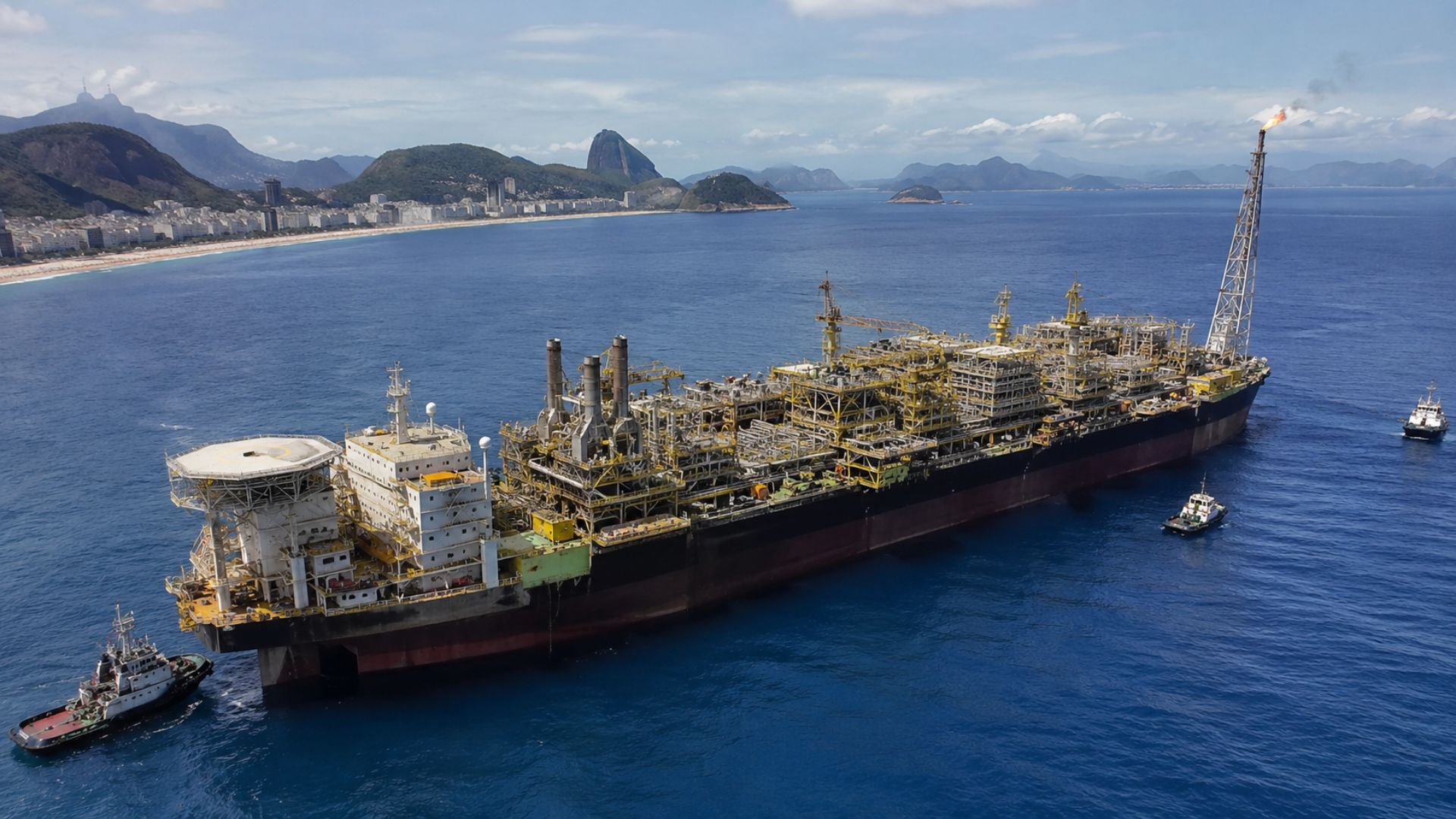


This movement reflects both the higher profitability of foreign companies operating in national territory and the impact of global interest rates, which raised the cost of financing Brazil’s external debt.
Another determining factor for the largest external accounts deficit in 11 years was the contraction in the performance of commodity exports, whose prices fell in the international market. While external sales lost momentum, imports continued at a rapid pace, driven by domestic consumption and the need for industrial inputs. This imbalance reduced the trade surplus, which traditionally acts as a safety cushion to offset spending on services and income.
Expenses with services and international travel
The services sector also contributed to the deficit result, accumulating a negative balance of US$ 42.4 billion in the last year.
Brazilian spending abroad on international travel surged to US$ 16.5 billion, highlighting a vigorous recovery of tourism after periods of stagnation. Additionally, expenses with transportation, especially maritime freight, remained high, putting pressure on logistical costs for Brazilian companies that rely on foreign goods.
Despite the largest external accounts deficit in 11 years, the flow of Foreign Direct Investment (FDI) in the country acted as a buffer for the national accounts. Brazil received US$ 72.1 billion in productive investments aimed at the long-term sector, a value sufficient to finance the deficit in current transactions.
However, experts point out that excessive reliance on external capital to close the financial balance requires constant attention to the country’s economic stability conditions.
International reserves and financial prospects
The maintenance of international reserves at robust levels, above US$ 350 billion, ensures Brazil a solid position against external volatility.
The Central Bank highlights that, although the largest external accounts deficit in 11 years is a relevant figure, the country’s financing structure remains healthy due to the profile of capital inflows. Most of the resources entering the country are directed towards infrastructure projects and industrial expansion, rather than merely speculative investments.
The government monitors the evolution of these accounts for 2026, projecting a stabilization in the prices of agricultural and mineral exports. The gradual reduction of interest rates in major economies may ease the pressure on primary income in the coming months, reducing the cost of debt servicing.
However, the balance of the external sector will continue to depend on the country’s ability to attract new productive investments and diversify its export portfolio to avoid new records of deficits in current transactions.
With information from Metropoles


Be the first to react!