Portuguese
  Spanish


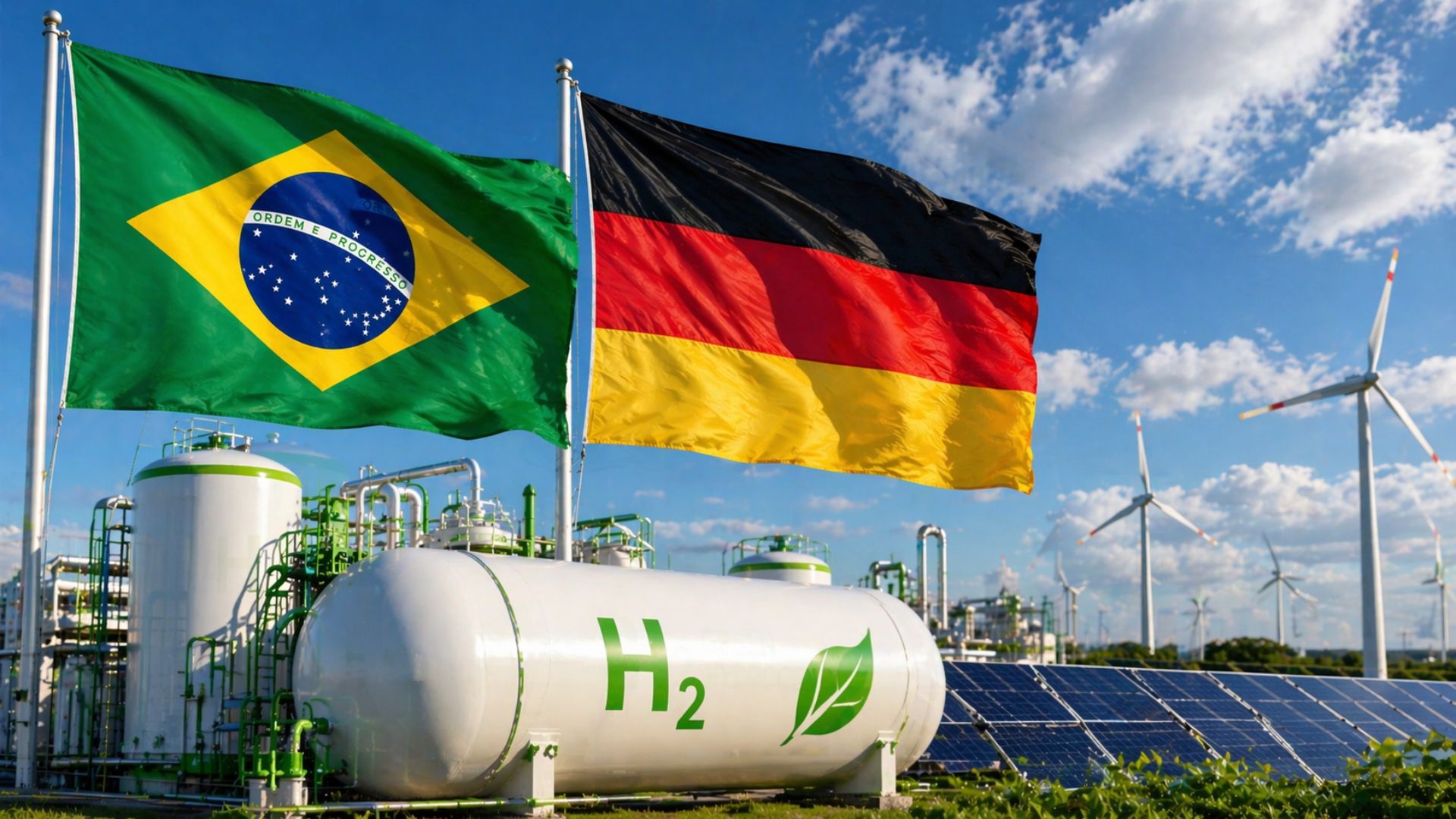

Brazil and Germany advance in green hydrogen production with a project in the Northeast that uses renewable energy, expands exports, generates jobs, and strengthens sustainable industry in the global scenario.
The Brazil strengthens partnership with Germany by announcing a billion-dollar investment in green hydrogen in the Northeast, consolidating a strategic movement that unites economic development, energy innovation, and international prominence.
The project, revealed during the Hannover Messe fair, plans the creation of an industrial complex in Rio Grande do Norte focused on the production of low-carbon fuels for export and internal use.
With an estimated investment of 2 billion euros (about R$ 12 billion), the initiative positions the Northeast as a region of great potential for the production of green hydrogen. At the same time, it reinforces Brazil’s role as a global supplier of clean energy and expands technological and industrial cooperation with Germany.
-
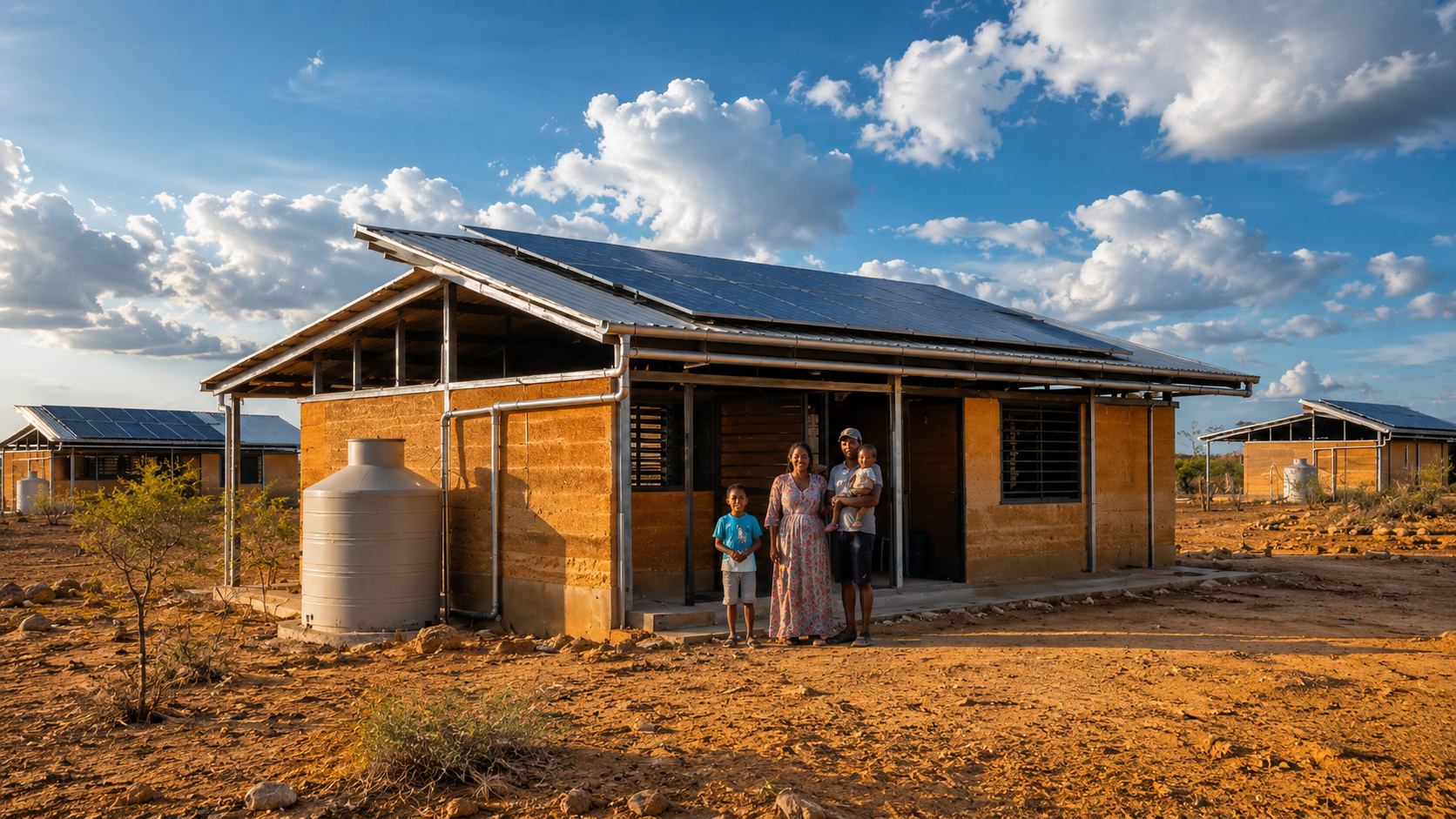
In Colombia’s desert, 30 families receive 80 m² homes with solar panels, waterless toilets, and rainwater collection systems amid water and energy shortages.

-
Engie Secures 10-Year Use of 625 MWh in Batteries to Store Excess Solar and Wind Energy in Spain by 2028
-
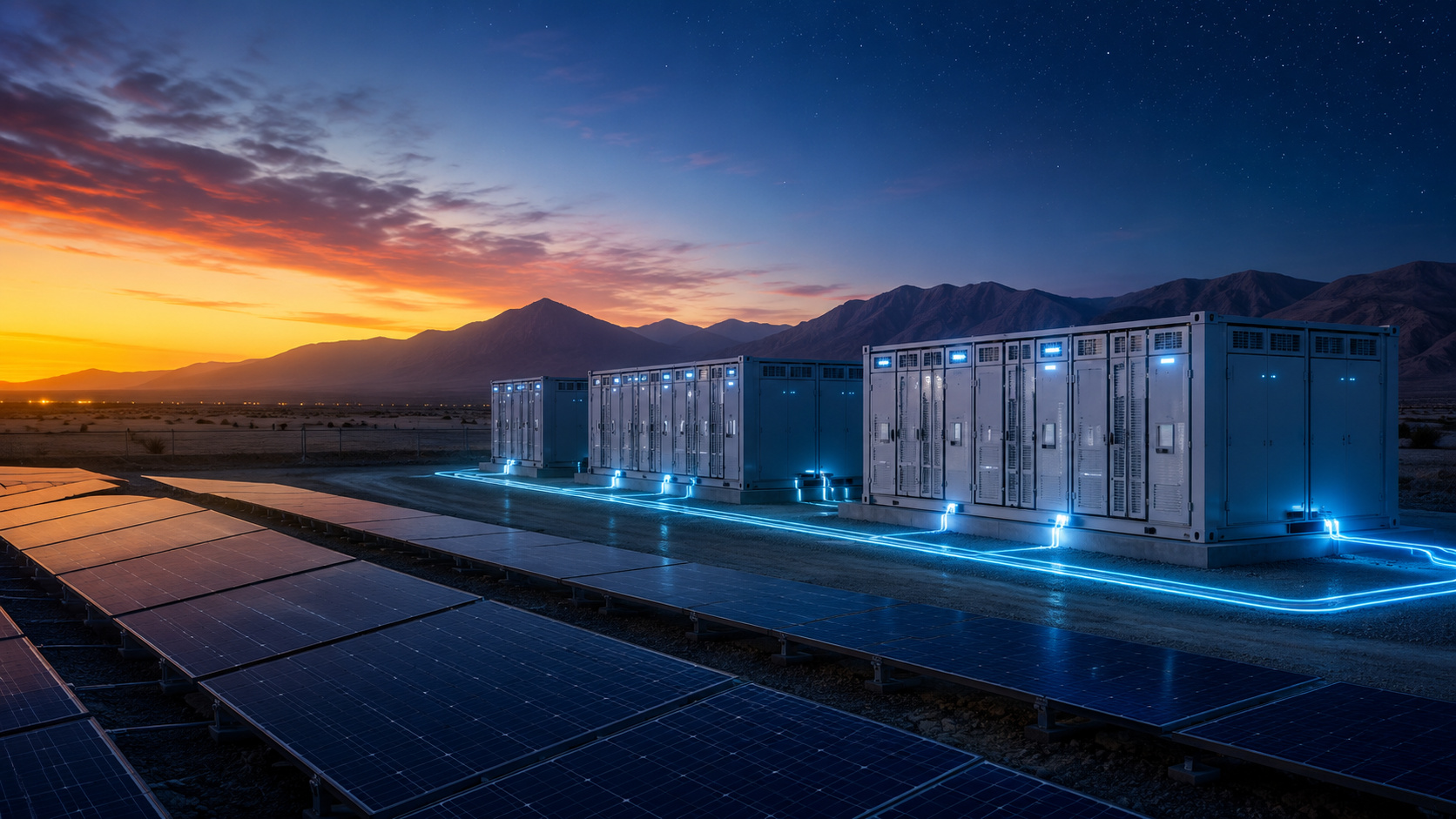
Giant Batteries Take Center Stage in Chile Auction as Company Offers 960 GWh of Solar Energy for Nighttime Use, Aiming to Stabilize Solar Power Supply
-
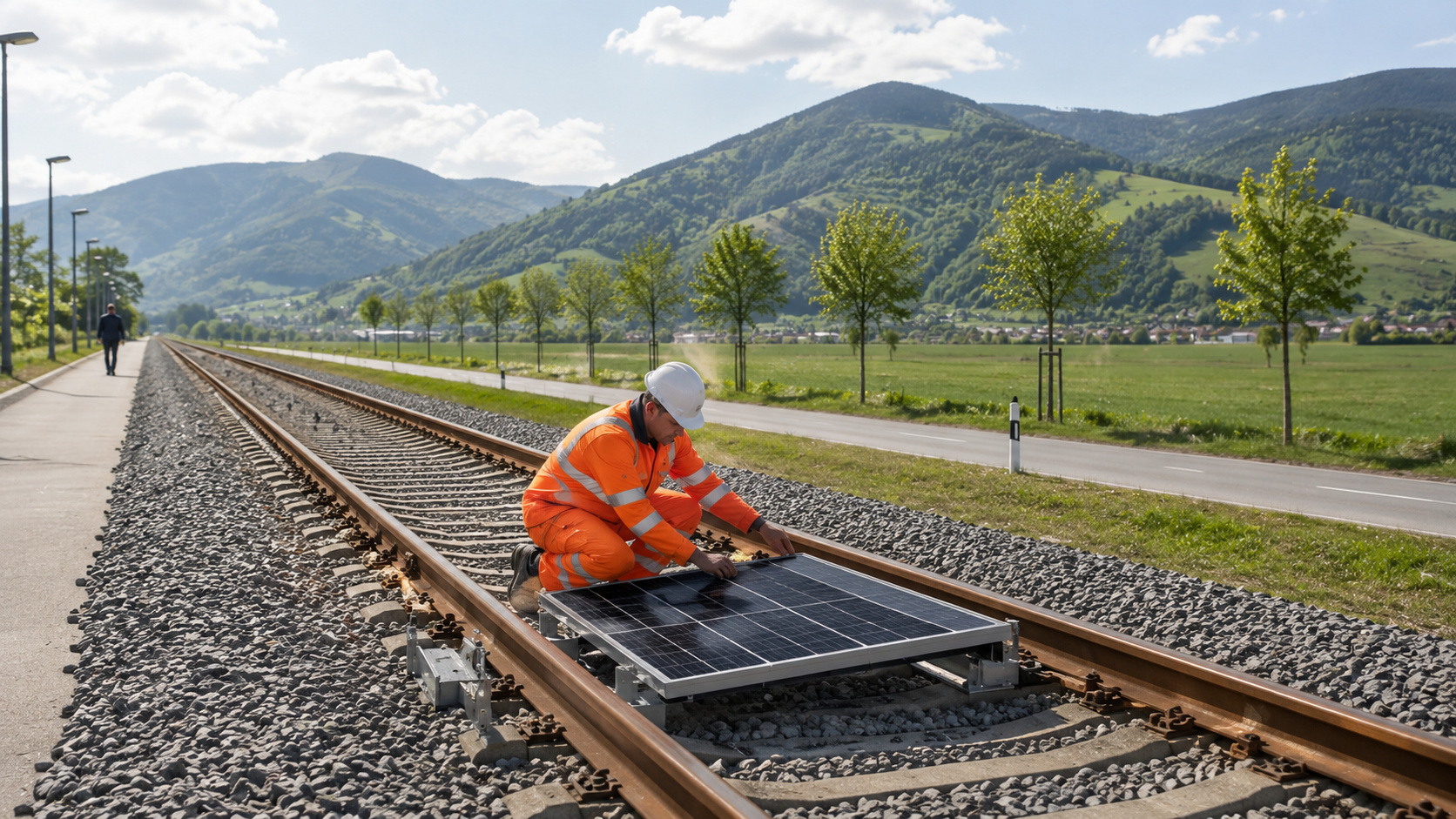
After a Year of Success in Switzerland, Solar Railway Attracts Italy’s Interest for Clean Energy Transformation

Partnership between Brazil and Germany accelerates billion-dollar investment in green hydrogen
The relationship between Brazil and Germany enters a new phase with this billion-dollar investment, which involves strategic companies and direct support from the German government. The project, named Morro Pintado, will be installed in Areia Branca, on the coast of Rio Grande do Norte, about 280 kilometers from Natal, within the Mossoró region.
Companies such as Brazil Green Energy, Green Investors, Thyssenkrupp Uhde, Siemens, and Andritz are participating in the initiative. ApexBrasil played a significant role in coordinating the international announcement, highlighting the actions of its president, Laudemir Muller, who has advocated for the expansion of clean energy exports.
The proposal goes beyond energy production. It creates a concrete bridge between European industrial innovation and Brazil’s natural potential, with green hydrogen at the center of this strategy.
Northeast gains energy prominence with large-scale structuring project
The Northeast brings together unique characteristics that favor large-scale renewable energy production. The combination of constant winds and high solar incidence allows for continuous generation of clean energy, an essential element for enabling green hydrogen.
The project anticipates an installed capacity of approximately 1,400 MW, integrating wind and solar energy. This energy volume will be used to produce about 80 thousand tons annually of low-carbon hydrogen, consolidating the region as a strategic hub.
This scenario strengthens Brazil, which begins to transform its natural potential into a real competitive advantage. By directing a billion-dollar investment to the Northeast, the country stimulates regional economic growth and reduces historical inequalities.


How the billion-dollar investment drives energy innovation and new fuels
The impact of the billion-dollar investment goes beyond electricity generation. The industrial complex was designed to produce a complete chain of sustainable fuels, with green hydrogen as the base.
Among the main products anticipated are:
- Green ammonia, widely used as an agricultural fertilizer
- Low-carbon methanol, with industrial and energy applications
- Green urea, planned for a future phase of the project
In total, the expectation is to reach about 438 thousand tons annually of derivatives, expanding the economic reach of the initiative.
This integrated model strengthens Brazil as a global supplier of sustainable inputs, while Germany benefits from access to clean sources to meet its climate goals. The partnership creates a complementary and strategic relationship between the two countries.

Green hydrogen in the Northeast strengthens industry and competitiveness of Brazil
The production of green hydrogen in the Northeast opens new possibilities for the national industry. Energy-intensive sectors, such as steelmaking, heavy transport, and the chemical industry, will be able to benefit directly from this advancement.
With the billion-dollar investment, Brazil begins to structure a production chain based on clean energy, with the potential to:
- Reduce operational costs in the long term
- Attract new industries to the Northeast
- Increase competitiveness in the international market
- Decrease carbon emissions in industrial processes
The presence of Germany in the project also facilitates the transfer of technology and knowledge, accelerating the development of the sector in the country.
Direct economic impacts in the Northeast with job and income generation
The Northeast will be directly impacted by the advancement of green hydrogen, especially in job creation and strengthening the local economy. Projects of this scale require labor at various stages, from construction to continuous operation.
In addition to direct jobs, there is a multiplier effect that benefits sectors such as logistics, services, and commerce. The billion-dollar investment also stimulates improvements in infrastructure, such as transport and energy.
For Brazil, this represents an opportunity for more balanced growth among regions. For Germany, the project reinforces energy security by ensuring access to sustainably produced large-scale sources.

What is green hydrogen and why has it become strategic for Brazil and Germany
The green hydrogen is produced from the electrolysis of water using renewable energy, such as solar and wind. This process does not generate carbon emissions, making it essential in the global energy transition.
In the context of Brazil, especially in the Northeast, the fuel allows for the utilization of surplus clean energy. Meanwhile, Germany, with less availability of natural resources, seeks partnerships to import this type of energy.
This alignment explains the growth of billion-dollar investment in green hydrogen projects, which are considered fundamental to reducing dependence on fossil fuels.
Infrastructure and export put the Northeast on the global green hydrogen map
One of the project’s differentiators is the construction of a port terminal dedicated to export. This allows Brazil to meet the growing international demand for clean fuels, especially in Europe.
The Northeast, due to its strategic location, facilitates the flow of production. Proximity to international maritime routes reduces logistical costs and increases competitiveness.
Germany emerges as one of the main destinations for this green hydrogen, reinforcing the importance of the partnership. The billion-dollar investment in infrastructure ensures efficiency and scale, essential elements to consolidate the country in this market.
A new chapter for the Northeast and Brazil’s role in global clean energy
The advancement of green hydrogen in the Northeast marks a structural transformation in the economy of Brazil. With support from Germany, the country not only expands its energy capacity but also redefines its role in the international scenario.
The billion-dollar investment of 2 billion euros (R$ 12 billion) demonstrates confidence in Brazil’s potential and the economic viability of clean energy. More than an isolated project, it is a movement that can attract new initiatives and consolidate a new cycle of development.
By integrating innovation, sustainability, and international cooperation, Brazil positions itself as a protagonist in the energy transition. And the Northeast, previously seen only as an energy consumer, is now recognized as a strategic supplier of solutions for the world.
With information from EXAME.