Portuguese
  Spanish


The Lithium Triangle of the Americas — Argentina, Chile, and Bolivia — holds more than 56% of the world’s known reserves of this mineral that will fuel the electric vehicle revolution, and while Santiago and Buenos Aires rush to sign contracts with Asian, European, and American automakers, Brazil sits on the fifth-largest lithium reserve on the planet and has yet to industrialize even a single ton of lithium carbonate on a competitive commercial scale.
What’s happening in the triangle while Brazil watches
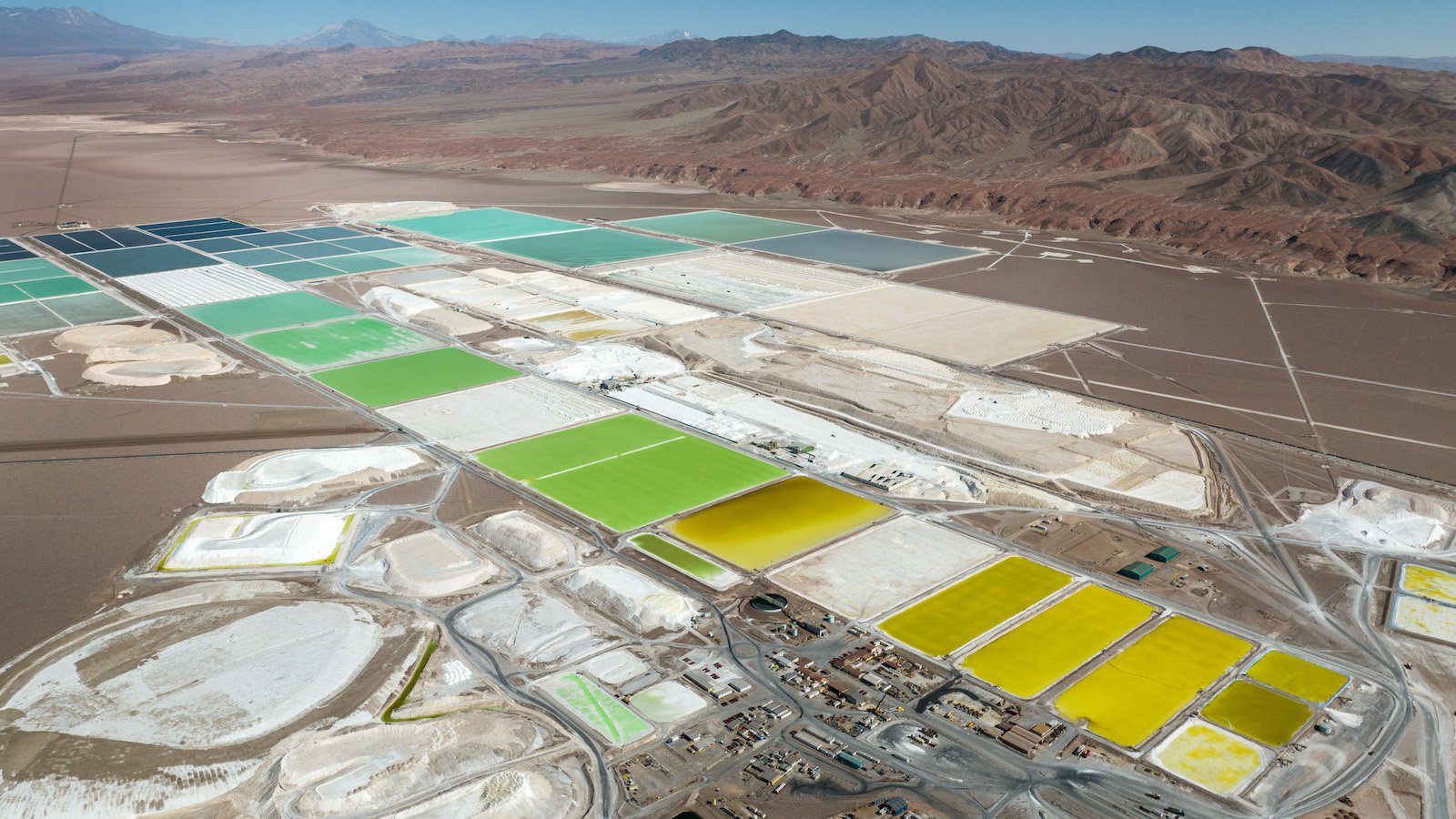
The Salar de Atacama in Chile is the most productive lithium mine in the world. The Salar de Hombre Muerto in Argentina is rapidly expanding after Rio Tinto purchased Rincon Lithium’s operation for 800 million dollars. The Salar de Uyuni in Bolivia, still underutilized due to Bolivian public policy that restricts foreign participation, is beginning to open up to joint ventures. Together, the three can supply more than two-thirds of the global lithium demand projected for 2030.
Argentina has been particularly aggressive. The Milei government deregulated the mining sector in 2024, simplified the approval of environmental licenses, and created a special tax regime for lithium extraction projects. In 2025, Argentina approved more new lithium projects than in the previous twenty years combined. Companies like Posco, Ganfeng, Eramet, and Albemarle are building or planning extraction plants in the north of the country.
Chile, on the other hand, has adopted a more state-controlled approach: the state-owned Codelco will operate the exploration of the Salar de Atacama in partnership with private entities, maintaining sovereignty over the resource. It’s the “nation owner of lithium” model — different from Argentina, which has opened more to foreign private capital.
-
China Reclaims Supercomputer Crown with LineShine, Surpassing US’s El Capitan by 20% Without GPUs, Despite High Energy Consumption

-
Injured Amazon River Dolphin Rescued by Local Community and Real-Life “Aquaman” in Brazil’s Tocantins River

-
Spanish Startup Develops Europe’s Densest Solid-State Battery at 402 Wh/kg
-
Telescope Launched 80 Billion km from Earth Could Use the Sun as a Giant Lens to Magnify Exoplanets, Potentially Revealing Continents, Oceans, and Signs of Life



What Brazil has — and what it still doesn’t do with it
Brazil’s lithium reserves are mainly in Minas Gerais, in pegmatites — granite rocks rich in lithium minerals like spodumene, lepidolite, and petalite. The municipality of Araçuaí, in the Jequitinhonha Valley, has one of the largest concentrations of hard rock lithium in the world.
Sigma Lithium — a Canadian company with operations in Grota do Cirilo, Araçuaí — is the only semi-industrial scale lithium producer in Brazil today. It produces spodumene concentrate, which needs to be processed in another country to become lithium carbonate or hydroxide — the products that batteries actually need. Brazil has no operational lithium refinery on an industrial scale. It exports ore, imports the processed product.
The Brazilian Metallurgy and Mining Company — CBMM — which dominates the global niobium market with over 80% market share is the model of what Brazil could do with lithium: refine within the country, sell high-value products, capture more of the value chain. But niobium took decades to get there.
Why rock lithium is different from brine lithium
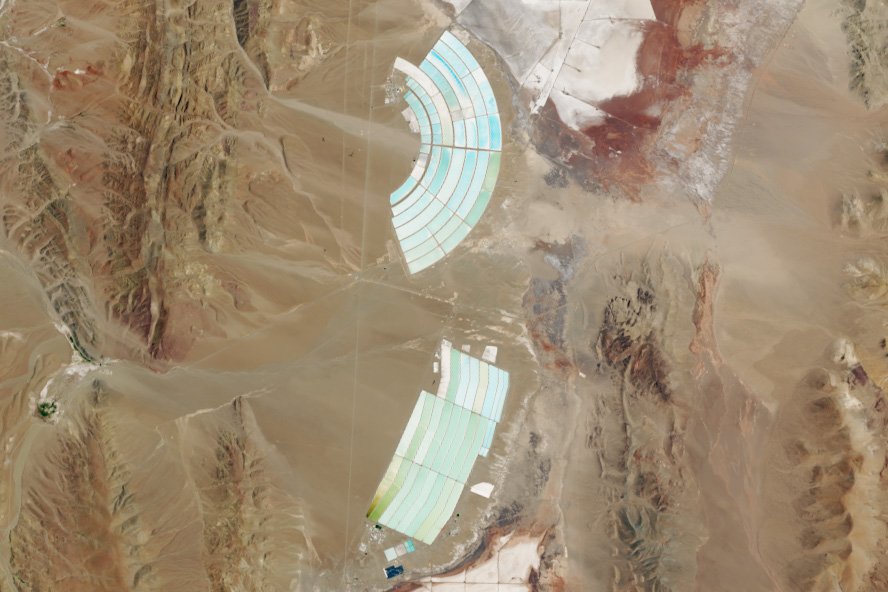
Argentine and Chilean lithium comes from brine — underground water supersaturated with lithium, pumped from salt flats and evaporated in the sun. It’s a cheaper process but dependent on specific climate (intense sun, altitude, very little rain) and generates controversy over water use in arid regions. Brazilian lithium comes from hard rock — spodumene that needs to be mined, crushed, floated, and calcined before becoming a product.
The rock process is more expensive per ton but has some advantages: more predictable, independent of climate, lower water impact, and the final product — high-purity lithium hydroxide — is preferred by high-performance NMC batteries, like those used in premium vehicles. For the solid-state market that Basquevolt and Toyota are developing, high-purity lithium hydroxide will be essential.
What Brazil needs to do and hasn’t done yet
The race for lithium won’t wait. The processing capacities that are built now, in the next five years, will determine who captures value for decades. Brazil needs lithium refineries installed on national territory — whether with state capital, national private capital, or direct foreign investment.
The good news is that interest exists: CATL, the world’s largest battery manufacturer, has signaled interest in installing a gigafactory in Brazil to supply the Brazilian electric vehicle market and export to Latin America. If this happens with integration of the national lithium chain — and not just importing processed product — it’s a leap of two generations in the industrialization of the sector.
The question is whether Brazil will negotiate this with strategic intelligence or let the urgency of the foreign investor dictate the terms of the negotiation.
Read also: the lithium-sulfur battery factory that doesn’t want to depend on China | the robots that took over the deepest mine in the world.
Do you think Brazil will manage to industrialize lithium in time to participate in the EV race, or will it continue exporting raw ore while Argentina and Chile deliver finished products? Comment here.