






 Portuguese
  Spanish


Brics Instant Payment System Advances in Final Testing, Promises to Reduce International Costs and Create an Alternative to the Dollar, with Launch Expected in 2025. The Model is Inspired by Pix and Bets on Digital Interoperability.
Brics Pay, nicknamed “Brics Pix”, has entered the final stretch before launch. According to Revista Exame, in an article published this Thursday (15), the service is in advanced testing phases with partners and the public debut is scheduled for the end of September 2025.
The proposal is to allow instant transfers between the member countries, with lower costs and risks, replacing traditional messaging with a decentralized model.
Launch and Testing of Brics Pay
According to Exame, the pilots are taking place in a controlled environment to assess stability, security, and user experience before large-scale expansion.
-
At 14 years old, she worked in a factory in Hong Kong, studied economics abroad, and then entered the Chinese real estate market, which helped change the landscape of Beijing.

-
While NATO secured more than $10 billion in missiles and space surveillance at a single forum, Brazil still spends 1.1% of its GDP on defense and is stalling its own anti-aircraft system.

-
Corn ethanol attracts R$ 23 billion in 21 new plants and prepares for a nearly 50% jump in Brazilian production by 2027, even with high interest rates.
-
A newly opened terminal in the middle of the Amazon has begun transporting soy and corn through Amapá, eyeing the queue of ships that is congesting the ports in the South.


The design encompasses everything from travel payments to operations between exporting companies, which can reduce friction in small and medium-sized international transactions.
“The feedback from these initial phases has been very encouraging, and we are still on schedule,” said executive Andrey Mikhailishin.
There are still infrastructure adjustments underway, but the expectation is to launch a functional core and, from there, expand geographic coverage and use cases.
The service is designed to complement, not replace, existing arrangements in the Brics countries.
How the Brics Pay Technology Works
Brics Pay was designed to operate with a Decentralized Cross-border Messaging System (DCMS), a messaging system based on a distributed network inspired by blockchain.
Instead of a central entity like SWIFT, the validation of messages occurs at nodes within the network.
The proposal prioritizes settlement in local currencies and integration with national and commercial systems already in operation.
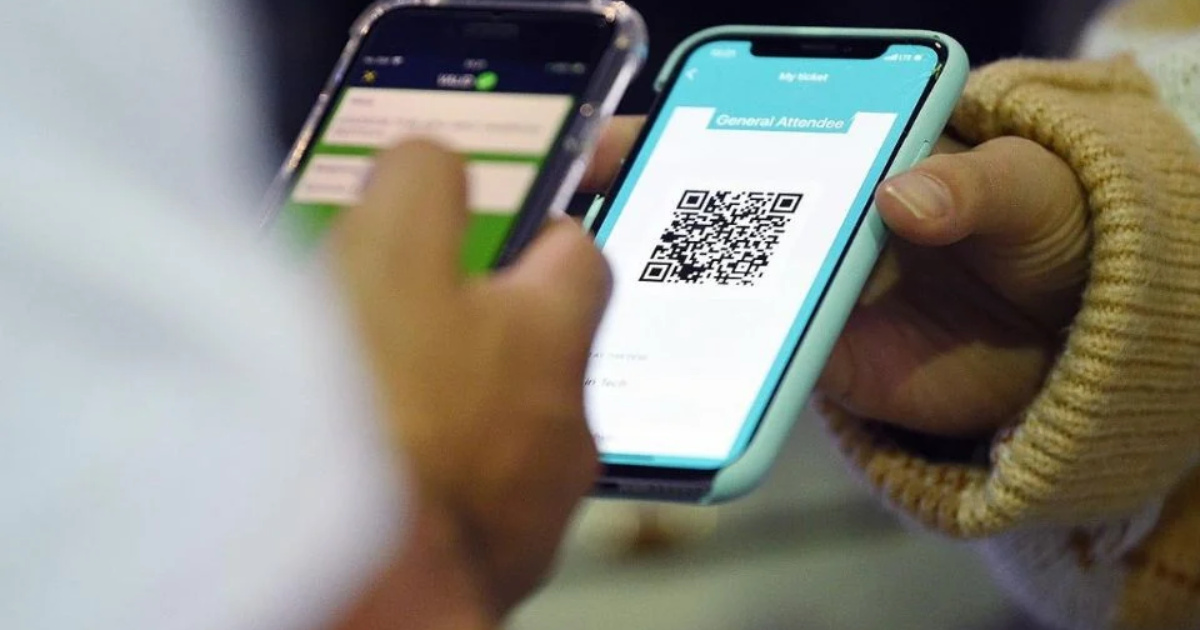
Access will be made through digital wallets in mobile apps, with payments via QR Code.
In this design, participants adjust routes and conversion parameters transparently, reducing parallel infrastructures and reconciliation costs.
Although inspired by distributed technologies, the goal is to interoperate with existing systems.
IOF, Exchange Rates, and Transaction Costs
Experts believe that direct conversion between local currencies tends to shorten steps and expenses.
For Professor Maurício Godoi (Saint Paul Business School), one advantage of the arrangement is avoiding the incidence of “two IOFs” in international payment operations, as it does not go through the dollar as an intermediary.
“In the transaction through this instant payment method, direct conversion occurs between two local currencies, such as real to yuan,” he said.
According to him, this reduces currency exposure and speeds up commercial transactions. The tax impact will depend on the regulatory design and how each country will frame the operation.
Still, the elimination of intermediary steps tends to decrease processing times and fees in international small-value operations.
Dependence on the Dollar and U.S. Investigations
Brics Pay is also seen as an attempt to reduce dependence on the dollar in transactions within the bloc. The White House is monitoring the situation.
The U.S. government, through the USTR, opened a trade investigation in July 2025 that mentions Pix among elements in the Brazilian digital ecosystem that could affect American companies.
Even so, Professor João Ricardo Costa Filho (FGV) assesses that the hegemony of the dollar rests on three pillars: payment systems, the depth of the financial system, and the store of value function.
According to him, Brics Pay relates only to the first. “Alone, it is still not enough to create an asset that competes with the American currency,” he said.
According to Exame, immediate effects may appear in financial inclusion and digital access, especially in regions poorly served by traditional means. In this context, global card companies may feel more competitive pressure than the dollar itself.
Timeline of Brics Pay
The idea of Brics Pay was presented in 2018, focusing on facilitating expenses for travelers and expatriates.
In 2021, a task force was established for the development of the common service. In 2022, testing began in different formats.
In 2024, fundamental principles were agreed upon and tests of retail started. The progress appears in the reports of the BRICS Business Council, which brings together national chapters and approves work recommendations.
In retail, BRICS Pay QR is described as a bridge between international, national, and commercial systems.
Access will be through digital wallets in smartphones, with payments in local currencies. The architecture seeks interoperability and scalability to cover everyday cross-border transactions.
Integration with Pix Expected in 2025
The group’s planning includes interoperability with Pix. According to Mikhailishin, there is a “cautious optimism” that, by the end of 2025, it will be possible to announce a Brics Pay–Pix gateway.
In practice, Brazilians could use Pix abroad via QR Code.
Foreign visitors, in turn, could pay in Brazil using instruments from their countries, with conversion done through the Brics Pay platform.
This design can reduce friction in tourism and low-ticket commerce. Local regulations and the role of banks and fintechs will be crucial for initial adoption.
Expectations for September 2025
The public version expected for September 2025 should prioritize use cases with the greatest technical and regulatory readiness.
Expansion will be gradual, in waves, as the infrastructure matures. The gain will come from connecting existing national systems, standardizing messages, and reducing intermediaries.
The true test will be ensuring low latency, security, and compliance across multiple jurisdictions.
Considering the announced timeframe, which sector is expected to be the first to present practical impacts with Brics Pay: tourism, retail trade, or operations between exporting companies?






Estamos assistindo a queda do império dos EUA. Momento histórico.
Crescer como a política brasileira só tem **** desde presidente até os presidente de bairro. Pode fazer a mudança que quiser.eles só pensa em roubar
Avante BRICS PAY. Precisamos ser independentes dos EUA e UE.