






 Portuguese
  Spanish
  3 min of reading
  0 comments


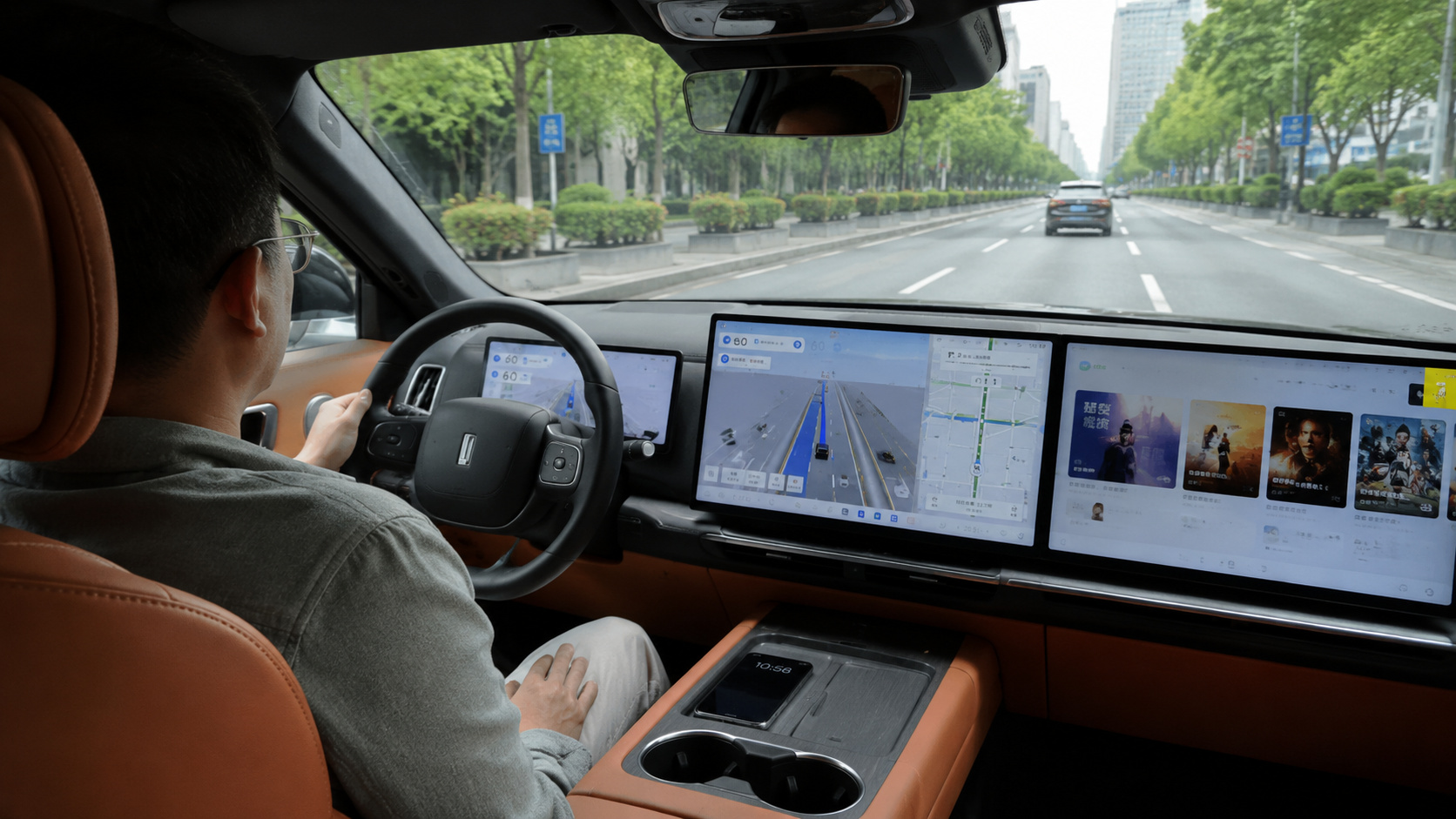
g1 test in Baoding shows how NOA combines detailed maps, sensors, mobile internet, and LiDAR to drive Chinese cars on urban roads
China still does not allow the widespread circulation of fully autonomous cars, as occurs in some regions of the United States.
Chinese automakers, nevertheless, are rapidly advancing in urban semi-autonomous driving systems, as per a test conducted by g1 during the Beijing Auto Show.
The test took place in Baoding, a city located about 180 kilometers from Beijing.
-
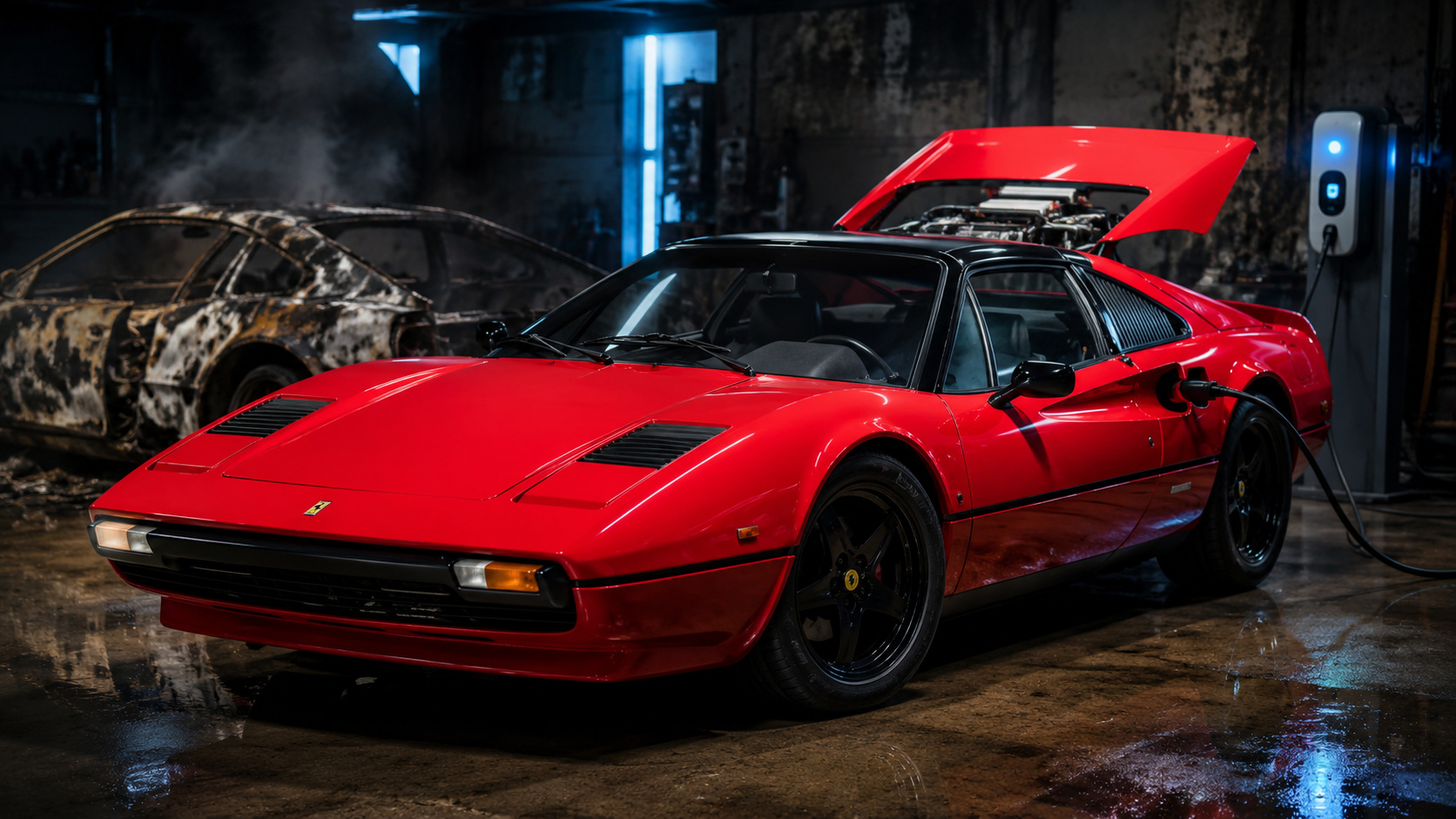
A burned Ferrari seemed destined for scrap, until a company removed the V8 engine, installed three electric motors, and transformed the old sports car into the 308 GTE with a 47 kWh battery.

-
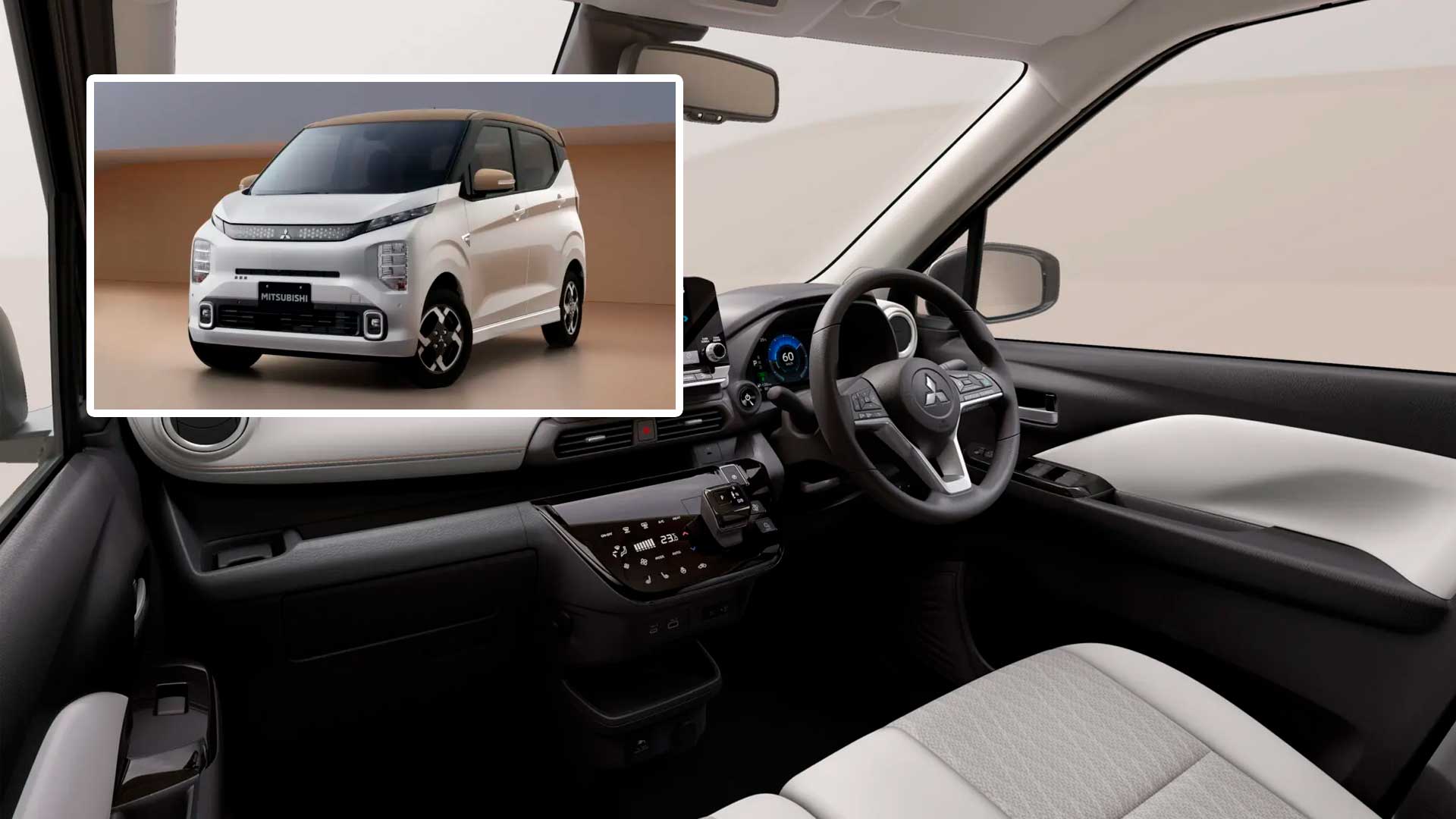
Smaller than a Kwid and priced at around R$ 60,000, the Mitsubishi eK Cross EV features a 1,500 W outlet, 180 km range, and becomes a sort of power bank on wheels in Japan.

-
Move Brasil promises car financing without a down payment for app drivers and taxi drivers.

-
BYD offers 950 km of range in a seven-seater electric SUV, charges the price of a mid-sized SUV in Brazil, and increases pressure on premium rivals in China.

The system called NOA, an acronym in English for “navigation on autopilot”, demonstrated during the route how Chinese cars already perform maneuvers on their own.
The driver, however, still needed to remain attentive, with hands on the wheel and ready to take control.
NOA technology shows Chinese advancement on the streets
The NOA technology is already being tested in cities like Beijing, Shanghai, Shenzhen, and Wuhan.
According to g1, the feature allows the car to follow urban routes, change lanes, activate turn signals, reduce speed, and analyze obstacles.
The driver’s seat cannot be empty, as happens in Waymo vehicles used as autonomous taxis in the United States.
The driver kept their face forward during the test.
Internal sensors also monitored their attention to avoid distractions.
Detailed maps and sensors increase precision
The operation of NOA relies on a broader technical combination.
Among the resources used are 4G or 5G mobile internet, GPS maps via the Chinese system Beidou, radars, and LiDAR sensors.
The multimedia center displayed the route, traffic lights, pedestrian crossings, and possible infractions recorded by fixed radars.
The screen also showed a three-dimensional representation of the road.
Cars, trucks, buses, bicycles, motorcycles, and pedestrians appeared around the vehicle with a high level of detail.
Car changes lanes and avoids obstacles
The car decided on its own when it should change lanes during the journey.
At another moment, the system also avoided a fallen bicycle on the street.
Later, the NOA slowed down upon identifying a motorcycle crossing the road, even without a green light for it.
The system also dealt with an overtaking between trucks that were avoiding cones on the road.
These reactions demonstrated the feature’s ability to interpret complex urban situations.

U-turn exposes system limit
The NOA showed difficulty in a U-turn, despite the overall good performance.
The car began the turn but lost precision when dealing with faster vehicles in the opposite lane.
The driver took the wheel at that moment and completed the maneuver.
The test, therefore, showed that the system still requires constant human supervision.
At the end of the route, the NOA also initiated a right turn, but the driver took control to complete the maneuver.

NOA combines more information than Autopilot
According to the g1 test, the NOA gathers more layers of information than Tesla’s Autopilot.
The American system mainly uses artificial intelligence and cameras.
The NOA, on the other hand, also relies on detailed maps, constant internet, radars, and LiDAR.
This redundancy makes the system more complete, although it still depends on the driver’s attention.
The proposal also approaches Super Cruise, a technology by Chevrolet used in the United States and Canada.
In these countries, the feature is restricted to well-marked highways and expressways.
Green light alerts pedestrians and other drivers
Another detail observed at the Beijing Auto Show was a light green near the taillights of some cars.
When lit, it indicates that the semi-autonomous system is driving the vehicle.
There is not yet a national rule mandating this signal in China.
Manufacturers have started adopting the standard to alert pedestrians and other drivers.
The advancement of Chinese cars with semi-autonomous driving shows that this technology is already closer to urban routine.
The driver, however, remains indispensable to ensure safety and take control when necessary.
Will this technology completely transform the way people drive in cities in the coming years?







Be the first to react!