Portuguese
  Spanish


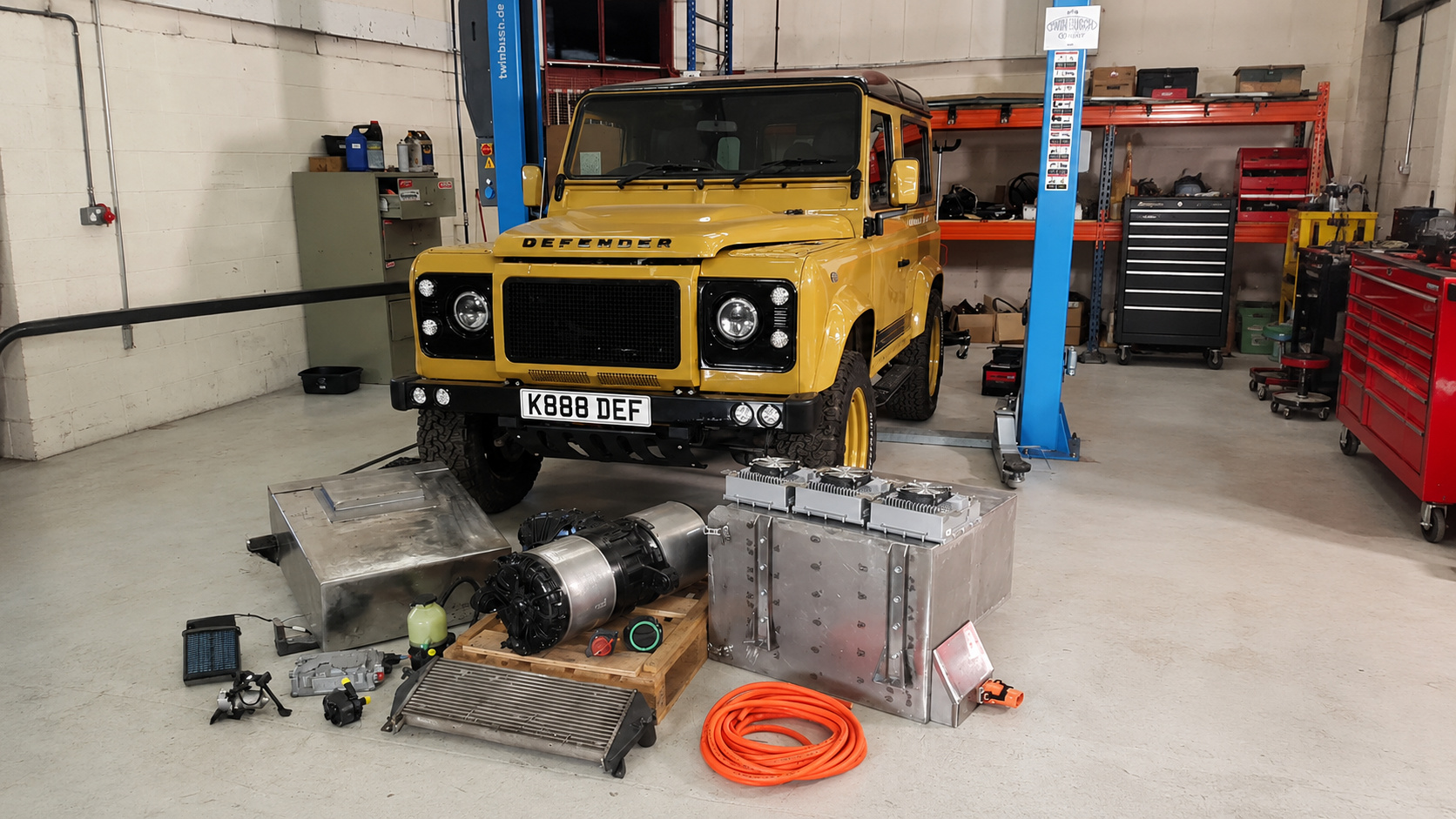

The British company BEDEO has created a system that removes the engine, gearbox, and driveshaft from a classic Land Rover Defender and installs electric motors.
The electrification of classic cars usually follows a known recipe: the combustion engine is removed, an electric motor is installed in the front compartment, and much of the original transmission continues to function. However, the British company BEDEO decided to completely abandon this concept and present a solution that practically reinvents the mechanical architecture of a classic car.
In April 2024, the company launched the Reborn Electric: Icons program, starting with a classic Land Rover Defender converted to a system consisting of four electric motors installed directly on the wheels. With this configuration, the vehicle eliminates components such as the combustion engine, gearbox, differentials, driveshaft, and half-shafts, maintaining almost the same external appearance but using a completely different architecture from the original.
According to BEDEO, this is the first commercial retrofit system for classic cars based on wheel-installed motors.
-
Chevrolet Onix Turbo AT 2020: Affordable Used Hatchback with Turbo Engine, Automatic Transmission, and Six Airbags

-
Rolls-Royce Turns Heads with 30-Inch Floating Wheels, 6.6-Liter V12 Engine, and 563 Horsepower
-
2019 Kia Sportage EX: A Spacious and Cost-Effective SUV with 2.0 Flex Engine and Panoramic Roof
-
Fiat Strada Becomes Top Seller in June, Surpassing Onix, Polo, Hilux, and T-Cross with 107 HP Engine and 732 km Range.


Four motors replace almost the entire transmission of the Defender
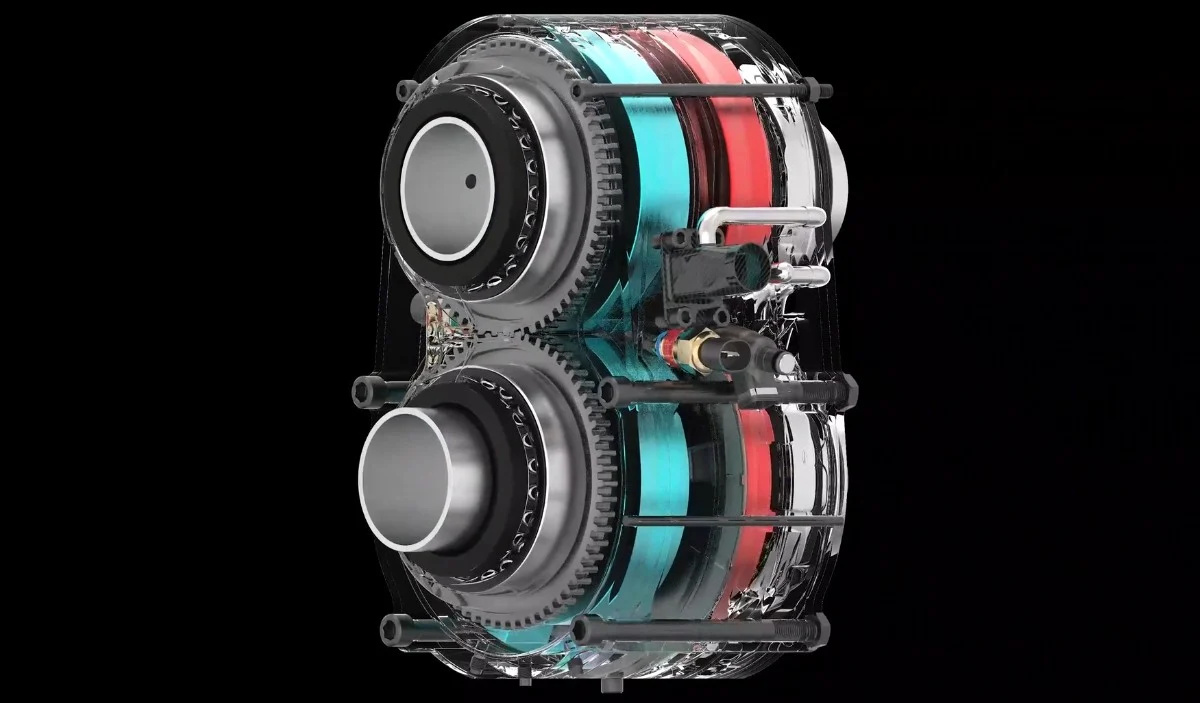
The project uses ProteanDrive technology, developed by Protean Electric, a company belonging to the BEDEO group.
Instead of concentrating all the power in a single electric motor, each wheel receives its own drive unit. Thus, torque is applied directly where the vehicle touches the ground, eliminating various traditional mechanical components responsible for transmitting engine power to the wheels.


In practice, elements such as the gearbox, driveshaft, differentials, and half-shafts cease to exist. The simplification of the transmission reduces the number of moving parts and frees up space within the chassis to accommodate batteries and other electrical systems.
Each wheel now controls its own power
Another consequence of this architecture is that each motor can be controlled independently. This allows the use of torque vectoring systems, a technology that automatically distributes power among the four wheels according to the need for grip in curves, uneven terrain, or low traction situations.
According to Protean Electric, this individual control improves stability, increases energy efficiency, and allows for much faster responses than conventional mechanical systems, as each wheel receives electronic commands in real time.
Power far exceeds that of the old Defenders
Although it retains practically the same body, the performance changes completely. The electric set delivers approximately 360 kW, equivalent to about 483 horsepower, a number much higher than the classic Defenders equipped with diesel or gasoline engines from the first generations.
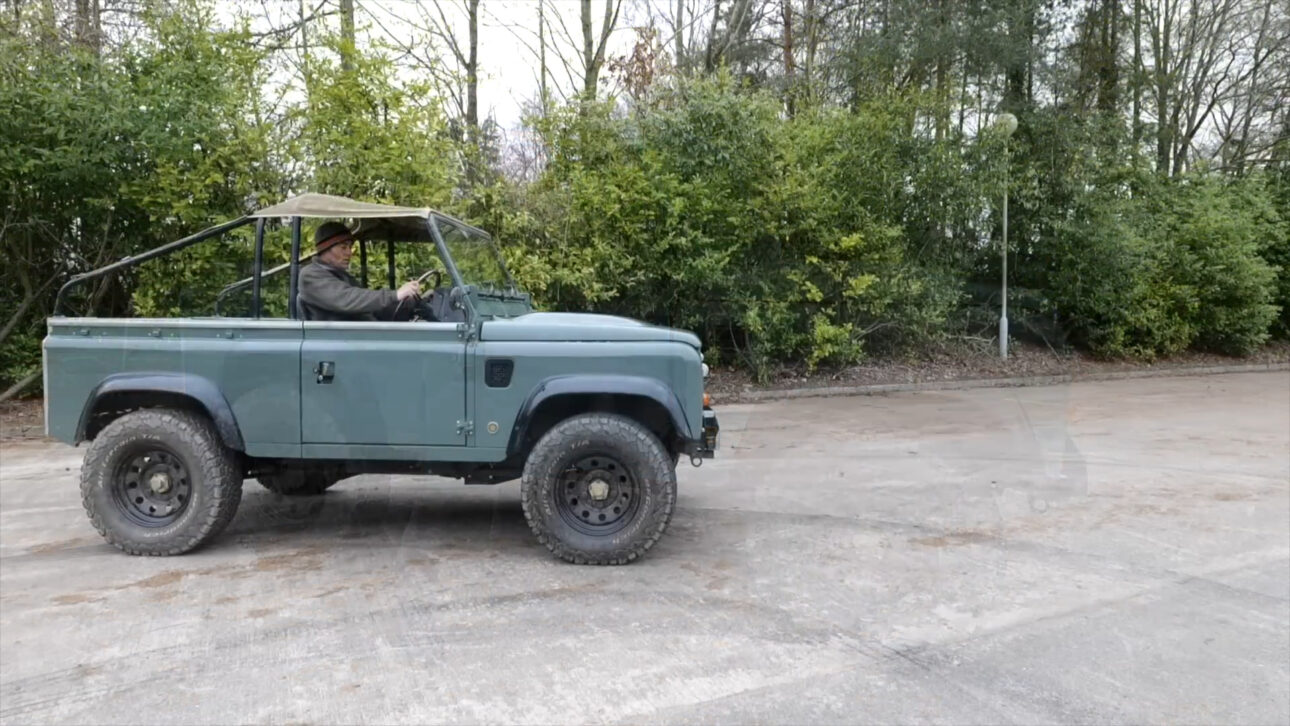
The power supply is provided by a 75 kWh battery, offering an estimated range of 247 kilometers according to the European WLTP cycle.
The onboard charger of 22 kW allows for a full charge in approximately five hours, while the optional fast charging of 50 kW reduces this time to about 90 minutes.
Engineering seeks to preserve the weight and original behavior of classic Defender models
Adding a large capacity battery usually significantly increases the weight of a vehicle.
To minimize this effect, BEDEO claims that the removal of the traditional mechanical set compensates for much of the mass added by the batteries. According to the company, the goal was to keep the total weight and mass distribution close to the original Defender, preserving its driving characteristics and off-road use.
The company also highlights that the absence of components like driveshaft and differentials frees up space under the vehicle, allowing for a more efficient integration of the new electric system.
Motors installed in the wheels have been tested for years
Motors installed inside the wheels have always sparked interest in the automotive industry for eliminating various mechanical components, but they also face significant challenges.
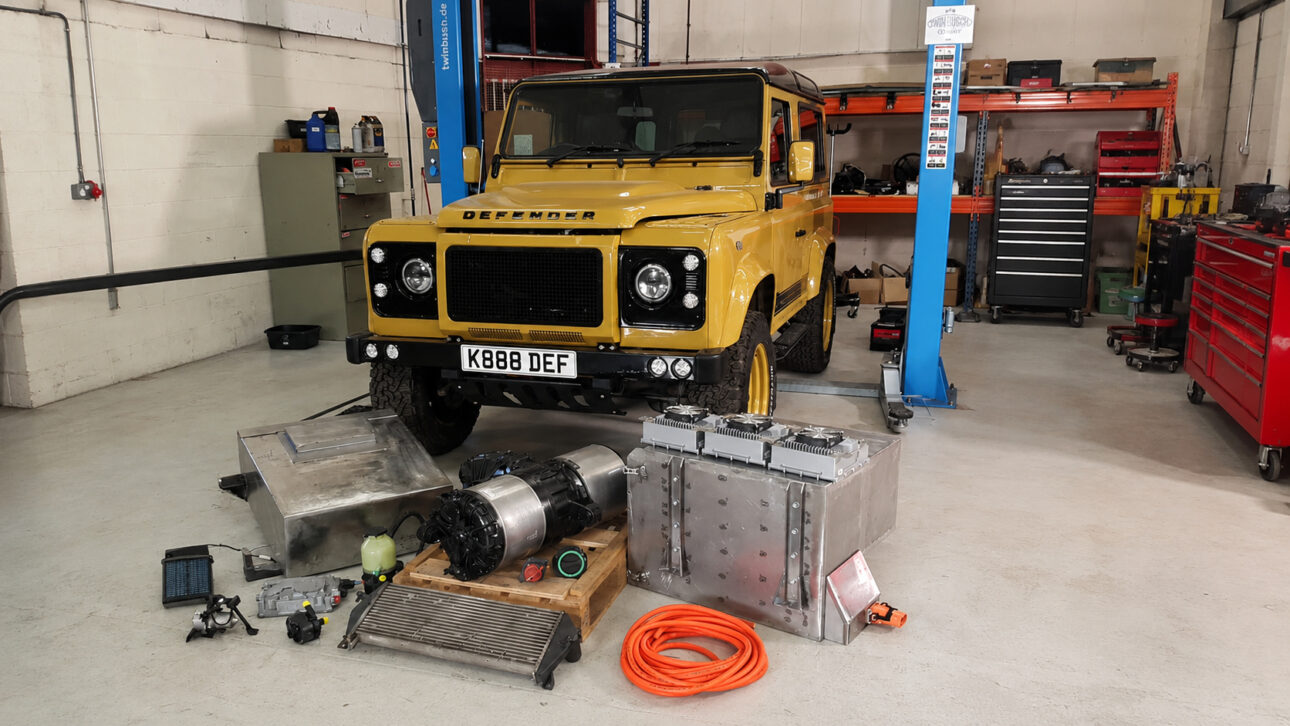
As they are directly exposed to vibrations, impacts, water, dust, and mud, these motors need to withstand much more severe conditions than conventional electric motors installed in the center of the vehicle.
According to BEDEO, the technology used in the Defender was developed over several years and has already accumulated more than 60 million kilometers of operation in different commercial applications since 2009.
The company also states that its motors underwent extensive validation programs before being applied to the Reborn Electric: Icons project.
The conversion maintains the classic appearance of the Defender
Externally, few changes reveal that the vehicle no longer uses a combustion engine. The body, fenders, hood design, and practically all the elements that made the Defender one of the most well-known utility vehicles in the world remain preserved.
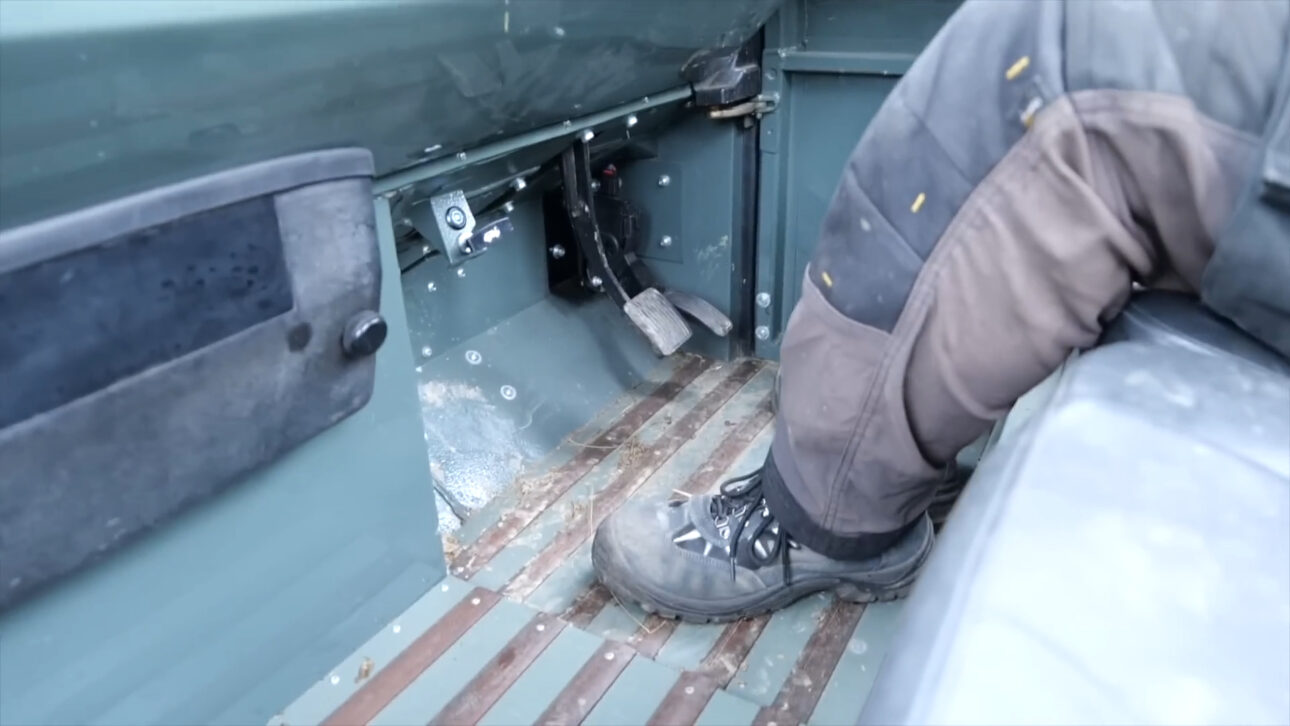
BEDEO’s strategy is precisely to allow owners to continue driving classic models without altering their visual identity, replacing only the mechanical set with a zero local emissions electric solution.
Project is expected to expand to other classic cars
The Defender was just the first vehicle chosen to inaugurate the Reborn Electric: Icons program. According to BEDEO, the technology could be adapted in the future for other classic automobiles, using the same architecture based on motors installed on the wheels.
In June 2025, the company announced a partnership with the restorer Monarch Defender to bring this technology to the North American market, expanding the offer of conversions for clients interested in preserving historical vehicles while adopting electric propulsion systems.