Portuguese
  Spanish


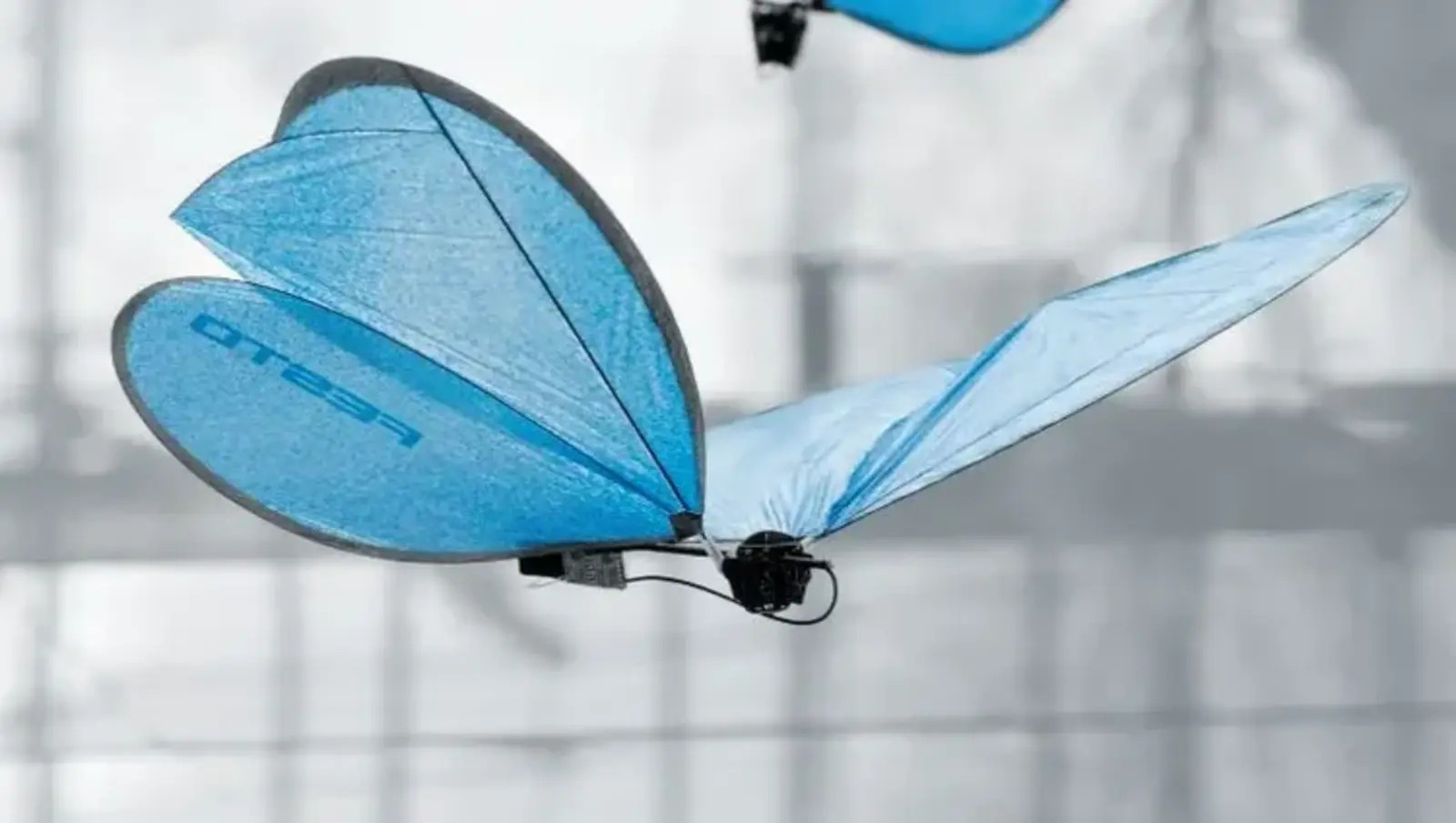

At Hannover Messe, drones that mimic butterflies and bees, a robotic snake, robot dogs, and sensors capable of inspecting 2,400 parts per minute show how industry is transforming nature, data, and automation
Giant butterflies and bees flew over a booth at Hannover Messe in Germany, but they weren’t real animals. They were bionic robots, drones created to reproduce nature’s movements at one of the main industrial events.
The scene also included a snake with red eyes at another booth and several robot dogs in the hallways. These models, more common in recent years, have a camera and sensors instead of a head.

Project was born in Germany
César Gaitán, CEO of Festo in South America, states that these animals are part of a broader project by the German multinational, which specializes in industrial automation. The initiative is part of a knowledge network created in Germany.
-
Pennsylvania Mine Creates Ice in Summer Heat and Melts in Winter, Turning a Mountain Crevice into a Reverse Natural Refrigerator

-
China Accelerates Global Expansion of Robotics: From Smart Vacuums to Industrial and Humanoid Machines, Millions Exported to Over 150 Markets
-
Polar Air Mass to Hit Brazil: Temperatures to Plummet in Nine States, Near Freezing in the South with Frost Risk Until Monday
-
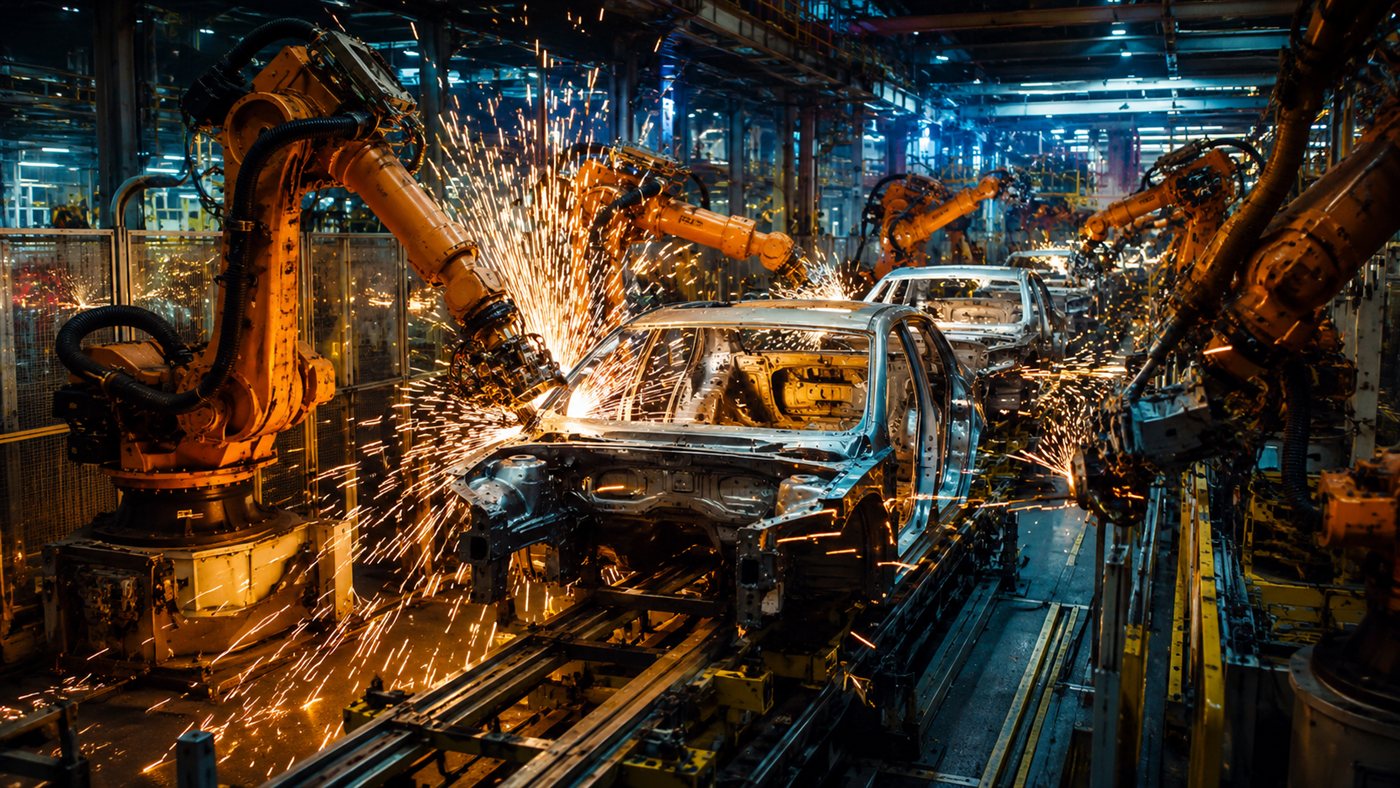
Chinese “dark factories” produce electric cars 24/7 with minimal human intervention, as Zeekr assembles 800 units daily, raising concerns in Brazil.




The Bionic Learning Network brings together Festo, universities, and research institutions to study and reproduce the functions of different animals.
The initial goal is to observe movements, energy expenditure, and natural ways of performing tasks.
Nature becomes a reference for automation
Gaitán states that the company seeks to learn how nature solves movement and energy consumption.
From this, it develops solutions that can be applied to industrial automation and product handling.
Among the examples cited are products with a structure inspired by a fish, used for manipulation.
The chameleon’s tongue also serves as a reference for a gripper capable of holding and moving items.
The repetition of natural functions helps develop a lot of technology. For Festo, the bionic robots show how forms known in nature can guide machines used in industrial environments.
Artificial intelligence accelerates robots
The advancement of artificial intelligence also accelerates this process. With more data for analysis, new systems can train and operate robots more efficiently, making tasks faster and more precise.
This combination enhances machine performance and reinforces the presence of bionic robots and other automated solutions in industrial spaces.
The fair shows how sensors, drones, and intelligent systems are advancing together.
Siemens sensor inspects 2,400 parts per minute
At the Siemens booth, a sensor can identify product defects at high speed. The solution inspects 40 parts per second, equivalent to 2,400 per minute, according to Davi Carbone, Head of Digital Enterprise.
Siemens’ technology was not inspired by animals. Still, the system’s speed indicates how industrial automation is advancing at a rapid pace, leaving direct comparisons with a hawk’s eye behind.
With information from Exame.