Portuguese
  Spanish




The Chinese EV Giant Is Growing At An Impressive Pace, Multiplying Its Production By 10 In Just Four Years
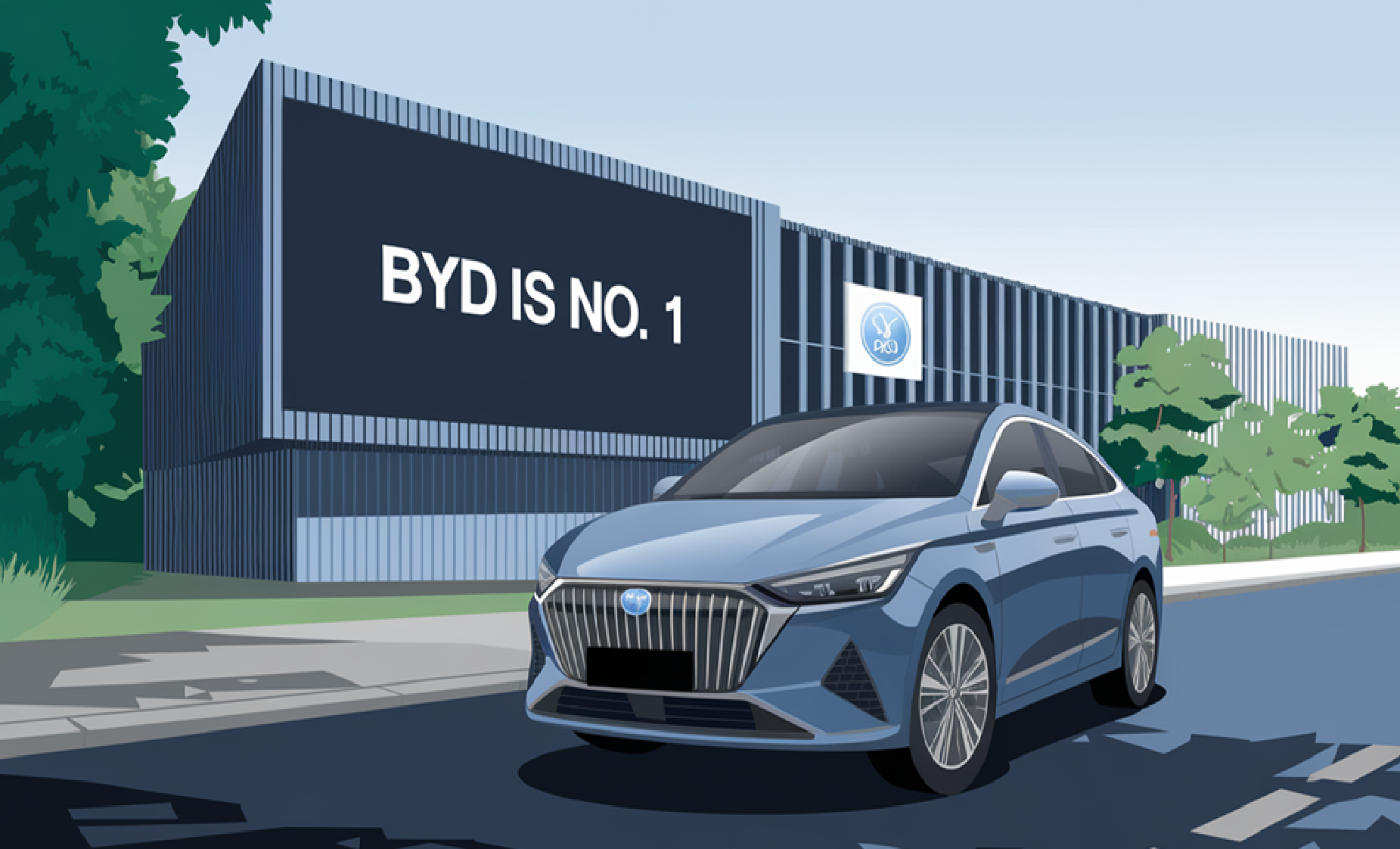
The Chinese giant BYD has achieved a historic feat: it has become the third most valuable company in the world, with a market value of US$ 105 billion. However, the company’s rapid growth has already raised alarms about its long-term sustainability, according to News Motor.
In the last four years, BYD has multiplied its production by ten, becoming a fixture in the automotive sector. The manufacturer sold 400,000 electric vehicles abroad in 2023 alone, with an ambitious target of 800,000 exports in 2024. Brazil has become one of its key markets, receiving 100,000 units last year.
But is this accelerated growth sustainable?
-
Brazilian Factory Restores Truck Engines and Parts, Reducing Raw Material Use by Up to 85% After 80 Years in Business

-
British Marines Set Record by Changing Ford Escort Engine in 42 Seconds, Unbroken for 40 Years

-
BYD Owners in Brazil Raise Concerns Over Warranty After 87,000 km, Two Repairs in Three Days, and Over $500 in Costs

-
Classic Volkswagen Beetles of Brazilian Presidents to Swap Museums in Historic Partnership


Geopolitics Could Halt BYD!
The success of BYD has not gone unnoticed by the United States and the European Union, which are already taking steps against the Chinese giant. The government of Joe Biden imposed 100% tariffs on Chinese electric vehicles, making it difficult for BYD to enter the American market. In addition, trade restrictions and the ban on Chinese technology on American soil put its global expansion in jeopardy.
In Europe, the situation is also complicated. The European Union is considering increasing tariffs against Chinese manufacturers, and Anfavea, in Brazil, accuses BYD of dumping – selling cars below cost to dominate the market.
BYD’s Secret: Innovation And Internal Production
One of the factors that contributed to BYD’s rise was its strategy of vertical integration: the company manufactures 80% of its vehicle components in-house, reducing costs by up to 25% compared to Western competitors.
Innovation is also a major asset for the manufacturer. The Blade lithium iron phosphate batteries, for example, are considered safer and more efficient, even attracting Tesla as a customer. Additionally, BYD boasts a team of 110,000 engineers and has registered 29,000 global patents, consolidating its position as a reference in the industry.
Quality Issues And Internal Conflicts
Not everything is rosy for BYD. Despite its success, reports indicate quality issues with popular models like the Seal and Song Plus. The rapid increase in production has also been marred by conflicts with distributors and orders, leading to excess inventories and recurring price cuts.
Experts believe that despite the challenges, BYD still has the potential to establish itself as a global leader. However, it will need to navigate trade barriers, improve vehicle quality, and adjust market strategies to continue its impressive trajectory.