






 Portuguese
  Spanish
  3 min of reading
  0 comments


BYD Enters War Against Fake News: Rewards of Up to R$ 3.48 Million Are Offered to Anyone Who Helps Identify Networks Spreading False Information About Its Vehicles
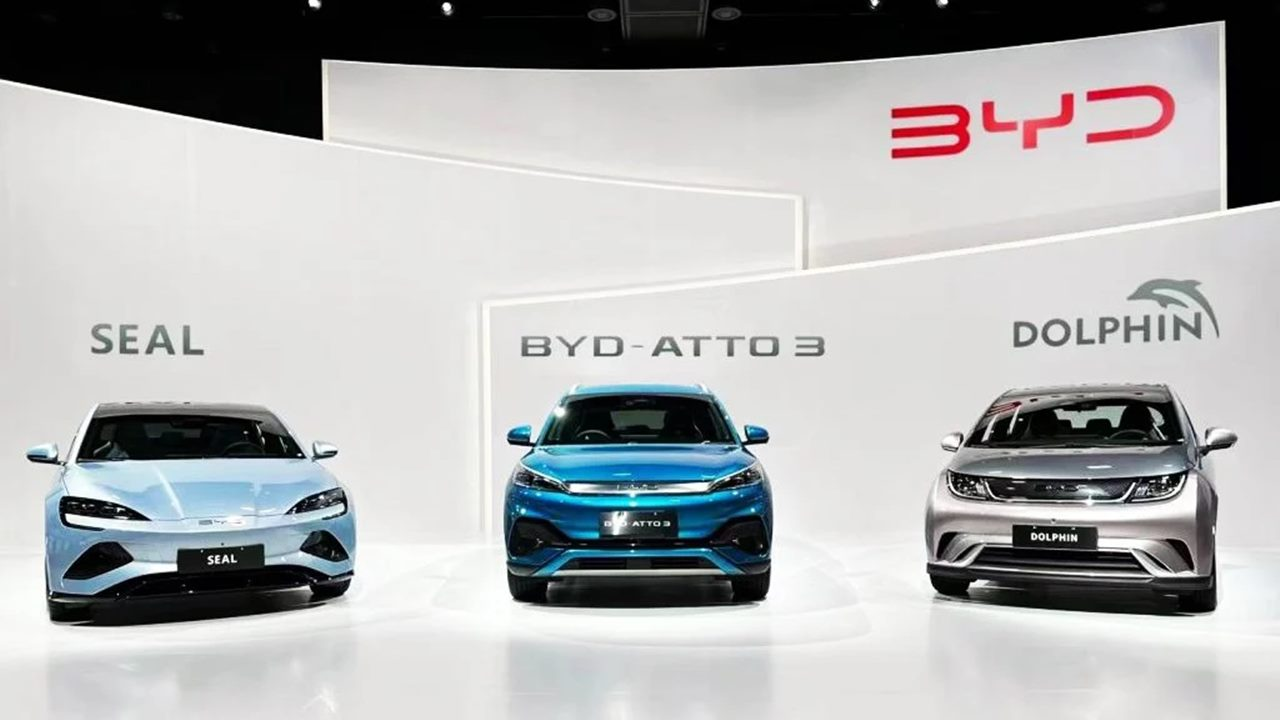
The electric car market has become suffocating in China. The competition has reached a point where some companies in the sector have started denouncing defamation campaigns against them. The latest to take this stance was BYD.
“We accept media criticism and public scrutiny, but we will not tolerate defamatory content or false accusations.” With these words, Li Yunfei, General Manager of the BYD brand and the public relations department, referred to the case in statements published by the site CarNewsChina.
The firm tone came after BYD formally reported 37 influencers who, according to the company, were promoting a coordinated disinformation campaign aimed at harming its sales.
-
Chinese students build a 6.06-meter remote-controlled paper airplane, achieve a flight of almost 15 minutes, and turn a school pastime into an engineering project to attempt a world record.

-
He started with a jigsaw, his father’s screwdriver, and many drawings made during classes; years later, the young man who built a roller coaster in his own backyard went viral on the internet, was hired by Cacau Park, and now coordinates Brazilian and foreign professionals in the installation of an attraction weighing 737 tons, 55 meters high, one kilometer long, featuring moments of zero gravity and a speed of 120 km/h, in a journey that turned curiosity, calculations, and persistence into a professional career.

-
Between Egypt and Sudan, Bir Tawil is no man’s land that neither country wants on paper, but in practice has gold mining, nomadic tribes, and even fake “kings.”

-
Swimming champion Shavarsh Karapetyan dove about 40 times into a frozen lake in Armenia to rescue a sunken bus, saved 20 lives, and lost his career because of it.


Over 150 Accounts Under Suspicion
In addition to these 37 accounts already reported, the Chinese giant continues to monitor another 126 accounts that, according to its analysts, are also disseminating false or harmful information against the brand. The company itself confirmed this information in an official statement on WeChat, according to CarNewsChina.
In the announcement, BYD specifies the number of reported and monitored accounts, but also highlights that anyone who provides leads on the accounts organizing these defamation campaigns will be rewarded. Specifically, the company offers between R$ 290,000 (50,000 yuan) and R$ 3.48 million (5 million yuan) for anyone contributing useful information.
Hunt for Defamers on Social Media
The company’s campaign also coincides with a post on Weibo in which BYD reinforces its track record and good reputation. It is precisely on Weibo and other social networks, such as TikTok, that the company focuses its efforts to identify users who, according to it, are spreading false information about the brand.
This is not the first time BYD has adopted such a strategy. Last year, the company had already taken similar measures, as it did in 2021. In its communications, the brand emphasizes that anyone who can clearly identify individuals, advertising agencies, or automotive companies involved in defamation campaigns will be rewarded, and that these cases will be properly investigated and communicated to the public.
Other Companies Also Under Scrutiny
Although, due to its size and visibility, BYD is leading this movement, it is not the only Chinese automaker denouncing such practices. According to information from the site Sina Finance, NIO has also reportedly been the target of similar campaigns. More recently, Xiaomi reported facing a defamatory offensive just hours before the official presentation of its electric car Xiaomi SU7.
Examples of Judicial Sanctions
In BYD’s case, CarNewsChina cites some examples already published by the company. A Weibo user was ordered by the Chinese court to pay R$ 69,600 (100,000 yuan) for falsely claiming that the company manipulated influencers. The same amount was imposed on another user who publicly insulted BYD and its executives.
Another case involved a user who will have to pay around R$ 55,700 (80,000 yuan) for spreading false information about the safety and quality of BYD cars.
All these cases have been investigated or are being analyzed by judicial authorities. According to the company, the false information included reports of alleged vehicle explosions and fabricated financial data suggesting a potential bankruptcy risk for the brand.




Be the first to react!