






 Portuguese
  Spanish


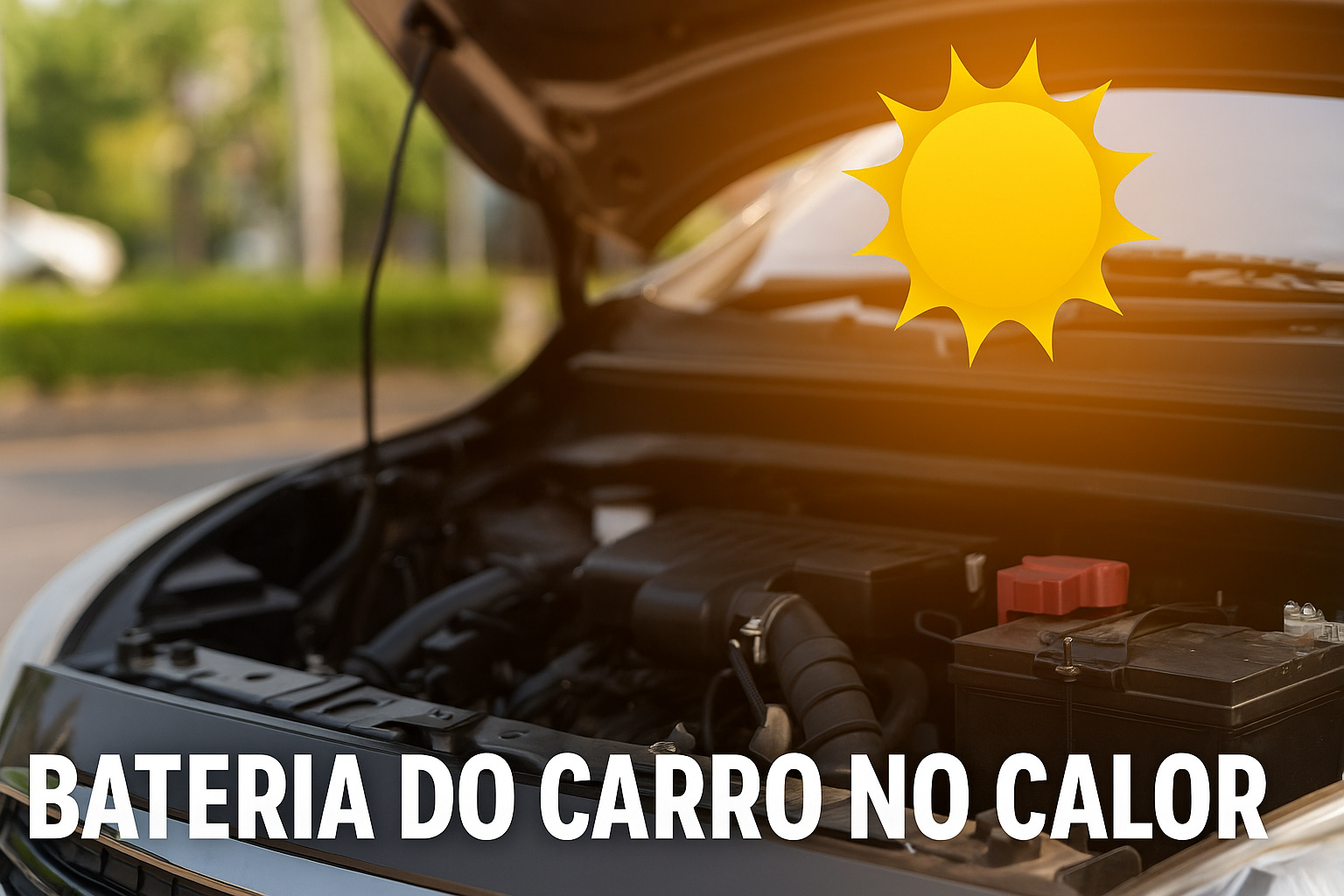


Heat Accelerates Car Battery Death And Increases Failures In Summer. Study Reveals Why This Happens And How To Prevent It
Car Battery In The Heat
The car battery in the heat is worrying drivers across the country again. With the arrival of higher temperatures, the number of vehicles that simply refuse to start in the morning or fail in traffic is increasing.
But after all, what is happening, who is affected, when and where is the problem most common, how does the failure occur, and why does this intensify in summer?
A new study published in the journal Energy Conversion and Management helps answer these questions by revealing how heat accelerates wear and reduces the lifespan of automotive batteries.
-
2027 Toyota Corolla Cross Unveiled: New Design, Enhanced Fuel Efficiency, Reduced Maintenance Costs, Advanced Technology, Connected Services, and Up to 10-Year Warranty

-
Fiat Cronos Precision 2018: Affordable Sedan with Spacious Trunk and Reliable Maintenance
-
Volkswagen to Cut Production by 1 Million Cars by 2030, Reducing Jobs and Platforms, Focusing on More Profitable Models

-
Toyota Launches First 100% Electric Car in Brazil: bZ4X with 343 HP, All-Wheel Drive, 361 km Range, Priced at $419,990 BRL, Limited to 99 Units



Heat Accelerates Internal Reactions And Anticipates Battery Wear
The research analyzed the behavior of lead-acid batteries, the most used type in cars in Brazil, exposed to temperatures of up to 40 °C. The results show that when the temperature rises, the car battery enters a cycle of chemical stress that intensifies degradation.
Thus, the internal battery quickly reaches over 45 °C, triggering processes such as:
- accelerated evaporation of the electrolyte;
- corrosion of internal plates;
- decreased efficiency in energy conversion.
These reactions, although invisible to the driver, cause progressive loss of capacity and increase the risk of sudden failures — exactly the type of breakdown that becomes common in summer.
Heat Increases Risk Of Overload And “Sudden Death” Of The Battery
The study also shows that high temperatures make the battery unstable. The incidence of overcharging increases 3.2%, while over-discharging rises 2.8% in environments of 40 °C.
These two factors are directly linked to the so-called sudden battery death, when the car runs normally one day but fails completely the next.
Why Is The Problem Even Greater In Cars?
In the real world, the effects of heat are amplified. This is because:
- the engine compartment can exceed 70 °C on hot days or in traffic jams;
- energy consumption increases, as air conditioning, fans, and electronic systems work at their limit;
- short trips prevent the alternator from adequately recharging the battery.
In addition, heat alters the internal resistance of the battery, making it harder to recharge and accelerating performance loss over the days. Therefore, drivers who mainly drive in the city, with many stops and starts, are the most affected.
Why Do So Many Cars Break Down In Summer?
In summary, the car battery in the heat faces three simultaneous problems:
- accelerated chemical degradation;
- increased electrical demand;
- incomplete recharging during short trips.
This combination explains why tow trucks and mechanics report spikes in service calls during the summer.








