Portuguese
  Spanish


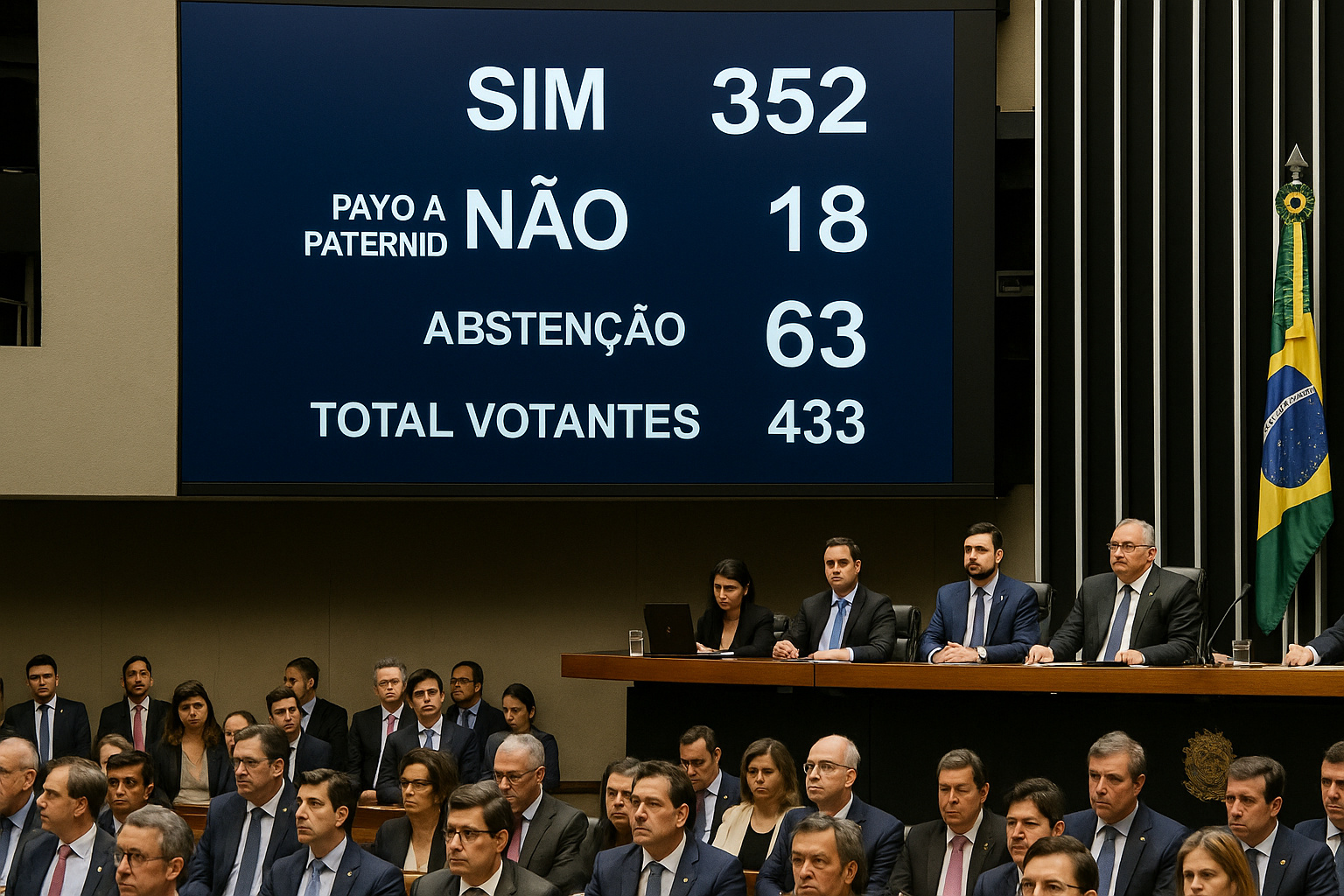

Chamber May Vote to Expand Paternity Leave to 30 Days. New Legislation Expected to Advance Next Week. See Details.
The Chamber of Deputies is expected to vote, as early as next week, on the bill that expands the paternity leave from five to up to 30 days.
The proposal, reported by Deputy Pedro Campos (PSB-PE), moves forward after a political agreement among the House leaders and will be analyzed in Brasília, as part of a social change agenda.
The measure provides for a gradual implementation starting in 2027 and seeks to ensure more rights for family bonding after the birth of children, strengthening Brazilian legislation.
-
Are Companies Required to Release Employees During Brazil’s World Cup Matches? Understanding Workers’ Rights

-
Brazilian Family’s Homeschooling Success Sparks International Debate: Daughters Read 30 Books Annually and Speak Multiple Languages

-
Piauí Governor Enacts Law Requiring State Contractors to Reserve Jobs for Former Inmates with Minimum Wage and Verification Before Payment
-
Providing Your Tax ID at Supermarkets: A Routine Step That Can Unlock Discounts and Rewards but Also Reveals Your Shopping Habits




Currently, working fathers have only five days of leave, which, according to specialists and lawmakers, does not meet the current reality of child care.
Thus, Congress promises to speed up the debate, as the topic has become a priority for lawmakers advocating for greater gender equality and support for families in Brazil.
Deputy Confirms Political Agreement and Pressure for Approval
After a meeting with party leaders, rapporteur Pedro Campos assured that the atmosphere is one of progress.
“Today, President Hugo Motta (Republicans-PB) is committed to putting the bill on the agenda next week. He has been assisting us in the process, and now has committed to putting the report to vote,” stated the lawmaker.
This commitment indicates a clear movement from the legislative base to prioritize the issue. Moreover, the negotiations demonstrate that the expansion of paternity leave has already gained significant support within the House.
Why Does the Expansion of Paternity Leave Matter?
The proposal aims to strengthen shared caregiving between mothers and fathers, which, according to advocates, reduces the burden on women and provides more support for newborns.
In this way, the discussion goes beyond traditional politics: it touches on social, emotional, and economic issues.
Additionally, the initiative brings Brazil closer to international standards of family protection. Currently, many developed countries already adopt longer periods of leave for fathers.
At the same time, the debate occurs in parallel with discussions about maternity leave, reinforcing the importance of updating family rights legislation in the country.
Implementation Timeline and Expected Adjustments
The expansion will be gradual, starting in 2027, which allows time for companies and public agencies to adapt.
In the meantime, the text may still undergo adjustments before the vote, as leaders work to align labor and budgetary details.
Moreover, the proposal opens up space for companies to offer even longer periods through corporate programs, which is already happening in some private sectors.
On the other hand, business entities are expected to continue monitoring the process to understand financial and operational impacts.
Social Impact and Approval Expectations
The possible change marks a new chapter in the advancement of Brazilian family rights. In a scenario where the equity agenda gains traction, extending the initial bonding time between parents and babies may have positive impacts on child development and balancing family responsibilities.
Meanwhile, civil society watches with anticipation, as the measure could influence other transformations in labor legislation, including the debate on maternal support and child welfare.