






 Portuguese
  Spanish
  6 min of reading
  3 comments


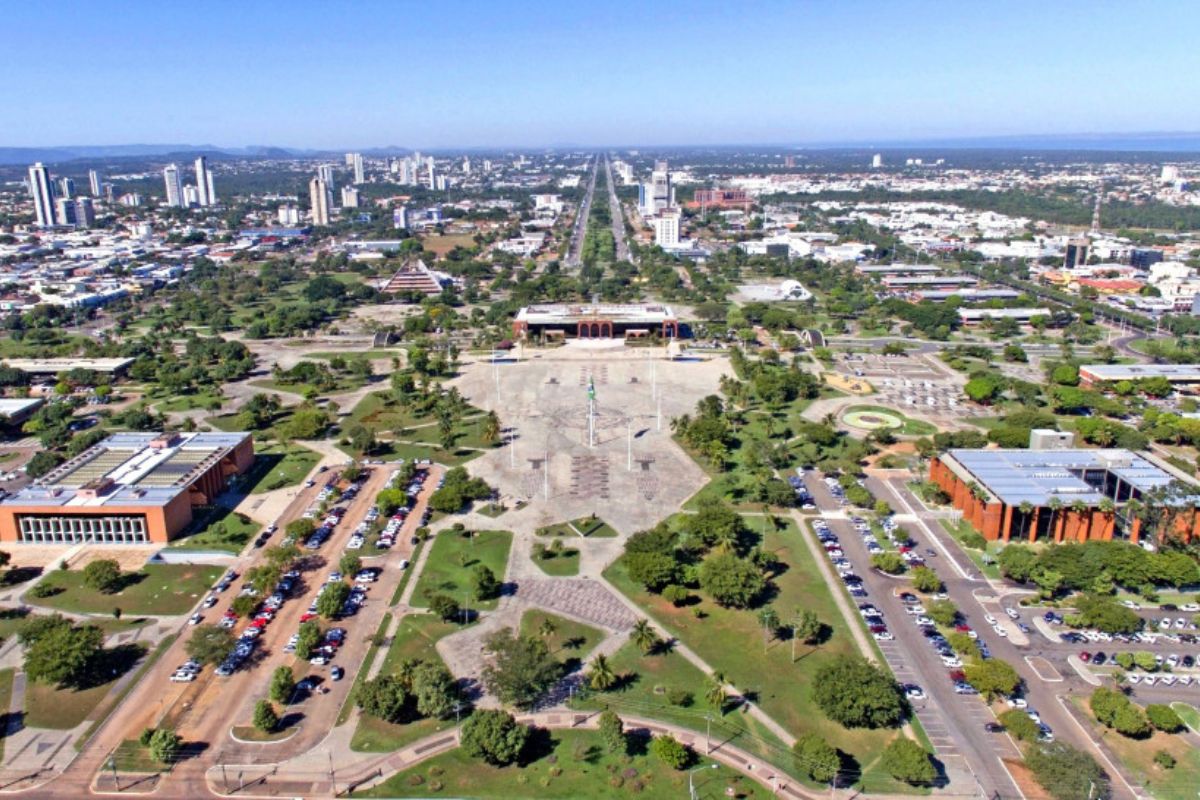


The Youngest Capital of Brazil Blends Freshwater Lake, Waterfalls, Wide Avenues, and Year-Round Heat, Attracting Those Who Seek Good Infrastructure Without Giving Up Nature
The youngest capital of Brazil is growing at an accelerated pace and has become a dream destination for those seeking comfort, quality of life, and direct contact with the savanna. Palmas, planned in the heart of Tocantins, was born with the ambition to be modern, functional, and at the same time, integrated into the surrounding landscape.
Between Lake Palmas, the waterfalls of Taquaruçu, the monumental Praça dos Girassóis, and a nearly guaranteed sunny climate, the youngest capital of Brazil now combines organized urban life with a vibe of a city that still has time for sunsets, conversations by the shore, and hearty breakfasts at the markets.
The Youngest Capital of Brazil Between the Mountains, the Lake, and the Savanna

Palmas is the youngest capital of Brazil and an example of urban planning designed to dialogue with nature. The city was planned between the Serra do Lajeado and the Tocantins River, occupying the geographic center of the state and taking advantage of the lake formed by the hydroelectric power plant as the protagonist of the landscape.
-
Survivor of 1966 SS Daniel J. Morrell Shipwreck in Lake Huron Recounts 38-Hour Ordeal in Extreme Cold

-
The Greatest Hoax in World Cup History? The Film That Denied Brazil’s 1958 Victory and Exposed How Fake Evidence Can Seem Convincing on TV
-
Fake South Korean Online Stores Offer Shopping Thrill Without Spending Money or Receiving Products
-
The War of Jenkins’ Ear: How a Severed Ear Sparked One of the 18th Century’s Most Unusual Conflicts


Founded in 1989, Palmas was built from scratch to house the government of the newly created Tocantins. The youngest capital of Brazil was born as the last planned city of the 20th century, with wide streets, spacious avenues, and a landmark that impresses any visitor.
Praça dos Girassóis and the Monumentality of the Youngest Capital of Brazil
In the heart of Palmas is Praça dos Girassóis, considered the largest square in Latin America. It is around this square that the city grows and organizes. Here stands the Palácio Araguaia and monuments that recount important chapters of Brazilian political history, such as the symbols linked to the Prestes Column.
Walking through the square helps understand how the youngest capital of Brazil was designed to be open, spacious, and monumental. At the same time, the area surrounding it bears marks that are much older than the city itself.
Millenary Vestiges and Prehistoric History in the Mountains
Near Palmas, the Paredão Archaeological Site preserves rock paintings in red stones, contrasting with the green vegetation. Maintained with support from IPHAN, the site reveals that the region of the youngest capital of Brazil has human occupation long before the city’s official foundation.
A guided tour of the Paredão Site mixes archaeology, easy trails, and mountainous landscapes, reminding us that the savanna holds stories that span centuries.
Itinerary in the Youngest Capital of Brazil: Lake Beaches and Nature
The itinerary in Palmas dispels the idea that the countryside has no beaches. In the youngest capital of Brazil, life happens by a freshwater lake, with sunsets applauded daily by residents and tourists.
The city also serves as a strategic entry point to Jalapão but has its own attractions worth several full days of travel.
Praça dos Girassóis
The zero point of the youngest capital of Brazil, it is the center of state power and a mandatory stop during a visit. It’s possible to walk around, take photos of the Palácio Araguaia, and the monuments that tell part of the history of Tocantins and the region.
Praia da Graciosa
By the lake, Praia da Graciosa is the city’s most famous waterfront. The late afternoon here is classic: boardwalk, kiosks, hammocks for resting, and the sun setting over the water’s surface. It is one of the places where the youngest capital of Brazil reveals its beach town vibe without being on the coast.
Ilha Canela
Leaving Praia da Graciosa by boat, Ilha Canela offers a full day of calm waters, bar facilities, and a feeling of refuge within the lake. It’s the kind of outing that shows how the lake is a fundamental part of the capital’s routine.
Parque Cesamar
Within the urban fabric, Parque Cesamar serves as a green refuge of the youngest capital of Brazil. Trails, shade from native trees, and space for walking and picnicking make it a perfect spot for those who enjoy nature without straying too far from the center.
Sítio Paredão
Beyond its archaeological value, Sítio Paredão surprises with its mountain scenery and rock inscriptions. A guided visit combines an easy walk, savanna landscapes, and contact with the region’s ancient history.
Taquaruçu
The mountainous district of Palmas, Taquaruçu is famous for its more than 80 cataloged waterfalls, milder climate, and food festivals. It is the cooler face of the youngest capital of Brazil, ideal for escaping the intense heat of the lowlands and diving into cold water amidst the forest.
Flavors That Define the Youngest Capital of Brazil
The cuisine in Palmas is characterized by hearty dishes designed to sustain the routine on hot days. The absolute highlight is the chambari, made with ossobuco slowly cooked with seasonings and green herbs, traditionally served at the breakfast markets, accompanied by rice and paçoca.
Another strong point of the youngest capital of Brazil is the fish from the Araguaia-Tocantins basin, such as fried tucunaré or prepared on a tile. To finish, sweets like buriti and sugarcane rapadura reflect the rustic sweetness of the savanna.
Climate, Seasons, and the “Official Heat” of the Youngest Capital of Brazil
The climate is semi-humid tropical, with heat practically guaranteed all year round. The youngest capital of Brazil is known to be among the hottest in the country, with a maximum temperature recorded at 41 °C in September 2024.
The heat is alleviated by the lake breezes and constant swimming. Understanding the seasons helps plan the trip.
January to March
Temperatures ranging from 22°C to 32°C, this is the rainiest period. It’s when the waterfalls of Taquaruçu appear at their maximum volume, perfect for those wanting to see the mountains in “turbo” water mode.
April to June
Averages between 23°C and 34°C, beginning of the dry season. It’s a great window to enjoy the river beaches and the sunset with fewer clouds in the youngest capital of Brazil.
July to September
Between 24°C and 38°C, this is the high season for freshwater beaches, especially during the holidays. The heat is intense, but the lake’s water makes up for it and becomes the centerpiece of the experience.
October to December
Temperatures from 23°C to 35°C and a transition back to the rains. It’s a good time to enjoy the city with a slightly lower flow of tourists, still with plenty of sun.
How to Get to the Youngest Capital of Brazil
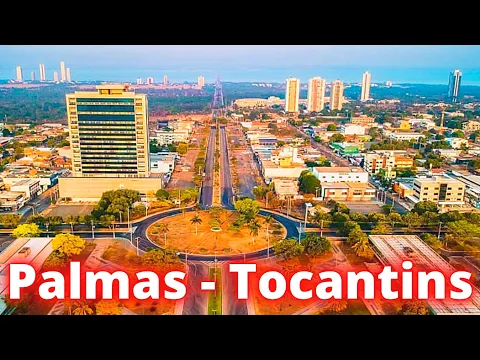

Palmas is served by the Brigadeiro Lysias Rodrigues Airport (PMW), which receives daily flights from major capitals such as Brasília, São Paulo, and Goiânia. The airport is located about 20 km from the center, with quick access via double lanes and well-signposted avenues.
For those who prefer to travel by car, the main access route is BR-153, the Belém-Brasília highway, which cuts through the state from north to south. The road allows for a gradual change in the landscape of the savanna and crosses the Friendship and Integration Bridge, which stretches 8 km over Lake Palmas.
The Experience of Living in and Visiting the Youngest Capital of Brazil
With around 320,000 inhabitants, Palmas offers the infrastructure of a capital with the tranquility of a medium-sized city. It is a destination for those seeking sun, urban organization, and constant proximity to water, whether by the shore, on the islands, or in the waterfalls of the mountains.
Monumental architecture in the largest square in Latin America, freshwater beaches formed by the damming of the Tocantins River, accessible ecotourism, and a climate that invites you to slow down make the youngest capital of Brazil an increasingly desired point on the map.
Prepare light clothing, take care of hydration, and be ready to discover the human and climatic warmth that has transformed the center of Tocantins into one of the country’s most promising destinations.
Would you live in the youngest capital of Brazil for year-round sun, lake, and waterfalls, or do you prefer to visit for tourism and return to your current climate?





Concordo com a temperatura de Palmas-to! Só que o estado de Tocantins hoje é bem visto no Brasil como a capital moderna e tem mais, abastece o nordeste com a carne bovina.
Fui pioneiro nesta bela capital Palmas-to! Morei por 22 anos e hoje mora em J.pessoa-pb Tenho filha que mora e trabalha lá. Devo dizer quê quem está pensando em morar em uma capital boa.O Tocantins é uma boa pedida.
O calor nessa cidade e igual você entrar dentro de um micro-ondas, e simplesmente insuportável.