Portuguese
  Spanish


Measurements At 50 Fast Charging Stations Found Fine Particles In The Air Above Urban Background, The Main Reason Is The Resuspension Of Dust By The Cabinets’ Fans, Raising Tire And Brake Particles In The Surroundings
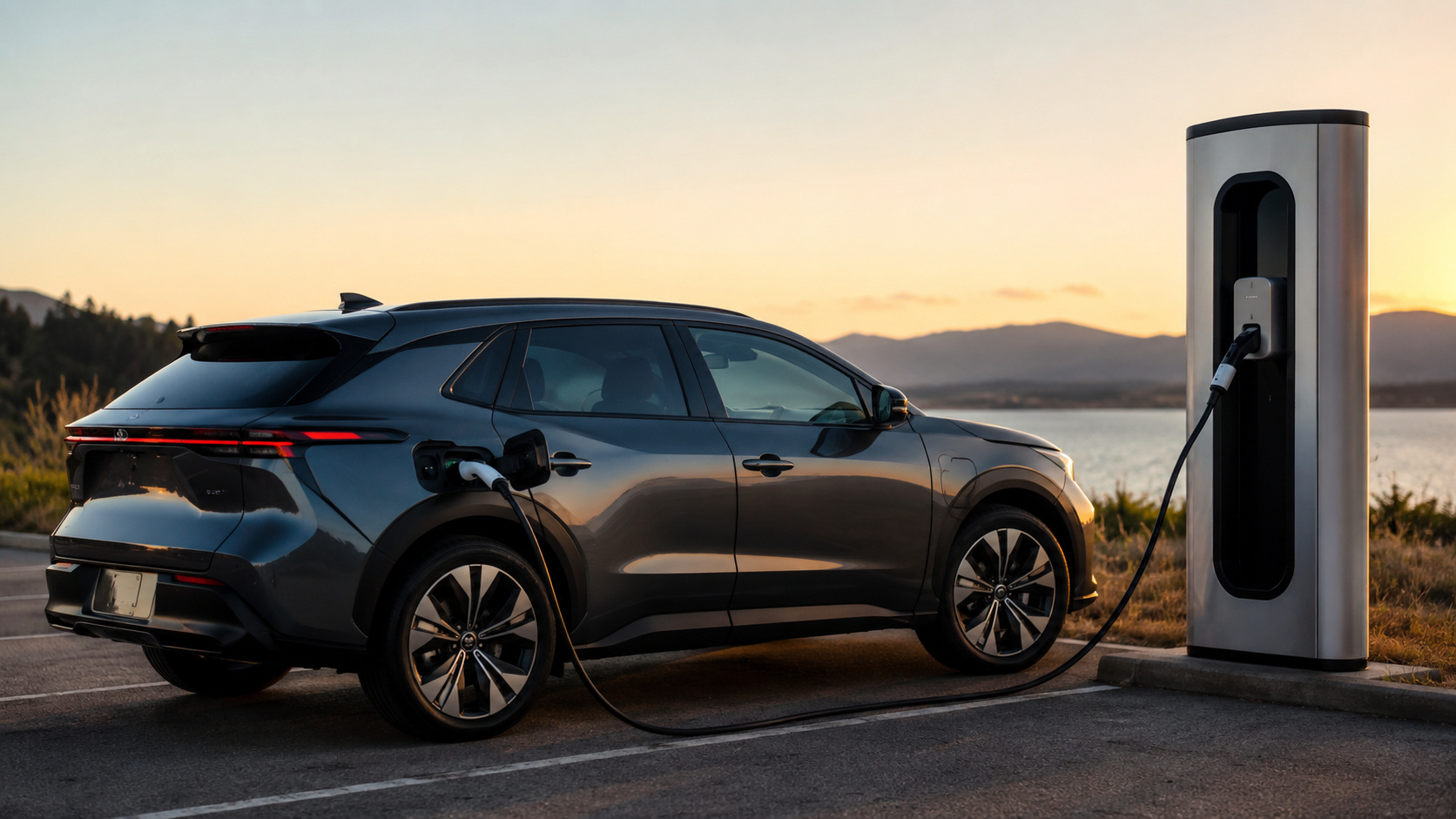
A survey conducted by UCLA researchers analyzed 50 fast charging stations (DCFC) in 47 cities in Los Angeles County and compared the readings with urban areas without fast chargers and with gas stations. The finding is that electric vehicle fast chargers elevate fine particles that pollute the air.
The concentrations of fine particulate matter (PM2.5) in the immediate vicinity of the power cabinets were significantly above those observed in other urban locations. In terms of range, the daily averages at the stations varied from 7.3 to 39.0 µg/m³, while the comparison urban sites ranged between 3.6 and 12.4 µg/m³.
According to the authors, these are localized hot spots. A few meters from the cabinet, concentrations decrease perceptibly, and a few hundred meters there is no difference compared to the urban background. Still, the measured level near the cabinets averaged around 15 µg/m³, with reported instantaneous peaks reaching ~200 µg/m³ in some locations, reinforcing the need for mitigation at the exposure site.
-
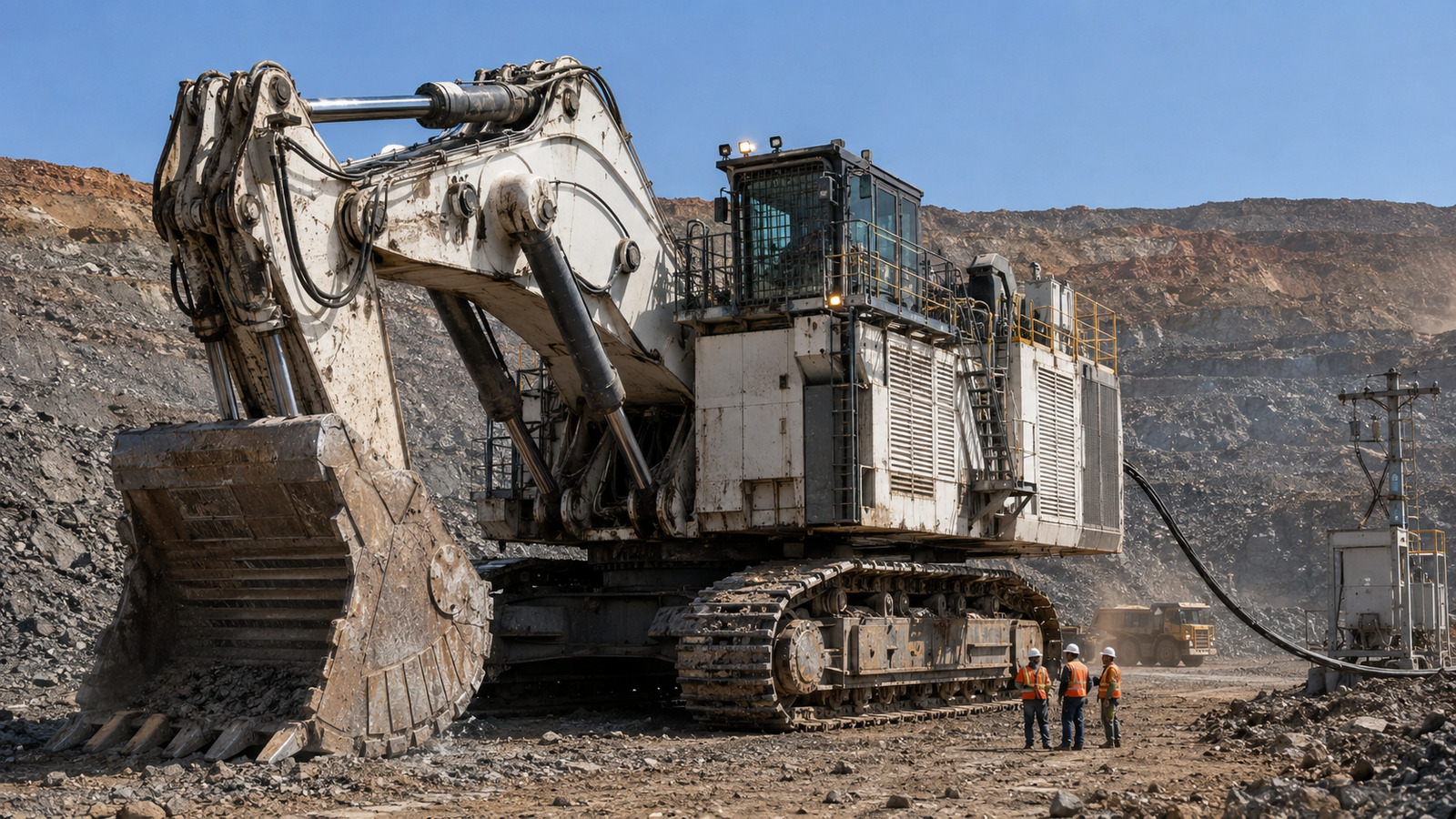
Unprecedented achievement in India: a colossal 650-ton, nearly 3,000 hp excavator is transformed into 100% electric, marking a new phase in heavy mining.

-
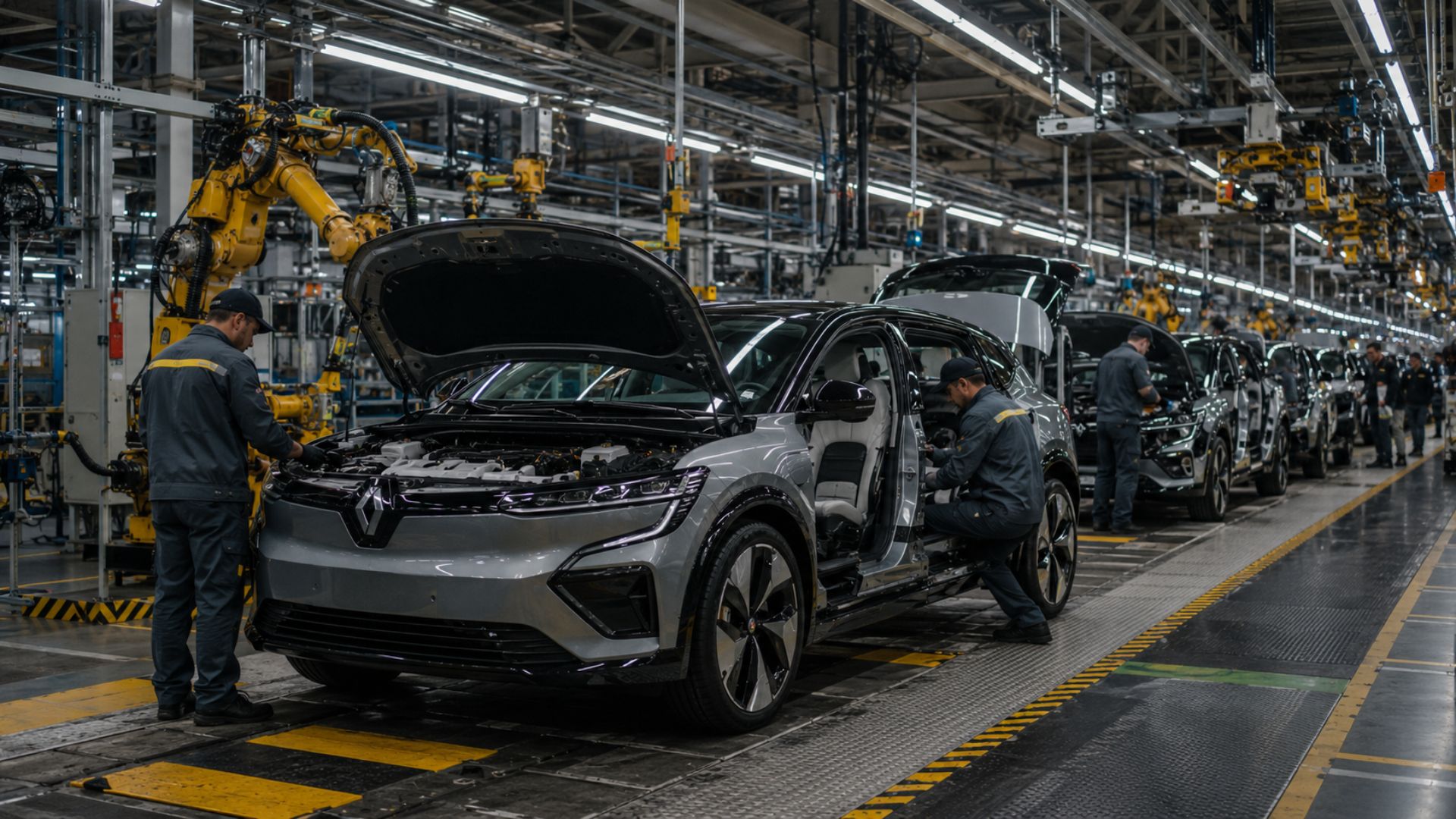
Frightened by the speed of Chinese manufacturers, Renault decided to mimic the pace, made the new electric Twingo in just 21 months, wants to repeat the feat with 36 models by 2030, and along the way, will cut up to 2,400 engineering positions.

-
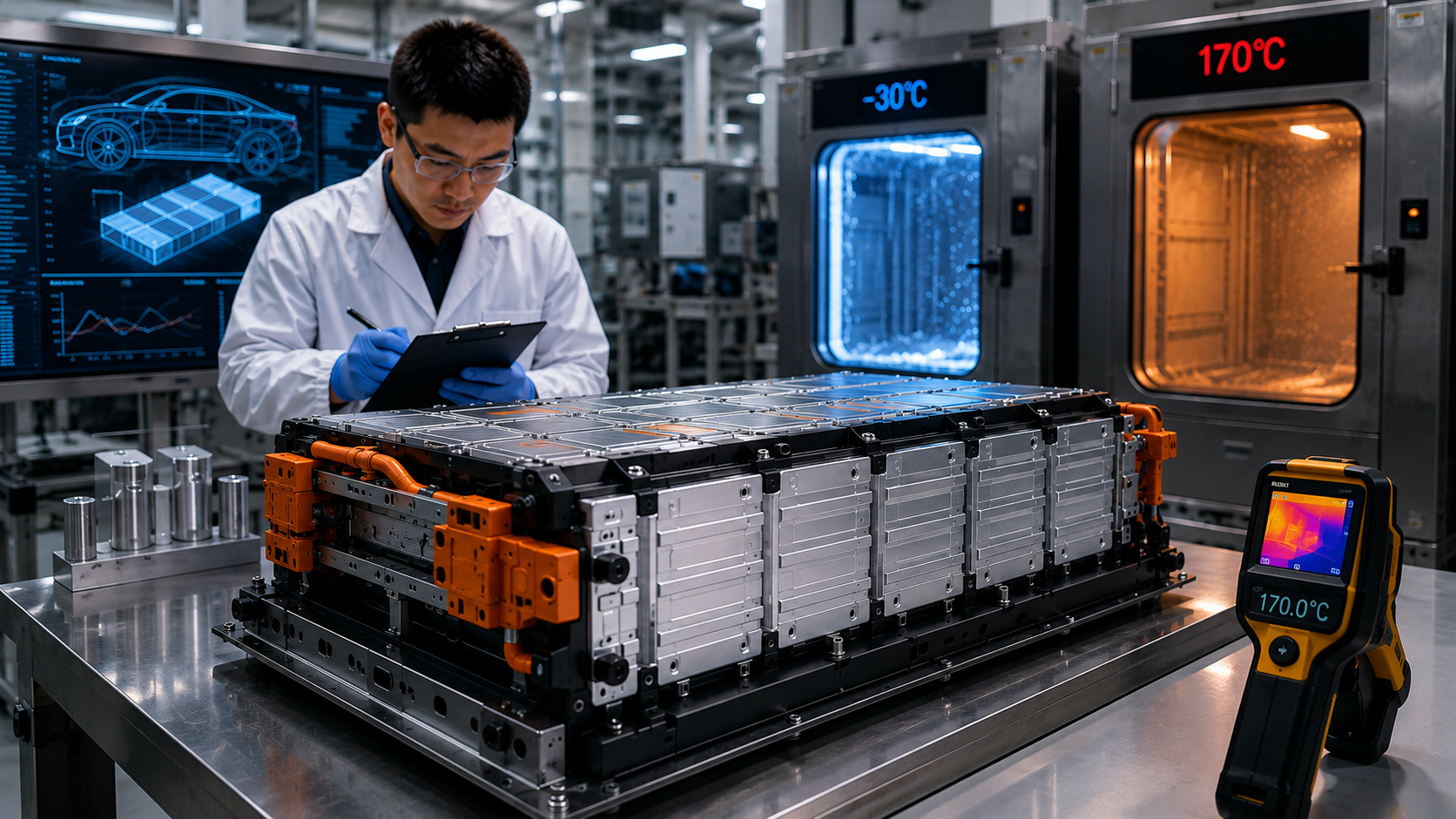
Chinese battery from Dongfeng promises to exceed 1,000 km without relying on liquid electrolyte, and the detail behind the technology could change the electric car competition.

-
The end of the automotive combustion era has already begun, but many in Brazil have not yet realized the magnitude of the shift towards Chinese electric cars.
The scientific article, published in the journal Environment International, details the methodology and confirms that the critical factor is the area of the power cabinet of the DC chargers. The peer-reviewed research provides technical support for the engineering recommendations presented by the authors.
Why This Happens: Fans And “Traffic Dust”
Unlike combustion cars, electric vehicles do not have exhaust. The identified problem is another: the fans of the cabinets, which cool high-power electronics, stir up dust and debris previously deposited on surfaces, raising tire and brake particles that make up a significant part of PM2.5. This is the phenomenon of mechanical resuspension, already known in urban traffic-heavy environments.
In comparisons made by the team, measured gas stations reached about 12 µg/m³, while fast chargers recorded, at the most critical point, average values around 15 µg/m³ near the cabinets. The difference does not make chargers the main culprit of urban pollution, but it does create exposure points that deserve control.
It is important to emphasize: the study does not contradict the consensus that electrifying the fleet reduces emissions and improves air quality on a city scale. The alert is for design and operational adjustments of high-power stations so that the transition is, in fact, cleaner also in the immediate surroundings of charging.
What Do The Standards Say: WHO And National Standards
The World Health Organization recommends that the annual mean of PM2.5 not exceed 5 µg/m³ and that the 24-hour mean stay up to 15 µg/m³. These values serve as global reference points for public policy and risk assessment. At the analyzed sites, almost half of the stations exceeded the daily guideline, according to the university’s reports and materials about the study.
In Brazil, the Conama Resolution 506/2024 updated the national air quality standards and provides guidelines for application by states and municipalities. For fast charging equipment, technicians and regulators can use these parameters as a basis for licensing, monitoring, and possible specific regulation on PM2.5 in areas of permanence. Conama 506/2024 is the most recent regulatory anchor in the country.
In practice, incorporating PM2.5 into electrical infrastructure projects is already consistent with WHO guidance and the environmental health agenda, especially in spaces with people circulation for several minutes, such as charging corridors.
Impact For Brazil: Network Grows And Calls For Best Practices
The expansion of public charging in Brazil is accelerating. As of February 2025, there were 14,827 public and semi-public charging points mapped, accounting for 16% fast charging (2,430 DC). The number of DCFC increased by about 60% between November 2024 and February 2025, indicating that high-power areas are likely to multiply on urban roads, shopping malls, and highways. This growth makes the topic relevant already.
From an urban planning perspective, the lesson from Los Angeles is straightforward. In the Brazilian expansion, it is important to position cabinets away from waiting points, adopt filters and seals in airflow, and anticipate a routine of wet cleaning of the floor to reduce loose dust. The protection of sensitive areas, such as schools and daycare centers, should also be included in the licensing checklist.
As there are still no national studies of the same scale, there is an opportunity for universities and environmental agencies to test similar methodologies and, if necessary, set specific preventive rules for high-power DC stations.
Industry Responses And Immediate Solutions
UCLA suggests relatively simple mitigation, such as installing filters in cabinets to prevent the fan from redistributing particles, as well as layout adjustments to direct exhaust away from areas of permanence. A spokesperson for ChargePoint stated that the company already imposes minimum height for air intake and exhaust in current DC stations and that plans to add filters to equipment to reduce the risk of dust and particle entry and exit. Air filters are therefore a concrete response currently being evaluated.
Other operational measures include landscaping as a barrier, fencing, PM2.5 monitoring in high-traffic areas, and guidance to users to wait inside the vehicle with air conditioning on recirculation during fast charges in dusty environments. These practices are aligned with the authors’ recommendations and compatible with the routine maintenance of stations.
In the United States, the discussion gains urgency as the DCFC network surpassed 60,000 public stations this year, with robust growth projected through 2040. The scale amplifies the benefit of quick and standardized solutions.
What Changes For Managers, Operators, And Drivers
For public managers, the recommendation is to include PM2.5 in the licensing processes for fast charging points, require mitigation plans, and prioritize installation away from sensitive areas. Operators and manufacturers can advance with filters, seals, airflow review, and frequent cleaning of the surroundings, in addition to redesigning the position of cabinets to reduce exposure.
Drivers can opt for well-ventilated locations, stay in the car with recirculation activated, and avoid remaining next to exhausts during charging.
Electric vehicles remain essential to reduce pollutants and greenhouse gases on an urban scale. For the transition to be consistent with the promise of cleaner air, the fast charging infrastructure needs to incorporate simple and effective controls right at the design and operational phase.