






 Portuguese
  Spanish
  2 min of reading
  0 comments



A New Bill Could Make Electric Cars More Affordable, Revolutionizing the Automotive Market. Find Out How This Change Could Impact the Future of Electric Vehicles
Cheaper Electric Cars? Electric vehicles may become more affordable for Brazilians if Bill 1.853/24, authored by Representative José Medeiros (PL-MT), is approved. The proposal seeks to exempt electric vehicles and those powered by clean energy, as well as agricultural machinery, from the Industrialized Products Tax (IPI).
The intention is to encourage the adoption of technologies that do not emit polluting gases, contributing to environmental preservation.
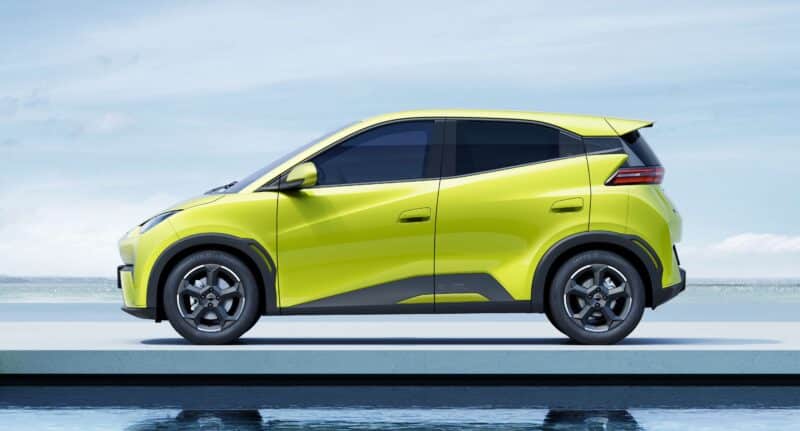
Currently, the IPI rate for some electric models, such as the BYD Dolphin Mini, reaches 5.27%, which increases the final price of the vehicle. If the bill is approved, the price of this model, for example, could be reduced from R$ 115,800 to R$ 109,697.34. For the PCD audience, which already receives an exemption on part of the ICMS, the price would drop even further, reaching R$ 99,800.
-
Uber Faces Shareholder Scrutiny as Board Accused of Ignoring Safety, Compliance, and Harassment Warnings Amid Over 3,500 U.S. Lawsuits

-
Ferrari’s First Electric Car Divides Fans, Priced at $630,000, Amid Concerns Over Limited Editions; Brand Clarifies It’s Not Just for Future Perks
-
BYD Dolphin Mini: The Electric Car That Defies Depreciation, Losing Only 3.58% in a Year and Becoming the Best-Selling Retail Model Under $22,000

-
Electric Car JAC E-JS4 Loses $19,000 in Value in One Year, Leading Record Depreciation of Used Cars in Brazil Due to Expensive Battery and New Models


In addition to promoting the use of cleaner technologies, the project aims to compensate for the loss of revenue by reducing federal government spending on advertising, limiting announcements to those essential for public health.
Thus, the representative seeks to maintain the balance of public accounts, making the price of electric cars cheaper.
Bill Progression
Bill 1.853/24 will be analyzed by four committees of the Chamber of Deputies: Agriculture, Livestock, Supply and Rural Development; Environment and Sustainable Development; Finance and Taxation; and Constitution, Justice and Citizenship. Only after passing through these stages can the proposal proceed to a vote in the Senate.
If approved, the project could represent an important advancement in the democratization of electric vehicles in Brazil, making them more accessible and driving the transition to a more sustainable energy matrix.





Be the first to react!