






 Portuguese
  Spanish


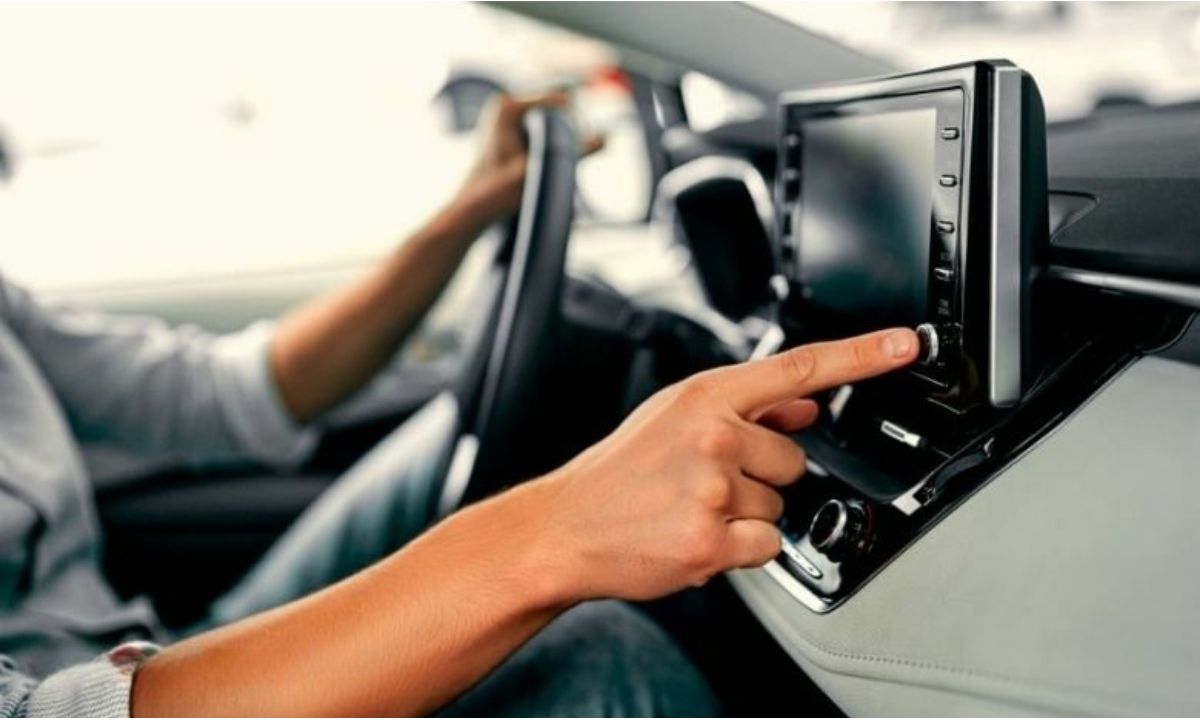

In The High-Tech Car Market, Choose A Powerful Processor: Essential For Agile Navigation, Quick Sensor Response, And A Flawless Interface
Previously, it was necessary to pay attention only to the car’s engine. Now, a powerful processor is no longer a luxury, but a necessity to provide a top-notch driving experience.
A few years ago, car buyers only worried about the mechanical aspects. However, nowadays, a slow interface or a screen that takes time to respond can ruin the user experience in a 30,000 euro vehicle. Therefore, it is now essential to consider the processor, just as one does when purchasing a computer.
We spend more time interacting with the car’s displays and digital systems than fully enjoying its engine. A low-quality processor can test our patience on every trip. Even Android benchmarks are now making their way into cars to measure their digital performance.
-
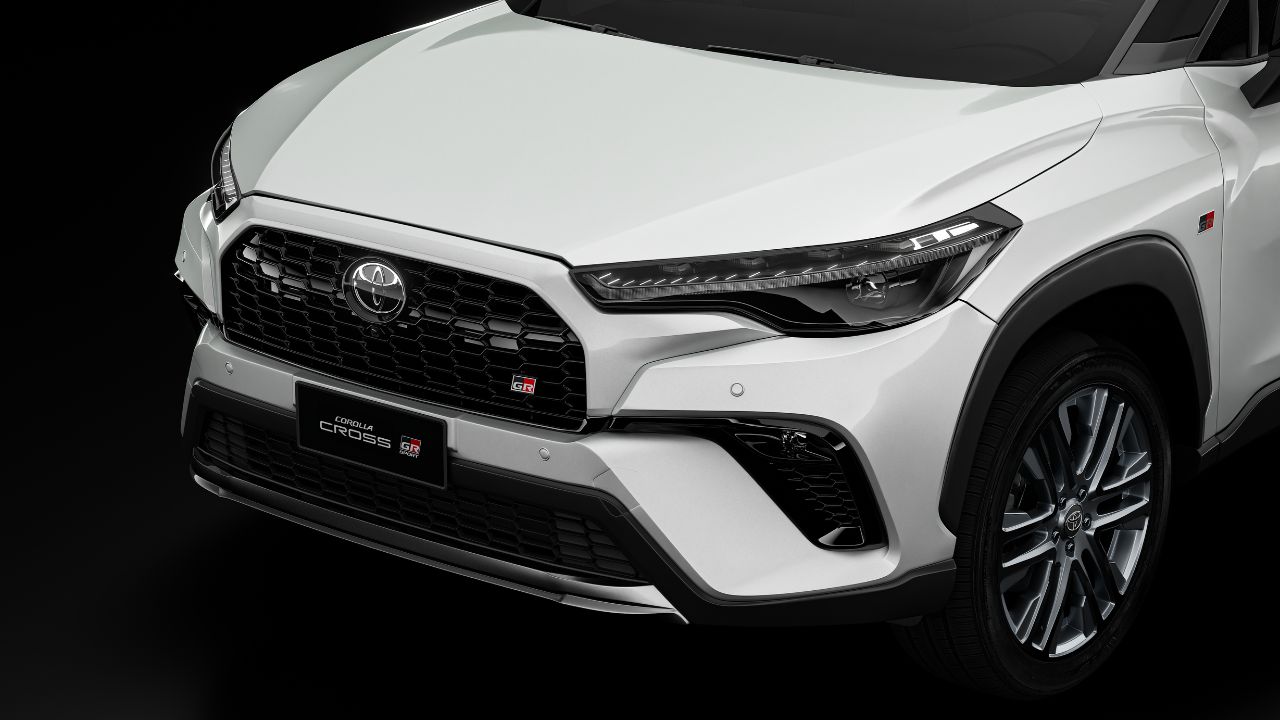
2027 Toyota Corolla Cross Unveiled: New Design, Enhanced Fuel Efficiency, Reduced Maintenance Costs, Advanced Technology, Connected Services, and Up to 10-Year Warranty

-
Fiat Cronos Precision 2018: Affordable Sedan with Spacious Trunk and Reliable Maintenance
-
Volkswagen to Cut Production by 1 Million Cars by 2030, Reducing Jobs and Platforms, Focusing on More Profitable Models

-
Toyota Launches First 100% Electric Car in Brazil: bZ4X with 343 HP, All-Wheel Drive, 361 km Range, Priced at $419,990 BRL, Limited to 99 Units



This type of advanced functionality directly depends on the car’s processing capability. The quality of the processor impacts both the response of the displays and the efficiency of voice systems.
How The Processor Affects The Driving Experience
The processor in a modern car affects:
- The touch screen response speed.
- The fluidity of the navigation system.
- The system boot time.
- The ability to run multiple applications at the same time.
- The response speed of cameras and sensors.
- The quality of the user interface.
There are cars with good engines and acceptable finishes that end up suffering from slow interfaces or systems that freeze. In many cases, the root of these issues lies in the processor, which becomes the car’s Achilles’ heel.
Manufacturers have learned the lesson, and the recent launch of the Snapdragon 8 Elite along with Qualcomm’s new automotive platforms reflects this reality: powerful chips are no longer exclusive to smartphones and computers, but also to cars.
What To Consider When Buying A New Car
When buying a car, it is now essential to ask questions that were previously limited to electronic devices, such as the processor’s capacity, the generation it belongs to, the amount of RAM in the infotainment system, the possibility of software updates, and the fluidity of the interface in a real test. It is also helpful to know other users’ experiences regarding the system’s response.
It’s not just about having attractive screens, but having a powerful processor that avoids delays in camera responses when parking, in generating routes from the navigation system, or in using Android Auto or Apple CarPlay without freezing.
Now, a complete and realistic demonstration of the infotainment system has become an essential task before deciding on a car. It is recommended to test all functions, open and close applications, and check the camera responses to ensure a satisfactory driving experience.
A powerful processor in the car is no longer a luxury, but a necessity to provide a top-notch driving experience.








