






 Portuguese
  Spanish


Suspended High on Mount Cristallo, the Buffa di Perrero Holds Memories of the First World War and Requires Extreme Courage to be Reached
High in the Italian Alps, a building defies logic and gravity. The Buffa di Perrero, as it is called, is perched at an altitude of 2,760 meters, on a steep slope of Mount Cristallo.
It can only be reached by climbing. The trail is one of the most difficult in the region.
The house was built during the First World War. It was a military shelter for Italian soldiers. Located in an almost inaccessible spot, it offered protection from attacks and also from the severe mountain weather.
-
OnePlus N6 Smartphone to Launch in India with 8,000mAh Battery and 45W SuperVOOC Charging, Lasting Up to Three Days

-
Scientists Plan to Release Air Bubbles Underwater to Protect Antarctica’s “Doomsday Glacier” from Melting

-
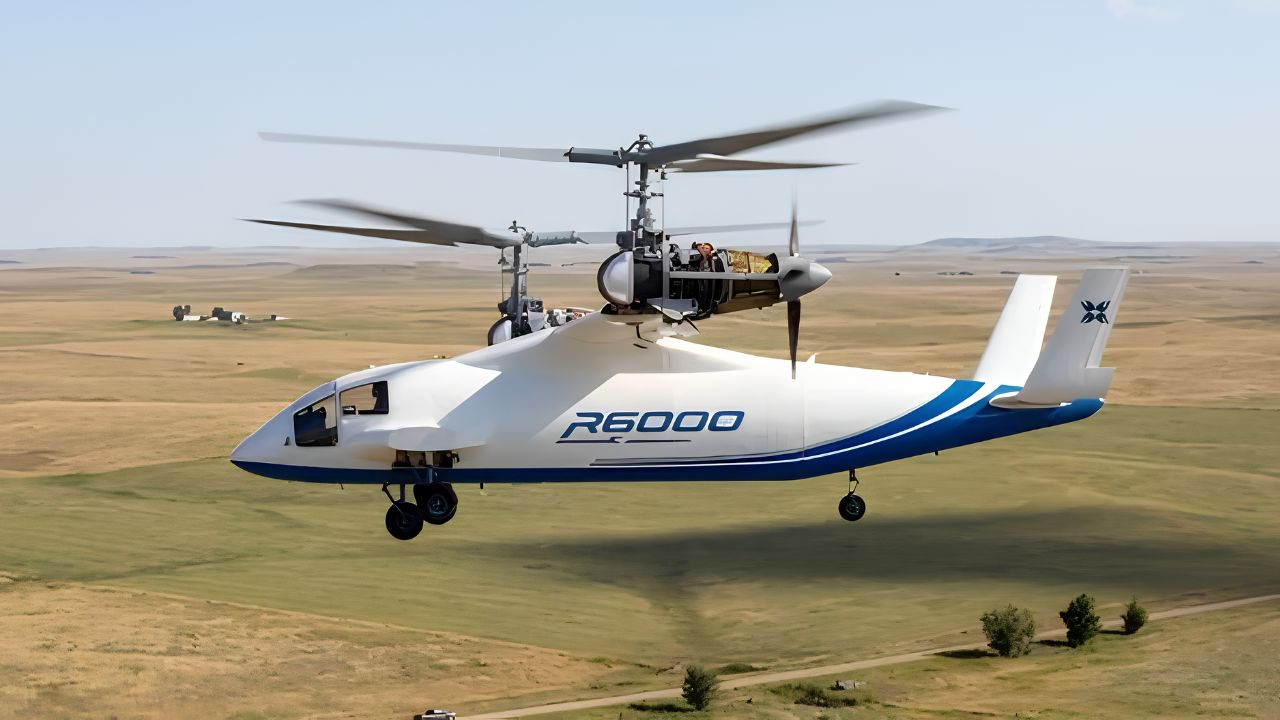
Chinese R6000 Drone Combines Airplane and Helicopter Features, Carries Up to 12 People for Multiple Missions
-
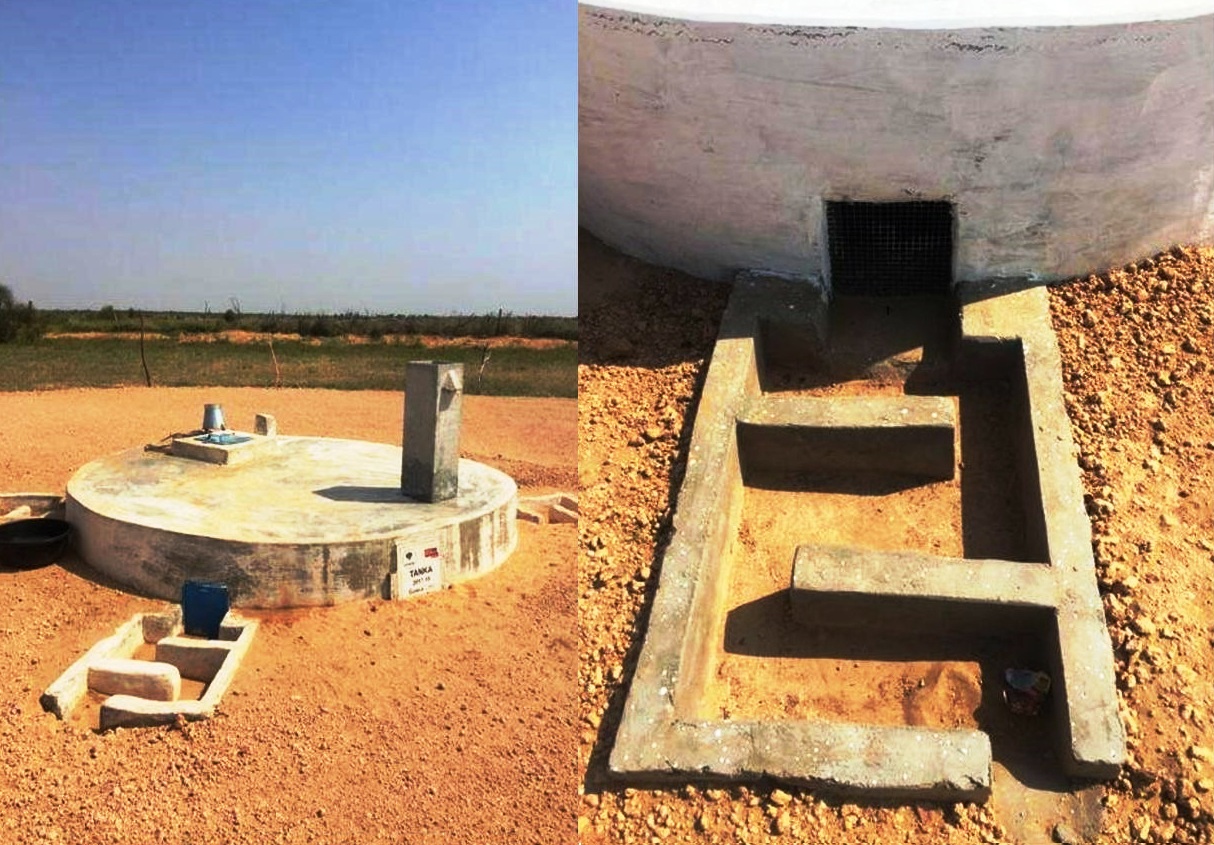
In the World’s Most Densely Populated Desert, Families Dig Funnel-Shaped Underground Cisterns to Capture Rare Rainfall and Store Drinking Water for Up to Eight Months



Even more than a century later, its structure still impresses those who arrive there.
House in the Mountains: Architecture on the Edge
The Buffa di Perrero looks like a miniature fortress. Its walls are made of stone, and the roof is sloped. It sits on a cliff so steep that experts still wonder how it was possible to build something there.
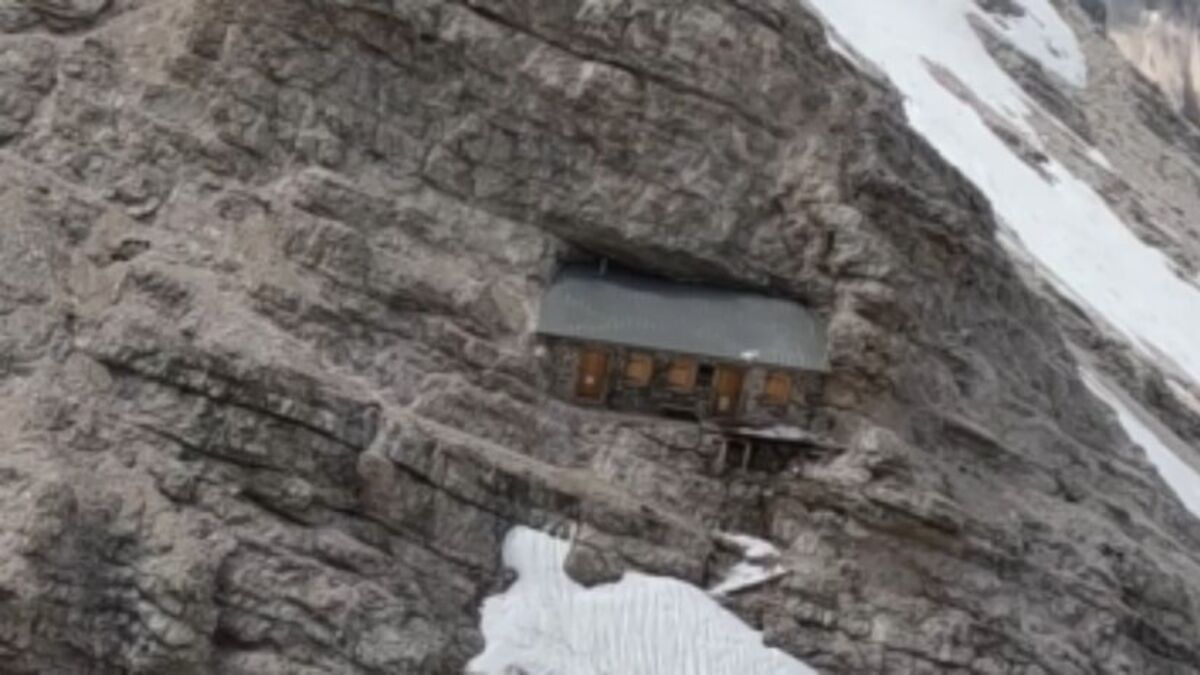
According to researchers, materials were transported using ropes and improvised cranes. The work was risky and required extreme courage.
Today, the house is empty. Still, it carries marks of the war. In 2020, a group of climbers found inside old objects, such as food cans and uniform buttons. They are memories of a time forgotten in the clouds.
War Memory
The building served as a strategic point during the First World War. Soldiers hid there, stored weapons, and watched for enemies.
The name Buffa di Perrero is a tribute to Colonel Carlo Buffa di Perrero, who commanded Italian troops in the region.
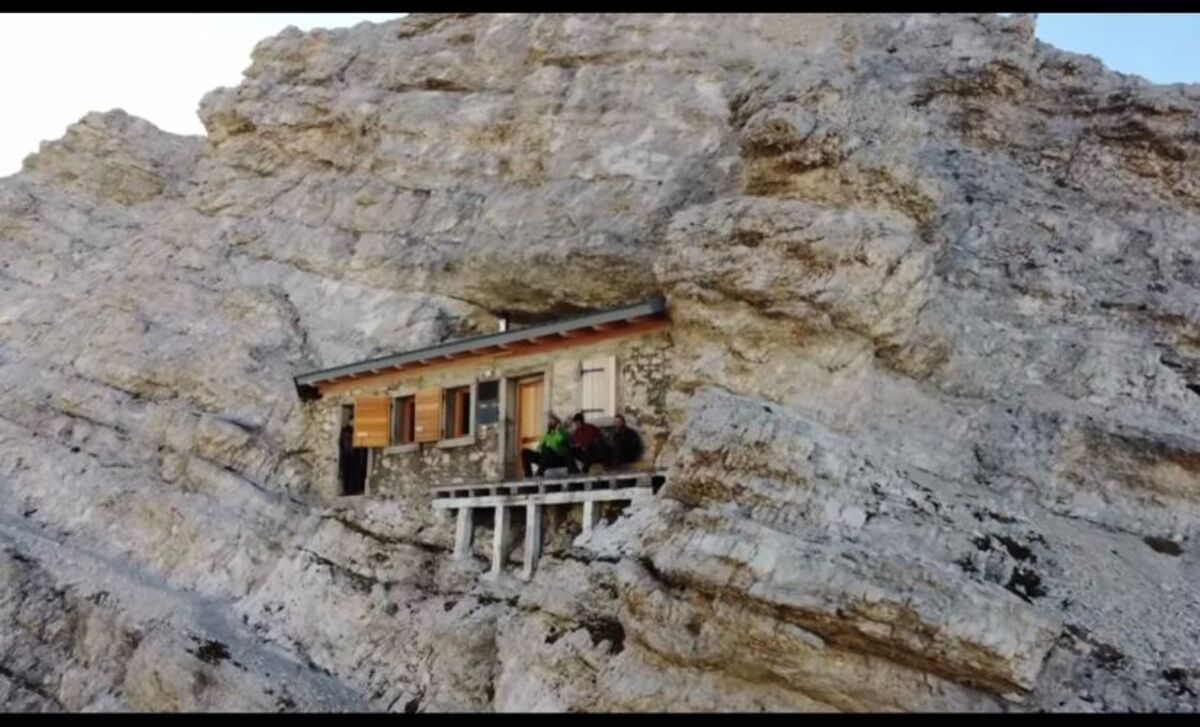
The shelter has two doors and four small windows. The space is cramped and dark. Today, only a few wooden chairs and signs of the passage of time remain. In return, it offers a wide and impressive view of the Alps.
High-Risk Trail Leading to the House
The trail that leads to the Buffa di Perrero is called Via Ferrata Ivano Dibona. It is considered one of the most dangerous in the region. It requires physical preparation, equipment, and experience.
The roof has collapsed under the weight of the snow and has been rebuilt. Nevertheless, the place remains mysterious. Few have the courage to face the path to get there.
But those who do find a piece of history hidden in the mountains.
With information from Gazeta de São Paulo.
Also, See the Story of the Man Who Has Lived for Over 20 Years in a Boeing 727 in the Middle of the Forest
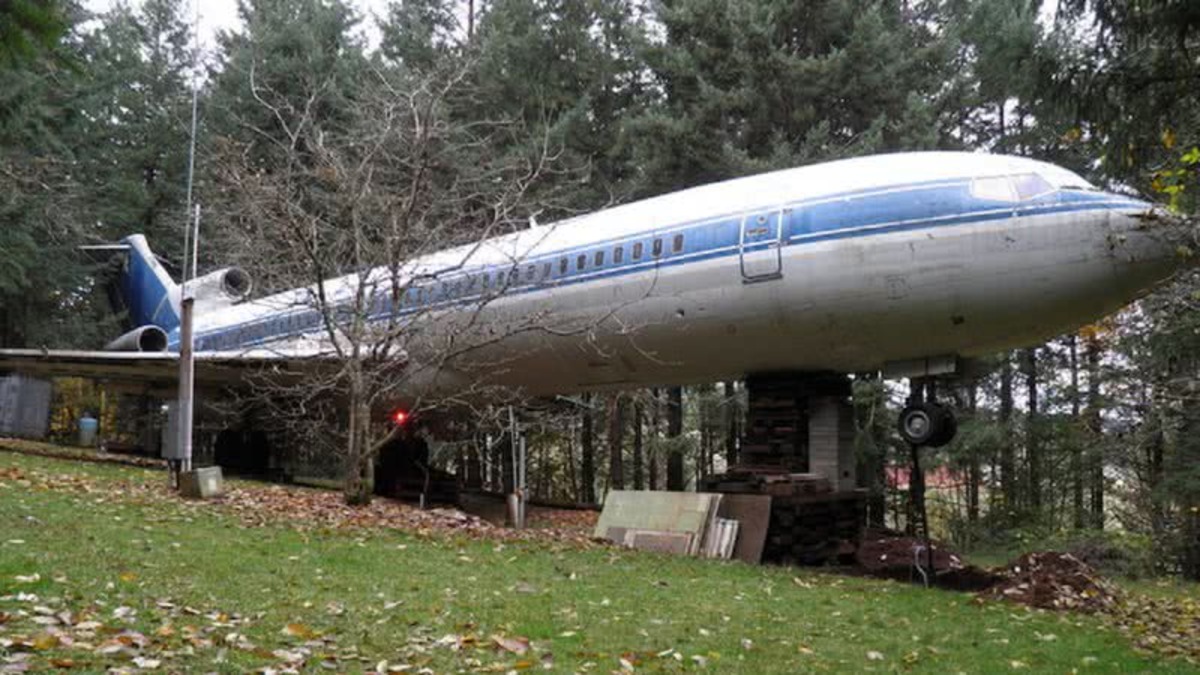
Have you ever imagined living inside an airplane? Not during a flight, but as if it were a fixed house, with furniture, appliances, and even an old computer. That is exactly what Bruce Campbell, a retired electrical engineer, has done in the outskirts of Portland, Oregon, USA.
The story was revealed by CNBC and USA Today. According to the publications, Bruce lives inside a Boeing 727. He got the idea after seeing how decommissioned airplanes are often discarded.
Often, only parts such as engines and electronic systems are salvaged. The fuselage, on the other hand, ends up forgotten in aircraft graveyards spread across the world.
Campbell thought that was a waste. To him, these complex and sophisticated pieces of equipment could serve a new purpose. That is how the plan to transform a commercial airplane into a home was born.
The Purchase and Transport of the Boeing
In 1999, Bruce decided to put his idea into practice. He bought the fuselage of a retired Boeing 727, along with parts of the aircraft’s interior. At the time, the price paid was about 100 thousand dollars — equivalent to approximately 190 thousand dollars today, considering inflation.
But acquiring the airplane was just the first step. The big challenge came next: transporting the structure to the land where he intended to live. For that, the airplane had to be partially dismantled. The parts were transported by trucks to the forest where Bruce lives today.
On-site, the Boeing was carefully reassembled. It rests on a base of supports connected to the landing gear and wings. Amid the vegetation, the airplane’s fuselage stands out as a futuristic building in the midst of nature.
Interior Preserved with Personal Touch
The engineer kept several original parts of the airplane. Some seats are still in place. The overhead compartments are still functioning. The main entrance is made through the emergency door, as if the visitor were boarding a flight.
Inside the airplane, you can find common items of a traditional home. There is a refrigerator, a table, a microwave, and several computers scattered around. One of the highlights is an Apple Macintosh SE, a model released in the late 1980s. Visitors can leave messages for Bruce on it.
The cockpit has been kept virtually intact. The controls used by the pilots are still there, with levers, throttles, and original panels. The sensation is that the airplane could take off at any moment.
The electrical part is exposed. Cables, wires, and internal systems are visible, reflecting Bruce’s technical taste, as he worked as an electrical engineer before retiring.
House-Airplane Open to Visitors
Since settling in the Boeing 727, Bruce decided not to keep the place a secret. On the contrary: for over twenty years, he has welcomed curious visitors who want to see the house-airplane.
During the tours, he shares details of his routine and explains why he believes airplanes can become sustainable homes.
According to USA Today, the airplane Bruce uses is a Boeing 727, a narrow-body fuselage model that began production in 1962. Production was halted in 1984, after more than 1,800 units were built.
These airplanes were common on domestic and international medium-haul routes. The more advanced versions had a range of up to 4,720 km.
During the 1970s and 1980s, the Boeing 727 was one of the most used models by airlines. However, in the 1990s, many were retired and replaced by more modern and efficient aircraft.
Today, one of these aircraft lives a second life, serving as a home for an engineer who decided to transform a symbol of aviation into a permanent residence.
With information from Xataka.






Com a 3 guerra mundial aí por vir, será um refúgio novamente.
Tem que enviar para Lá, quem gosta de ouvir funck com essas letras sem sentido.
Uma notícia neste nível tem que ser valorizada. Parabéns pela bela reportagem