Portuguese
  Spanish


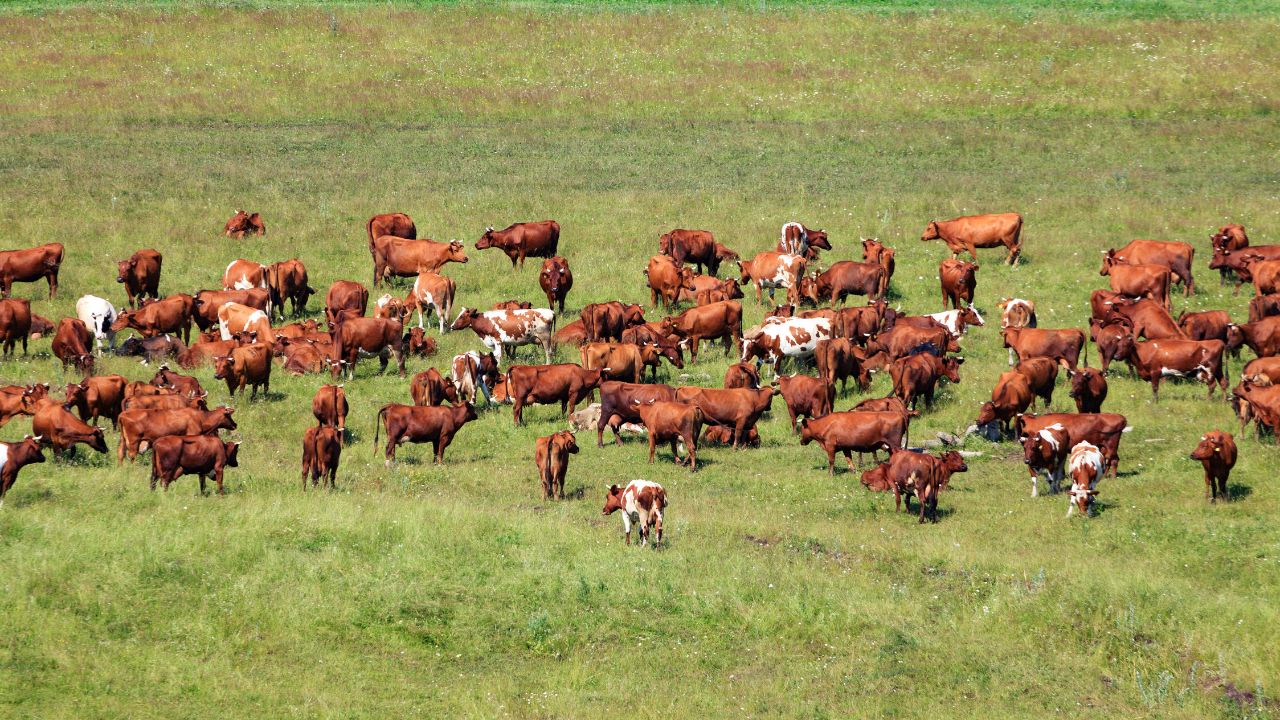


The Couple In Front Of The Grespan Group Enters Judicial Reorganization For A Debt Of R$ 147 Million, Involving Three Farms And Soy And Livestock Production. Understand The Impact Of Judicial Reorganization On Agriculture.
The couple of rural producers representing the Grespan Group entered judicial reorganization after accumulating around R$ 147 million in debts, with three farms between the states of Mato Grosso and Minas Gerais, and around 2,000 cattle.
The decision, granted by the 4th Civil Court of Rondonópolis, occurred in May of this year and now reveals how judicial reorganization becomes a solution for companies in the agricultural sector in the face of financial pressures.
The petition was motivated by factors such as rising costs, environmental embargoes, and the default of agricultural contracts — and shows why judicial reorganization is gaining relevance in the sector.
-
Brazilian Farmers Develop Wheeled Metal Lever to Ease Cassava Harvesting Without Heavy Machinery

-
Study of Brazil’s Tietê River Finds 25 Pesticides in Water, Including Cancer-Linked Substance Near Source
-
Young Entrepreneur Expands from 50 to 1,400 Chickens, Proving “Happy Hens” Can Be a Viable Business
-
Small Farm in Brazil’s Minas Gerais Produces 403 Liters of Milk Daily, Sets Benchmark for Rural Producers


Indebtedness And Origin Of The Crisis
The Grespan Group, structured by the couple Sandro Grespan and Gerusa Grespan, operates in large-scale soy production and beef cattle ranching, owning three farms in the municipalities of Serra Dourada, São Félix, and Campo Novo do Parecis (MT) and in Paracatu (MG).
According to information from the defense, the amount involved in the judicial reorganization is around R$ 102 million to be reorganized, within a total liability of R$ 147 million.
The crisis was triggered by a conjunction of external factors: rising costs during the pandemic, embargoes from IBAMA, crop failures (such as in the 2019/20 season), in addition to breached future soy contracts.
Additionally, access to credit became more restricted — lines such as the Constitutional Fund of the Midwest (FCO) and the Amazon Bank (BASA) denied financing for the group, compromising the capacity for fundamental infrastructure investment.
In light of this scenario, the decision was made to pursue judicial reorganization as a mechanism to reorganize finances and preserve assets while maintaining production operations on the farms.
What Judicial Reorganization Means
Judicial reorganization is an instrument provided for in corporate legislation that allows a company — in this case, the Grespan Group — to suspend executions on its assets for a certain period and present a recovery plan to creditors.
In the granted process, the court ensured asset protection against executions for six months and gave the group 60 days to present the plan.
This type of action is increasingly common in Brazilian agriculture: data indicates that in 2024, the sector had already recorded a record level of judicial reorganization requests.
For agriculture, judicial reorganization represents a viable alternative in the face of pressures such as rising costs, climatic instability, high-interest rates, and declining profitability — factors that render many debts unsustainable.
Therefore, it does not necessarily involve mismanagement, according to producers, but rather systemic effects from the market and the regulatory environment.
Impacts For The Couple And For The Rural Sector
The adoption of judicial reorganization by the Grespan Group has important implications.
First, for the couple of producers: the measure provides time for restructuring, prevents immediate asset sales and potential liquidation of the farms, in addition to allowing negotiations of debts under more controlled conditions.
However, it requires transparency, a well-founded recovery plan, and creditors willing to collaborate.
For the rural sector, this case serves as a warning. Agriculture is facing a new wave of indebtedness — so severe that many believed agriculture was immune to crises.
The fact that large groups are resorting to judicial reorganization shows that scale does not always protect against multiple shocks.
Furthermore, the case points to a repositioning of banks and rural credit institutions, which are becoming more demanding regarding guarantees, projects, and timelines.
This may increase the cost of capital for producers, further pressuring those who are at the limit.
Next Steps Of Judicial Reorganization
Within the judicial reorganization process, the Grespan Group has key points to follow:
- Present a recovery plan to creditors within the deadline. As stated, the defined deadline was 60 days after the granting of asset protection.
- Evaluate the productive viability of the three farms (Cristalina, Nossa Senhora das Graças, and Bom Jesus III), considering soy and cattle cultures, to ensure that the assets generate sufficient revenue to honor the plan.
- Negotiate with creditors realistically, without relying on extraordinary scenarios for recovery — given that the current crisis does not derive solely from individual errors but from external factors.
- Monitor costs, regularize environmental embargoes, and ensure productive infrastructure to restore productivity and positive cash flow.
The request for judicial reorganization from the Grespan Group — with three farms, about 2,000 cattle, and debts of R$ 147 million — emblematically summarizes the new moment of Brazilian agriculture.
Large-scale production, access to land and cattle, still do not immunize against systemic financial crises.
Thus, judicial reorganization confirms itself as an essential tool for rural businesses facing high indebtedness, rising costs, and credit restrictions.
Source: Compre Rural