






 Portuguese
  Spanish


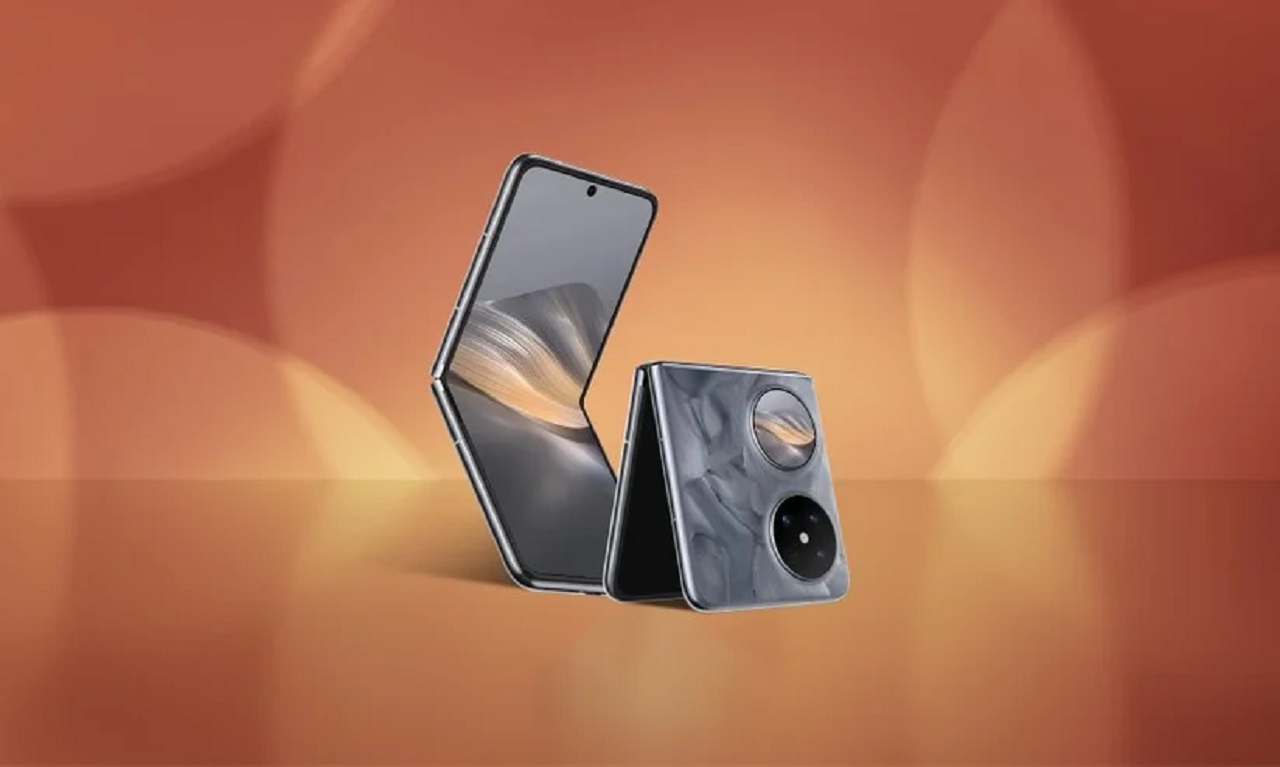

New Huawei Smartphone Has Leaked Photos And Will Be The First Foldable Phone Without Android On The Market. Check Out The Details!
The new smartphone from Huawei, which stands out for being the first option in the segment without the Android operating system, had its first images revealed by Richard Yu, the company’s CEO. The foldable phone without Android has emerged with an unprecedented format, never seen in its predecessors. Let’s explore the new smartphone and everything it can offer that is innovative to the market.
Huawei Reveals The Operating System Of Its New Smartphone! Discover The Technology Behind The Device And How It Can Impact The Mobile Market
Thus, it is expected that the foldable phone without Android will have a screen aspect ratio closer to 16:10, which means a wider and less tall display. This panel may enable new modes of use, in addition to providing a different experience in the hands of users.
Although the new smartphone has a compact “flip” foldable format, it is expected to have a secondary external screen. Similar to models like the Galaxy Z Flip 6 and the Motorola Razr 50 Ultra, the panel should allow the opening of some applications without the need to unfold the new Huawei phone.
-
China Develops Custom 140-Ton Electric Mining Truck with 770 kWh Swappable Battery, Deploys 290 Units in Xinjiang’s Largest Zinc Mine

-
Meta to Launch Arena, a New Prediction App Targeting 3.56 Billion Users, Competing with Polymarket and Kalshi

-
Scientist Challenges Famous Human Evolution Theory, Argues Homo Sapiens Evolved Gradually Over Thousands of Years
-
15-Year-Old American Builds Ocean Generator with PVC Pipe and 3D-Printed Propeller for $12, Wins National Prize, Presents at White House, and Makes Forbes 30 Under 30 List




One of the main highlights of the new Huawei phone is the operating system HarmonyOS Next, which is completely free of Android architecture.
Although it has lacked support for Google Play Store apps and services for years, the operating system present in the new smartphone is part of the Android Open Source Project (AOSP). However, the operating system ensures greater independence from Google, providing a more efficient integration between hardware and software.
Other Details Present In The Huawei Foldable Phone
Other expected features for the Huawei phone include advanced cameras, with an ultrawide lens and telephoto with up to 10x zoom. Additionally, the system of the new Huawei phone should also offer applications of artificial intelligence (AI), collaboration between different devices, and more.
The new device also promises to support collaboration with different brand gadgets, maximizing the capabilities of the system.
The Chinese company has already scheduled an event for March 20, when it is expected to showcase new devices with HarmonyOS Next. There is no forecast for the new smartphone’s sales in the national market.
With this new foldable phone without Android, the brand positions itself as a new player in the innovation of foldable smartphones, betting on an exclusive system. The expectation is that the model will push the boundaries of mobile technology, offering users a more integrated and personalized experience.
Get To Know The Operating System Of The New Huawei Phone Better
The announcement of the operating system was made during an event in 2024, and one of the highlights was the fact that it is a unified system that connects phones, tablets, smartwatches, and cars. The company emphasizes that the platform is independent of Android and Linux and offers a 30% improvement in performance and a 20% reduction in energy consumption compared to devices with the mentioned architectures.
The kernel used is one developed internally by the company and is named Hongmeng, while the software is based on OpenHarmony. The Chinese tech giant points out that the top 5,000 applications available in the country have already migrated to the new OS, which focuses on the interconnection of software. This way, users can share content seamlessly between devices, without having to perform a new installation or go through multiple steps.






