






 Portuguese
  Spanish





Makoto Uchida Resigns as Nissan CEO After Failure to Merge with Honda and Internal Crisis. Ivan Espinosa Will Take the Lead!
In a surprising decision, Makoto Uchida announced his resignation as CEO and president of Nissan after more than four years at the helm of the company. Uchida’s departure comes at a delicate time for the Japanese brand, marked by an internal crisis and the failure of the merger attempt with Honda, one of its main competitors.
The crisis, which placed the company in a vulnerable position, also resulted in a reevaluation of its global strategy.
Uchida, who led Nissan since 2019, faced growing pressure from investors and directors. With the failure of negotiations for the merger with Honda, his departure had been anticipated for some time, being a decision made after intense debates within the company.
-
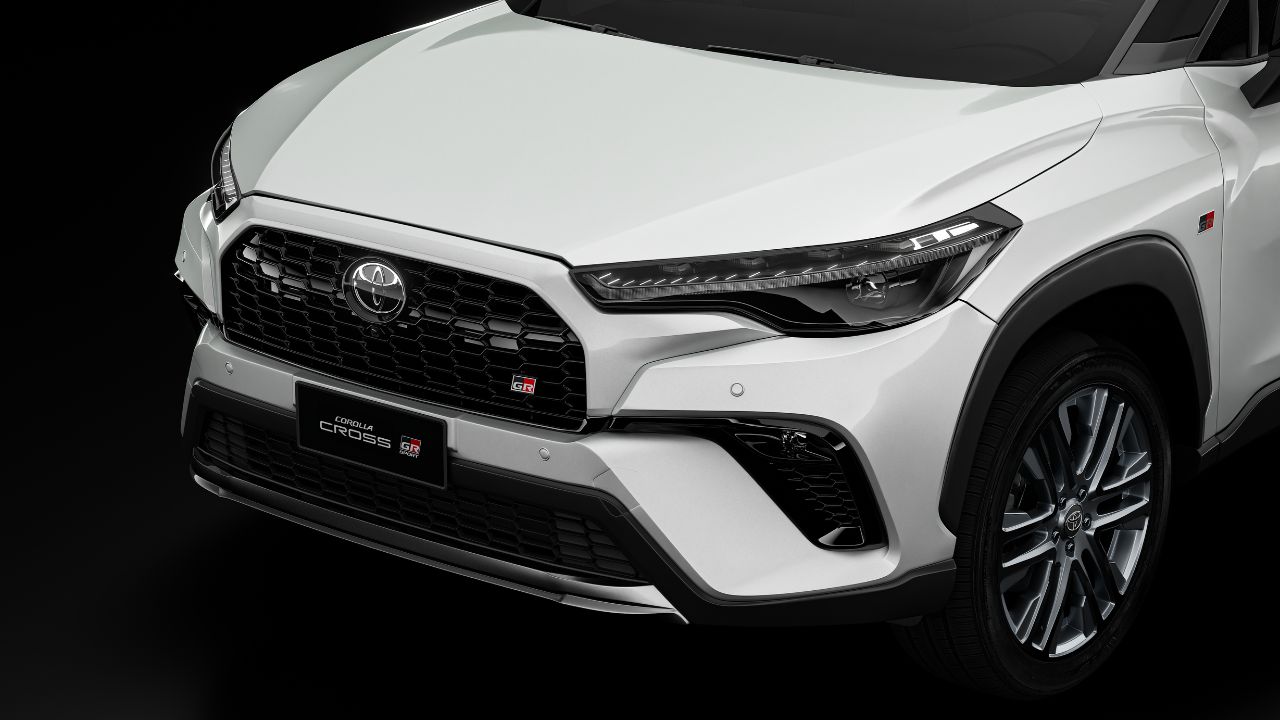
2027 Toyota Corolla Cross Unveiled: New Design, Enhanced Fuel Efficiency, Reduced Maintenance Costs, Advanced Technology, Connected Services, and Up to 10-Year Warranty

-
Fiat Cronos Precision 2018: Affordable Sedan with Spacious Trunk and Reliable Maintenance
-
Volkswagen to Cut Production by 1 Million Cars by 2030, Reducing Jobs and Platforms, Focusing on More Profitable Models

-
Toyota Launches First 100% Electric Car in Brazil: bZ4X with 343 HP, All-Wheel Drive, 361 km Range, Priced at $419,990 BRL, Limited to 99 Units



The new CEO, Ivan Espinosa, the current director of planning at Nissan, will assume the role starting in April, with the expectation of bringing a new approach to the company’s management.
Failure of the Merger with Honda: The Breaking Point
The attempt to merge Nissan and Honda generated expectations in the automotive market but ended in failure.
Initially, the two companies had discussed a partnership through a joint venture, but negotiations became complicated when Honda proposed a model in which Nissan would become a subsidiary of the rival.
After intense deadlocks, both parties decided to terminate the negotiations, ultimately frustrating plans that could have positioned the alliance between the two brands as the third-largest vehicle manufacturer in the world.
This setback in the merger process had a significant impact on Nissan’s image, especially at a time when the company sought to consolidate its position in the global market.
Furthermore, the failure exacerbated an already delicate financial situation, leading the brand to seek new investors to ensure its survival.
Financial Crisis and Reduction of Renault’s Stake
Nissan’s situation worsened when Renault, its long-time partner, decided to reduce its stake in the company.
In 2024, Renault held 47% of Nissan’s shares, but this stake was reduced to less than 40% in 2025, reflecting a decline in confidence in the future prospects of the Japanese company.
Additionally, Nissan entered “emergency mode” at the end of 2024, according to information disclosed by internal sources.
The company faced a financial crisis that, according to analyses, put the brand at risk of bankruptcy unless drastic measures were taken.
The Financial Times reported that Nissan had between 12 and 14 months to survive, depending on its ability to attract new investors.
Impact of the Crisis on Nissan’s Production in South America
Although Nissan’s financial crisis did not directly affect production in Brazil, where the company announced an investment of R$ 2.8 billion in Resende (RJ) for the production of new models, the situation in Argentina has become more critical.
The development of the new generation of Frontier pickups was suspended in Córdoba, causing tension in the local market.
The metalworkers’ union in the Córdoba region revealed that the decision to suspend production of the pickup directly affected jobs at the factory and led Nissan to revise its expansion plans in South America.
The Frontier, one of the company’s most important models, has been imported from Mexico to Brazil, but with production suspended in Argentina, Nissan may face difficulties in meeting demand.
Crisis Containment Plan and Strike in Argentina
In February, the Argentine supplier Maxion Montich, responsible for manufacturing the Frontier chassis, presented a crisis containment plan to the government, including measures such as lay-offs, salary adjustments, voluntary resignation plans, and anticipation of holidays.
This situation generated increasing pressure on Nissan, with the local union threatening to declare a strike if the company did not take more effective measures to deal with the crisis.
Given the situation, Argentina reflects the global difficulties that Nissan has faced in recent months.
Uchida’s resignation and the change in leadership with the arrival of Ivan Espinosa indicate that the company is preparing for a strategic restructuring that could impact not only production in South America but also its global presence.








