Portuguese
  Spanish


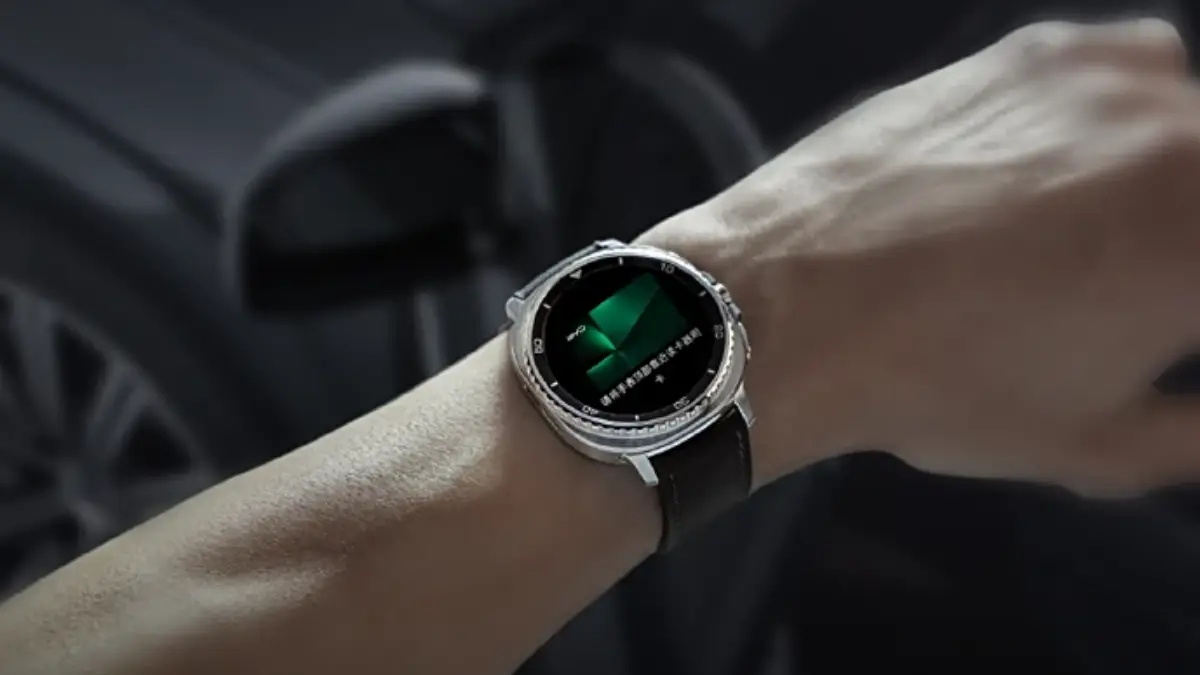

The Era of Physical Keys May Be Numbered, At Least for BYD Vehicle Owners in China.
In an innovative partnership, Samsung’s Galaxy Watch smartwatches can now be used as digital keys for BYD cars, marking a significant advancement in the integration of wearable and automotive technology.
This innovation allows drivers to unlock doors and start their cars directly from their wrists, adding a layer of convenience and futurism to daily experiences.
The Future on Your Wrist: How the New Integration Works
Samsung and BYD, the Chinese electric vehicle giant, have teamed up to bring this pioneering functionality.
-
16-Year-Old from Brazil’s Sertão Wins Young Scientist Award for AI Predicting Rainfall with 94.5% Accuracy to Aid Farmers

-
Netherlands Reports First Child Euthanasia Case Since Rule Expansion for Minors

-
Brazilian Innovator Survives Homemade Submarine Dive in Paraty Despite Hatch Leak and False Oxygen Alarm
-
China Develops Custom 140-Ton Electric Mining Truck with 770 kWh Swappable Battery, Deploys 290 Units in Xinjiang’s Largest Zinc Mine



The innovation transforms your smartwatch into an essential accessory for everyday use, eliminating the need to carry keys or even a smartphone to access and start your vehicle.
Simply bring the Galaxy Watch close to the car for it to be recognized and the door to unlock. Once inside, the watch can also authorize the engine ignition, all in a simple and intuitive manner.
This convenience is especially attractive for those looking to optimize time and reduce the number of items in their pockets. Imagine heading out for a run or a quick errand without worrying about where to stash your car keys.
Now, your watch does all the work.
A Pioneering Partnership: Samsung and BYD Lead the Innovation
According to Samsung, BYD is the first Chinese automotive brand to introduce this integration with its watches.
This demonstrates the commitment of both companies to explore new technological frontiers and offer innovative solutions to consumers.
As the automotive industry rapidly advances towards digitalization, partnerships like this solidify Samsung’s position as a leader in wearable technology and BYD as a forward-thinking automaker.
The functionality reflects a global trend of convergence, where personal electronic devices become central to controlling other gadgets and systems.
It is an important step toward a more connected and efficient ecosystem.
Supported Models and the Initial Reach of the Innovation
For the delight of technology enthusiasts, the integration is compatible with the latest and most powerful models in the Samsung Galaxy Watch line, ensuring that users have access to cutting-edge features.
The supported models include:
- Galaxy Watch 7
- Galaxy Watch 8
- Galaxy Watch 8 Classic
- Galaxy Watch Ultra
It’s important to note that, at the moment, the integration only works in China. While this news may generate great expectations in other markets, consumers outside of China will have to wait for a potential global launch.
This is a common strategy in technological innovations, where a pilot market is used to refine functionality before expanding to other regions.
However, the expectation is that, with success in China, Samsung and BYD will consider bringing this convenience to other countries soon.
The digital key functionality through the watch not only simplifies access to the car but also opens doors for future innovations in vehicle security and personalization.
Will we soon see our watches automatically adjusting seats, mirrors, and driving preferences as we approach the vehicle? The automotive future seems increasingly integrated with our wrists.
Is the arrival of this technology in Brazil and other markets closer than we think?