






 Portuguese
  Spanish
  4 min of reading
  0 comments


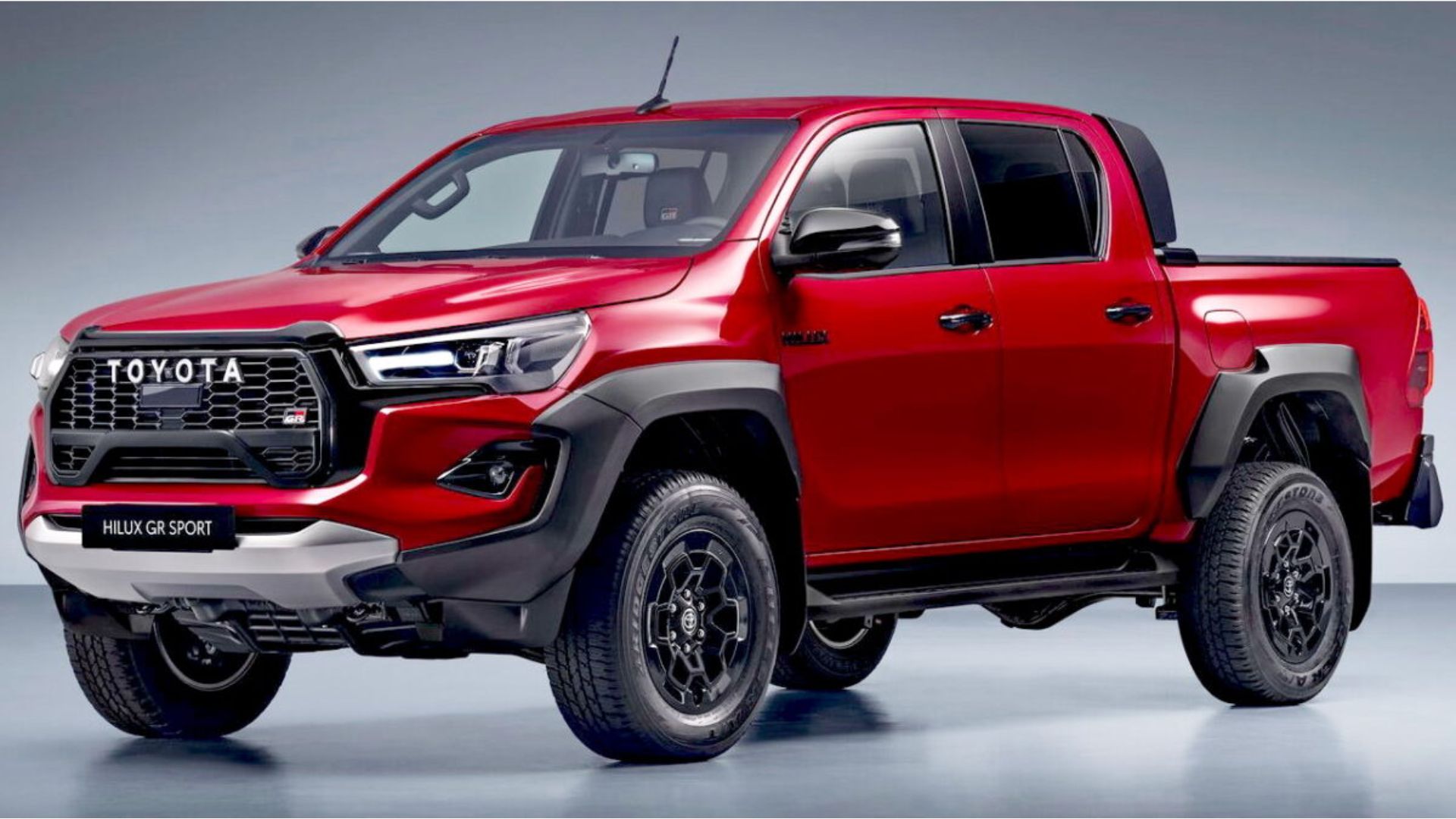
While the Brazilian consumer pays high prices for complete compact sedans, the Argentinian market reveals an unexpected scenario with a robust pickup costing less and generating a direct comparison that catches attention across South America
The South American automotive market was surprised in 2026 by a situation that seems unlikely at first glance: a cheaper Toyota Hilux than the Chevrolet Onix Plus Premier. However, despite the immediate impact of this comparison, it is important to highlight that this scenario does not occur in Brazil, but rather in Argentina, where commercial and tax strategies create completely different realities.
This information was disclosed by Garagem 360, a portal specialized in the automotive sector, based on a market analysis and updated price data in Argentina, showing how Toyota managed to position a version of the Hilux for R$ 140,550 in direct conversion.
From this, an inevitable discussion arises: how can a robust pickup cost less than a compact sedan considered premium in Brazil?
-
Uber Faces Shareholder Scrutiny as Board Accused of Ignoring Safety, Compliance, and Harassment Warnings Amid Over 3,500 U.S. Lawsuits

-
Ferrari’s First Electric Car Divides Fans, Priced at $630,000, Amid Concerns Over Limited Editions; Brand Clarifies It’s Not Just for Future Perks
-
BYD Dolphin Mini: The Electric Car That Defies Depreciation, Losing Only 3.58% in a Year and Becoming the Best-Selling Retail Model Under $22,000

-
Electric Car JAC E-JS4 Loses $19,000 in Value in One Year, Leading Record Depreciation of Used Cars in Brazil Due to Expensive Battery and New Models


Why the Toyota Hilux costs R$ 140,550 in Argentina and surpasses the Onix in cost-benefit
First of all, it is essential to understand that the version of the Toyota Hilux sold for R$ 140,550 is not aimed at the traditional urban consumer. On the contrary, it is a configuration designed for heavy-duty work, focusing on fleet operators, companies, and rural producers.
Moreover, this strategy allows for significantly reducing the vehicle’s costs. This happens because the manufacturer eliminates comfort items, technology, and refined finishes, prioritizing mechanical resistance, load capacity, and durability — fundamental characteristics for professional use.
Meanwhile, in Brazil, the Chevrolet Onix Plus Premier, when configured with options like special colors, already reaches a price of R$ 141,090. In other words, the Brazilian consumer pays more for a complete compact sedan than an Argentine does for a basic robust pickup.
Consequently, this difference highlights the direct impact of the tax burden, logistical costs, and market positioning between the countries.
Differences between basic Hilux and Onix Premier explain the comparison that went viral

On the other hand, it is essential to highlight that directly comparing the two models requires caution. After all, they have completely distinct proposals.
On one side, the basic Argentine Hilux delivers robustness, reinforced chassis, and total focus on work. Therefore, it is widely used in rural areas and logistics operations, where durability is an absolute priority.
On the other hand, the Onix Plus Premier bets on technology, connectivity, and comfort. Thus, it positions itself as a premium compact sedan aimed at urban use, offering advanced multimedia center, refined finish, and safety features.
Thus, although the price of the Hilux draws attention, the target audience for each model is completely different — which explains why this comparison went viral on social media and generated so much curiosity.
Toyota’s strategy with simplified versions may change the automotive market


Another relevant point is the advancement of Toyota’s global strategy with more accessible platforms. In this context, models like the Hilux “Champ” line and chassis-cab variants gain prominence in emerging markets.
As a result, the automaker can aggressively reduce production costs by eliminating aesthetic elements and focusing only on the essentials. Consequently, traditionally expensive vehicles begin to compete in lower price ranges.
Moreover, this trend may directly influence the future of the Brazilian market. After all, if these strategies are adapted to the country, there is a possibility of more affordable versions of the Hilux emerging here.
Is it worth importing a Hilux cheaper than the Onix to Brazil?
Despite the extremely attractive price in conversion, importing a Hilux from Argentina is not a viable alternative for the Brazilian consumer.
This is because, when considering import taxes, homologation fees, and logistical costs, the final value of the vehicle would easily exceed R$ 140,550, reaching much higher levels.
Therefore, in practice, the Chevrolet Onix Plus Premier remains the most affordable option within Brazil, mainly due to its factory warranty and extensive assistance network.

Hilux cheaper than Onix reveals distortions and raises debate about prices in Brazil
In summary, the fact that a Toyota Hilux costs less than an Onix in direct conversion does not mean a real buying opportunity for Brazilians, but rather a reflection of the economic and strategic differences between the markets.
Still, this scenario serves as a warning. It highlights how automotive inflation in Brazil, combined with high tax burdens, directly impacts the consumer’s purchasing power.
Finally, it remains to be seen whether movements like this in Argentina will influence the future of prices and the versions available in Brazil — something that could completely change the way the public perceives models like Hilux and Onix in the coming years.
And you, would you pay over R$ 141 thousand for a Chevrolet Onix Plus Premier or would you prefer a simpler, yet robust Toyota Hilux for a lower price — even knowing the differences between the markets?





Be the first to react!