Portuguese
  Spanish


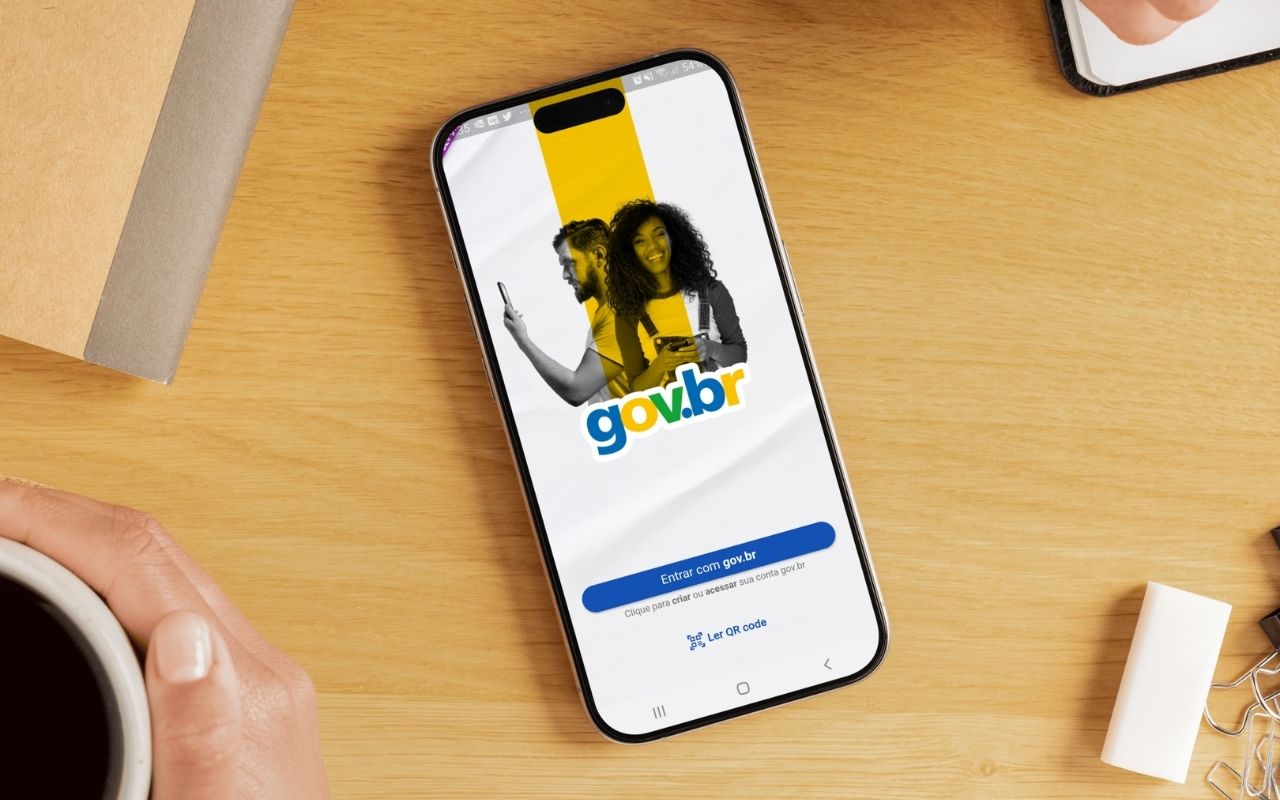

Mandatory digital check-in in Brazilian hotels integrates Gov.br system and allows registration before arrival.
The check-in process in hotels in Brazil officially changed on April 20, with the mandatory digital registration of guests in all accommodation facilities. The measure was defined by the Ministry of Tourism and requires hotels, inns, and hostels to use a platform integrated with Gov.br. The new rule allows travelers to pre-fill their data even before arriving at their destination, streamlining entry and replacing the old paper form.
Digital check-in with Gov.br becomes mandatory nationwide
Since the beginning of the new requirement, establishments registered in the official tourism system must adopt the digital guest registration form. The change directly alters how check-in is performed, making the process faster and more standardized.
Furthermore, the digital form replaces the physical model previously used, although control remains mandatory. As a result, the sector now operates in a more integrated manner with fewer in-person steps.
-
Cold War Secret Plane Lost Engine Mid-Flight, Forcing Six to Parachute in Darkness; Wreckage Remains in Death Valley Mountains 73 Years Later

-
Opened in 1980, Shopping Recife was Pernambuco’s first mall and helped transform Boa Viagem into a bustling and sought-after district in southern Recife.
-
Tired of Monthly Water Supply, South African Villagers in Limpopo Connect Mountain Spring to Taps, Bringing Water to 5,000 People with $700 Initiative

-
Rare Case of Neurocysticercosis in Spain: 60-Year-Old Man’s Suspected Brain Cancer Turns Out to Be Tapeworm Cysts, Avoiding Invasive Cancer Treatments





One of the main points of the new rule is the direct connection with the Gov.br system. The platform can be accessed via mobile phone or computer, allowing travelers to perform advance check-in.
Upon arrival at the accommodation, the procedure becomes simpler. Simply present an original identification document to receive the key or room access. This integration reduces queues at the reception and improves the guest experience, especially during peak periods.
Penalties for non-compliance with the check-in rule
Establishments that ignore the mandatory digital check-in may face consequences. The measure provides for administrative processes, as well as warnings and the application of fines.
The requirement applies to establishments registered in the Register of Tourist Service Providers, reinforcing the need to adapt to the new guidelines.


How digital check-in with a Gov.br account works in practice
Access to the system can be done in different ways. Many hotels send the link directly to the customer after booking confirmation. In other cases, access is provided via quick response codes at the location itself.
The process includes simple steps:
- Access to the official system or QR code scan via mobile phone
- Login with Gov.br account using CPF and password
- Enter reservation code and accommodation dates
- Review and submit information
After submission, the reservation status is automatically updated. The platform also allows adding companions to the same registration. This is useful for families or groups sharing the same room.
The responsible person can add dependents by providing basic data such as name, document, and date of birth. After that, simply link these individuals to the main reservation and complete the process. In the case of minors under 18, the registration is associated with the legal guardian.
Foreign tourists can also use check-in
Travelers from other countries do not need to create an account in the Brazilian system to perform check-in. Validation can be done with a passport number or another international document. This adaptation expands access to the system and keeps the process simplified for those coming from outside the country.
The adoption of digital check-in represents a structural change in Brazil’s tourism sector. By centralizing data on a platform integrated with Gov.br, the process becomes faster, more organized, and more accessible.
In addition to reducing in-person steps, the new requirement helps standardize service in hotels and other accommodation facilities throughout the country.
With information from Tudo Celular