Portuguese
  Spanish


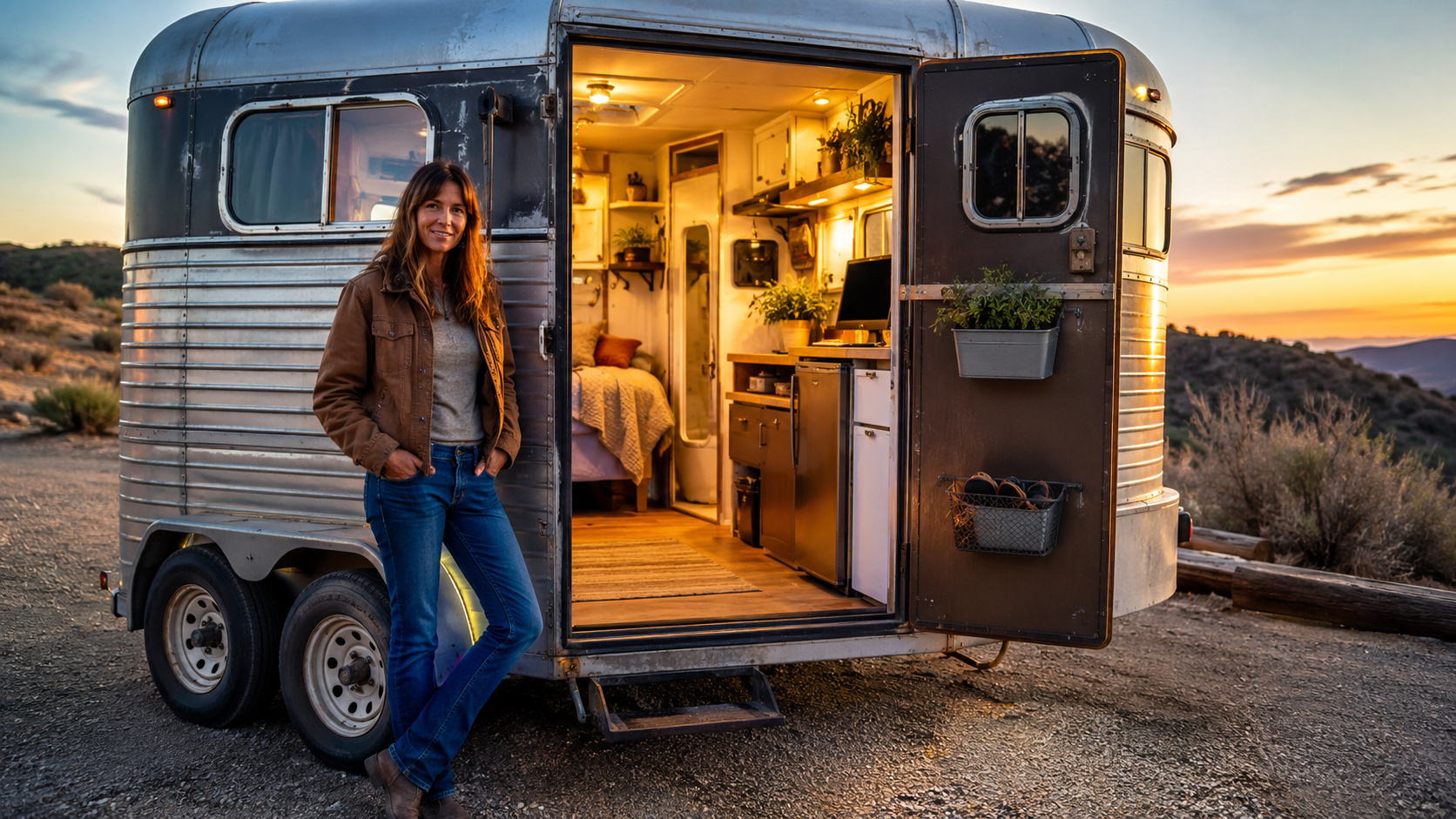

The conversion of a horse trailer manufactured in 2000 removed transport partitions and redistributed the internal structure to accommodate a bed, kitchen, bathroom, and work area, concentrating in a compact space challenges of ventilation, weight, and structural utilization.
A horse trailer manufactured in 2000 underwent a conversion that involved removing the internal partitions, reusing the metal structure, and redistributing a space created for animal transport.
More than a change of residence, the project shows how old trailers can receive a new function through renovations that involve carpentry, organization of installations, and efficient use of space.
The result transforms a specific cargo vehicle into a mobile solution that combines rest, work, and travel.
-
Rare Case of Neurocysticercosis in Spain: 60-Year-Old Man’s Suspected Brain Cancer Turns Out to Be Tapeworm Cysts, Avoiding Invasive Cancer Treatments

-
Life in the Arctic: Surviving Months of Darkness, Frozen Seas, and Isolation Until the Thaw

-
Few realize Brazil’s longest internal border stretches 1,652 km
-
Former banker from Brazil invests $20,000 in açai shop, expands to 18-store chain with $2 million revenue


The information was released by CheapRVliving, a YouTube channel focused on mobile living. The adaptation started from a narrow and low structure, created for horses, not for a person to live and work every day.
The 2000 horse trailer that changed function
The starting point was a space aimed at horse transport. Inside, there were elements necessary to accommodate animals during travel, which made the environment far from a common house.


The conversion required the removal of the internal partitions to open up space. The change allowed the trailer to be reorganized as a compact dwelling, with areas designated for the basic needs of daily routine.
The result does not reproduce a traditional residence. The proposal takes advantage of every available part and transforms an old structure into a place for daily use.
Removal of partitions opened up space for a mobile home
The partitions used to separate the animals occupied much of the interior. Without them, the trailer now has a more open area to accommodate furniture, personal items, and the equipment necessary for its new function.
In a mobile home, circulation space makes a difference. An object placed in the wrong spot can hinder passage, rest, and even food preparation.
Therefore, the adaptation needed to combine functions in a few meters. The interior ceased to be just a transport area and started to accommodate a living routine.
Bed, kitchen, bathroom, and work in the same environment
The bed created a resting area inside the trailer. The kitchen began to serve meal preparation without relying on a fixed house during trips.
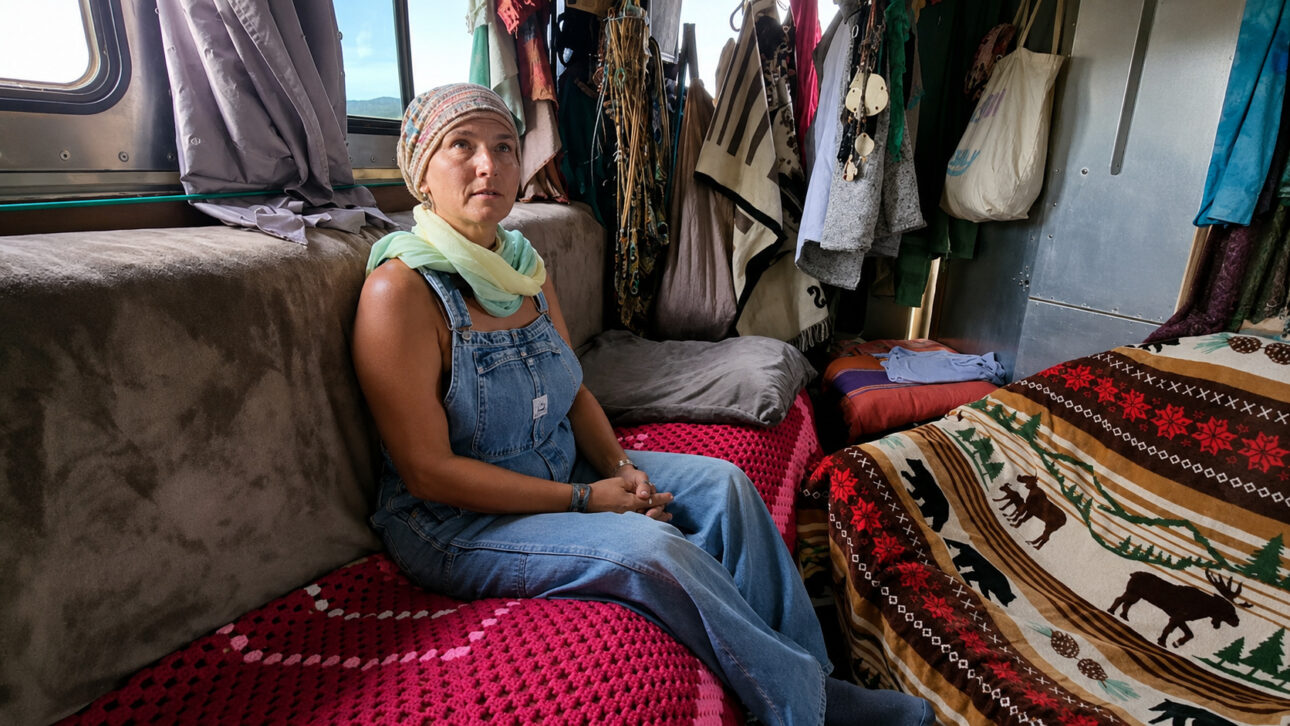
The bathroom brought an important function for privacy. Meanwhile, the workspace allowed for maintaining professional tasks within the mobile home itself.
CheapRVliving, a YouTube channel about mobile living, showcased the conversion of a horse transport trailer into a compact internal-use structure. The project highlights the removal of partitions, the redistribution of functional areas, and the technical limits of installing a bed, kitchen, bathroom, and workspace in a vehicle made for another purpose.
Seven years traveling and working inside the trailer
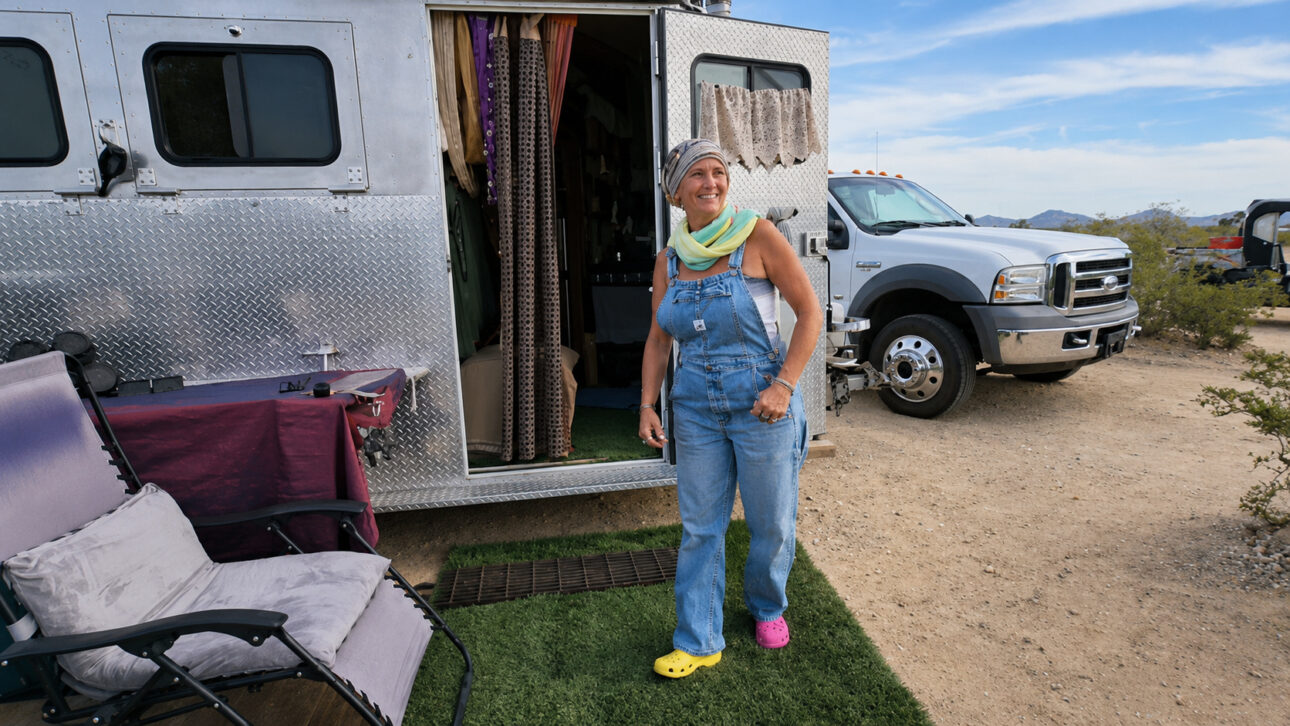
The seven-year journey shows that the transformation was not just for a short trip. The trailer began to accompany a prolonged routine of travel, rest, and work.
Living in a mobile home requires constant organization. Clothes, utensils, food, and work items need to be stored practically to avoid blocking the limited available space.
The main impact is the change in the vehicle’s function. A trailer created to carry horses began to support a person’s life during years of travel.
Ventilation, weight, and safety require care in adaptation
Ventilation is important in any small space, as it helps to renew the air and improves comfort inside the trailer. The environment needs to remain usable even when doors and windows are closed.
The weight also deserves attention. Bed, furniture, utensils, and work items increase the load carried, which requires care before placing new objects inside.
Safety is involved in every choice. Those considering adapting a trailer need to check the vehicle’s condition and the rules of the place where they intend to circulate or stay, without treating a conversion as automatically regularized housing.
Transforming a 2000 horse trailer into a mobile home required completely reorganizing a space made for animals. Removing the partitions paved the way for a routine with rest, food, hygiene, and work in the same environment.
What technical precautions should be prioritized in converting a transport trailer into a compact internal use structure, especially regarding ventilation, weight, and equipment fixation? Leave your opinion in the comments.