






 Portuguese
  Spanish
  5 min of reading
  0 comments


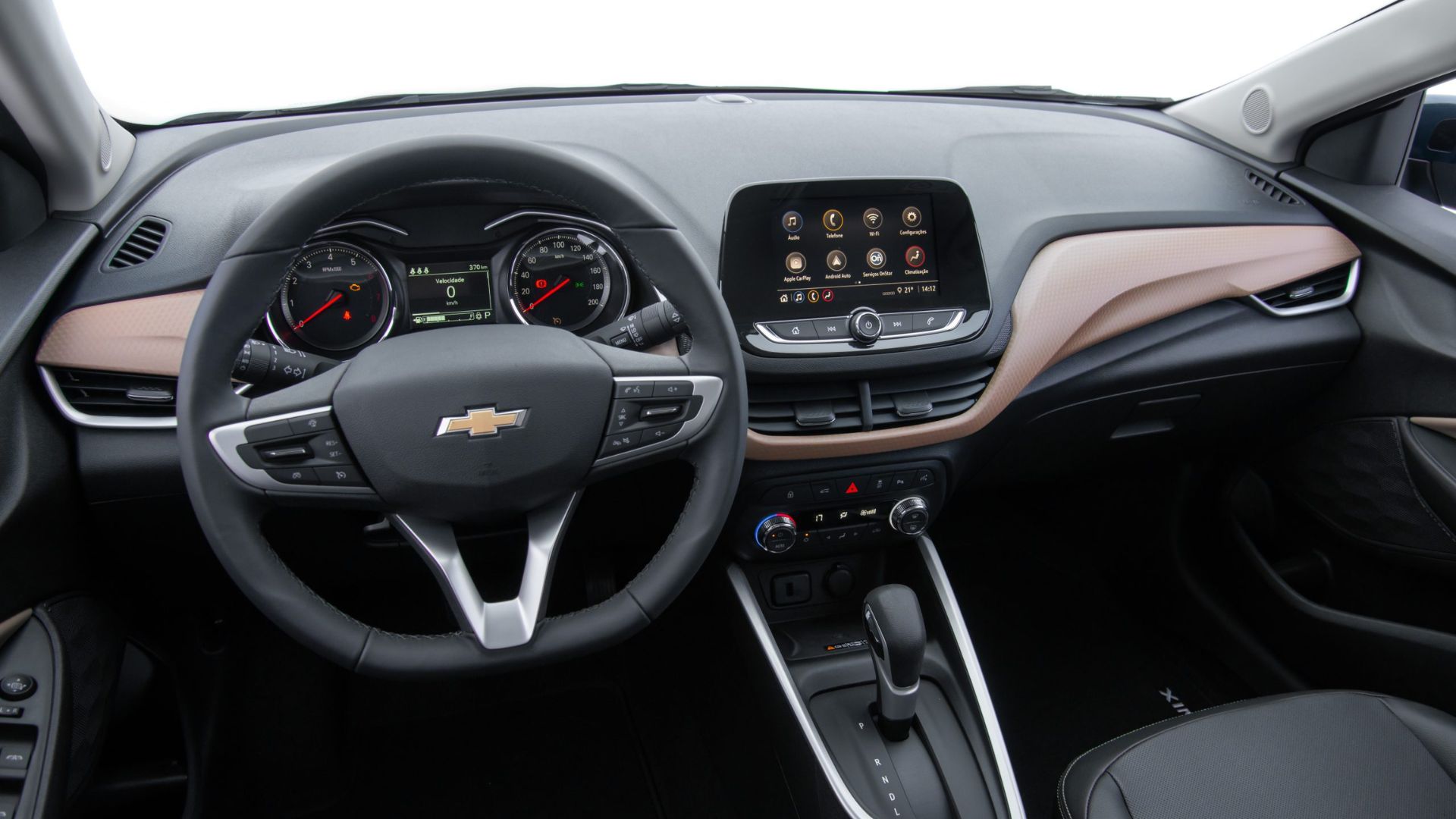
Compact Sedans Remain Relevant in Brazil, with Trunks That Surpass Hatches and Economical Engines. Models like Chevrolet Onix Plus, Hyundai HB20S, and Fiat Cronos Show Why They Still Attract Rideshare Drivers, Families, and Professionals.
Even with the growing preference for SUVs, compact sedans remain a practical alternative for those who need good space and do not want a taller vehicle.
Among taxi drivers, rideshare drivers, and families, the appeal lies in the generous trunk and the typically lower acquisition cost compared to a similar utility vehicle.
Below, see how six models sold in Brazil stand out for their luggage capacity and engines that, in the scope of this survey, reach 126 hp.
-
Uber Faces Shareholder Scrutiny as Board Accused of Ignoring Safety, Compliance, and Harassment Warnings Amid Over 3,500 U.S. Lawsuits

-
Ferrari’s First Electric Car Divides Fans, Priced at $630,000, Amid Concerns Over Limited Editions; Brand Clarifies It’s Not Just for Future Perks
-
BYD Dolphin Mini: The Electric Car That Defies Depreciation, Losing Only 3.58% in a Year and Becoming the Best-Selling Retail Model Under $22,000

-
Electric Car JAC E-JS4 Loses $19,000 in Value in One Year, Leading Record Depreciation of Used Cars in Brazil Due to Expensive Battery and New Models


Criteria for Selecting the Models
The ranking considers compact sedans in current production or sale in Brazil and prioritizes the trunk volume declared by the manufacturers.
The powers reported are the official figures for each common engine variant in the lineup.
Prices mentioned are based on public tables and official advertisements available between July and September 2025, and may vary by region and version.
Chevrolet Onix Plus: 469 Liters and Two 1.0 Engine Options
Renovated for the 2026 line, the Onix Plus offers 469 liters of trunk space and maintains its focus on efficiency.
The entry-level versions use a 1.0 naturally aspirated engine with up to 82 hp with a six-speed manual transmission.
In the higher configurations, it features a 1.0 turbo engine with 116 hp, which can be combined with a six-speed automatic transmission.
During the observed period, the range varied from versions with an initial price around R$ 106.8 thousand to options close to R$ 136.5 thousand, according to the positioning announced for 2026.
In addition to its volume, the sedan from Chevrolet is known for its low fuel consumption and comprehensive safety package, with six airbags standard across the lineup.
Connectivity has been updated recently, and there are panels with larger screens in the higher-end versions.
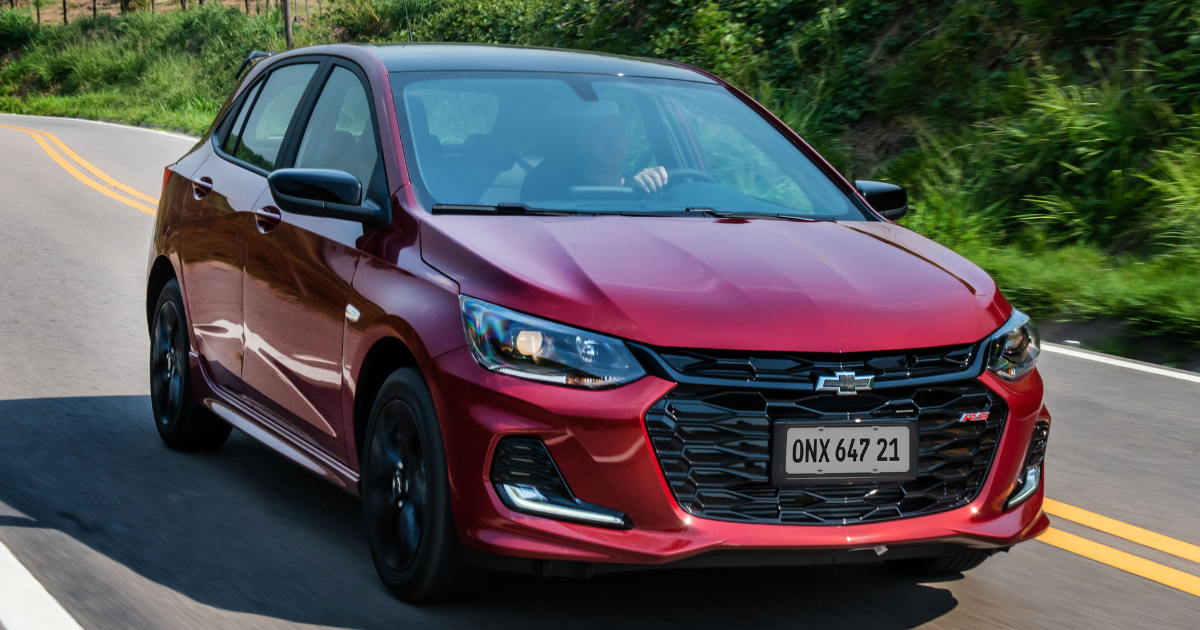
Hyundai HB20S: 475 Liters and Turbo Option of 120 hp
The Hyundai three-volume model, also known as HB20S, accommodates 475 liters in the trunk.
The range combines the 1.0 naturally aspirated (80 hp) with a manual transmission in the more accessible versions and the 1.0 turbo GDI with 120 hp with a six-speed automatic in others.
In 2025, the prices announced by dealers and manufacturers generally ranged between R$ 97 thousand and R$ 128 thousand, depending on the equipment level.
The model includes conveniences like smart trunk opening by proximity in selected versions, an item that reinforces the practicality for urban use and trips.
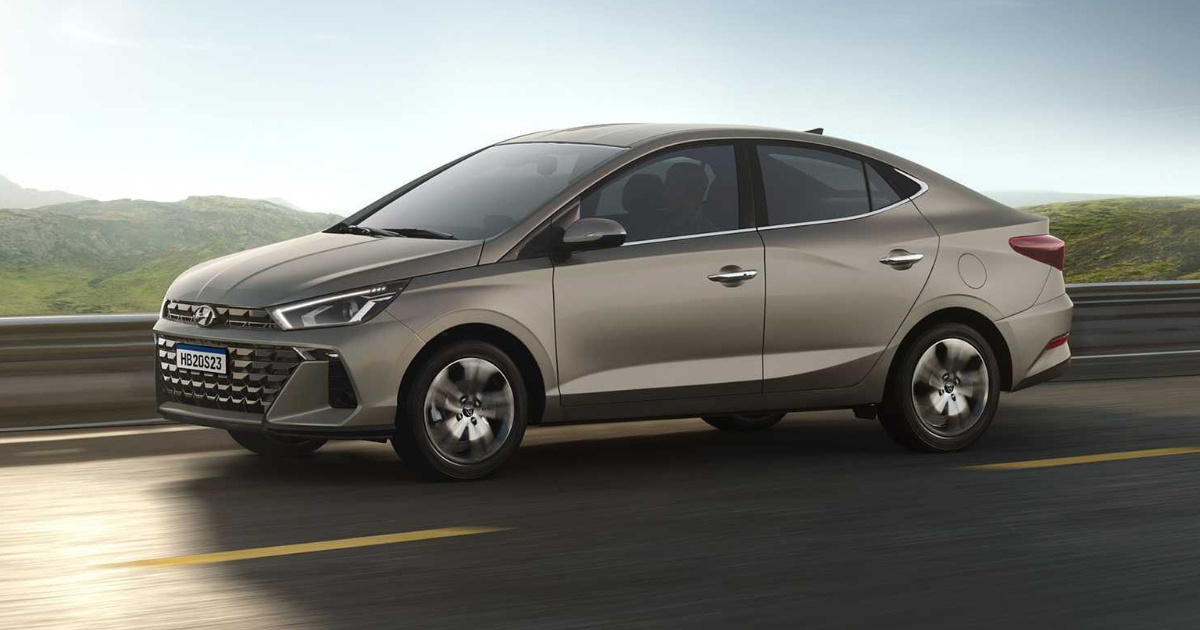
Nissan Versa: 482 Liters and 1.6 CVT Set
Manufactured in Mexico and well adapted to the Brazilian market, the Versa offers 482 liters of capacity.
The entire lineup uses the 1.6 16V naturally aspirated engine with 113 hp on ethanol and 110 hp on gasoline, always linked to the CVT automatic transmission with simulated gears.
In mid-2025, the listed prices ranged from about R$ 118 thousand (Sense/Advance) to just over R$ 140 thousand for the more equipped versions found in the network.
In addition to the volume, the sedan provides good space for passengers and a driver assistance package that includes items such as collision warning with autonomous braking in higher versions.
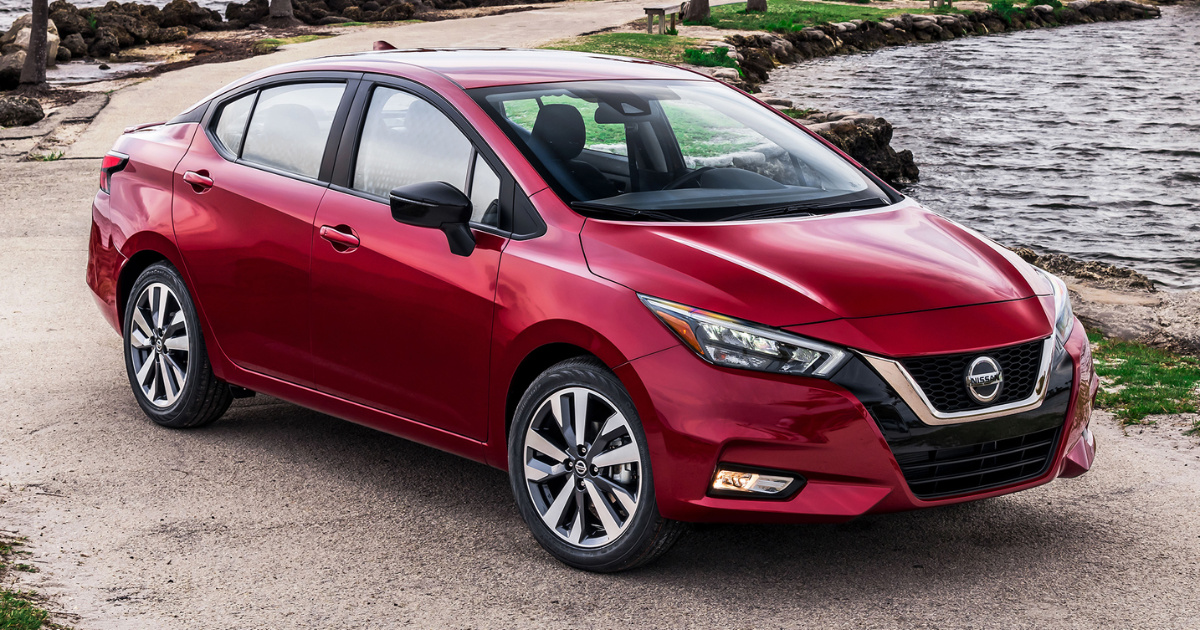
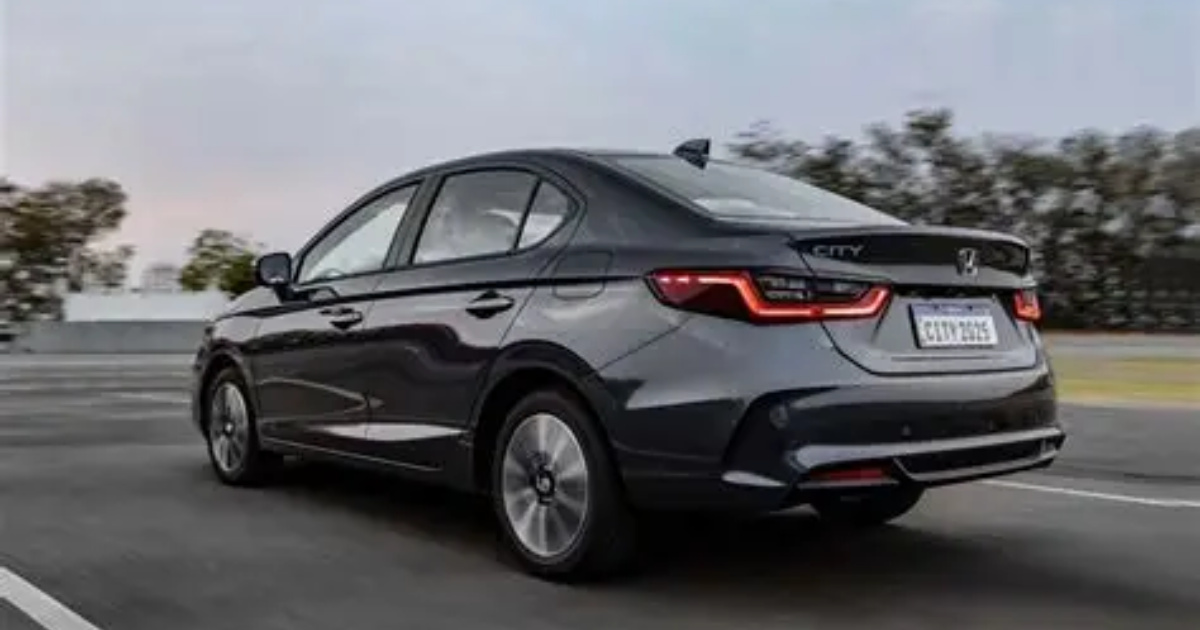
Honda City Sedan: 519 Liters and 1.5 Engine with 126 hp
The City Sedan operates at the top of the subsegment in trim and equipment, offering 519 liters of trunk space.
The entire lineup adopts the 1.5 16V with 126 hp and CVT transmission that simulates seven gears.
In April–September 2025, the suggested public prices indicated R$ 117.5 thousand in the entry-level versions and up to R$ 150.8 thousand at the top.
Among the recent differentiators are driver assistance systems standard in more versions and updated connectivity features, keeping the sedan competitive in terms of comfort and safety.
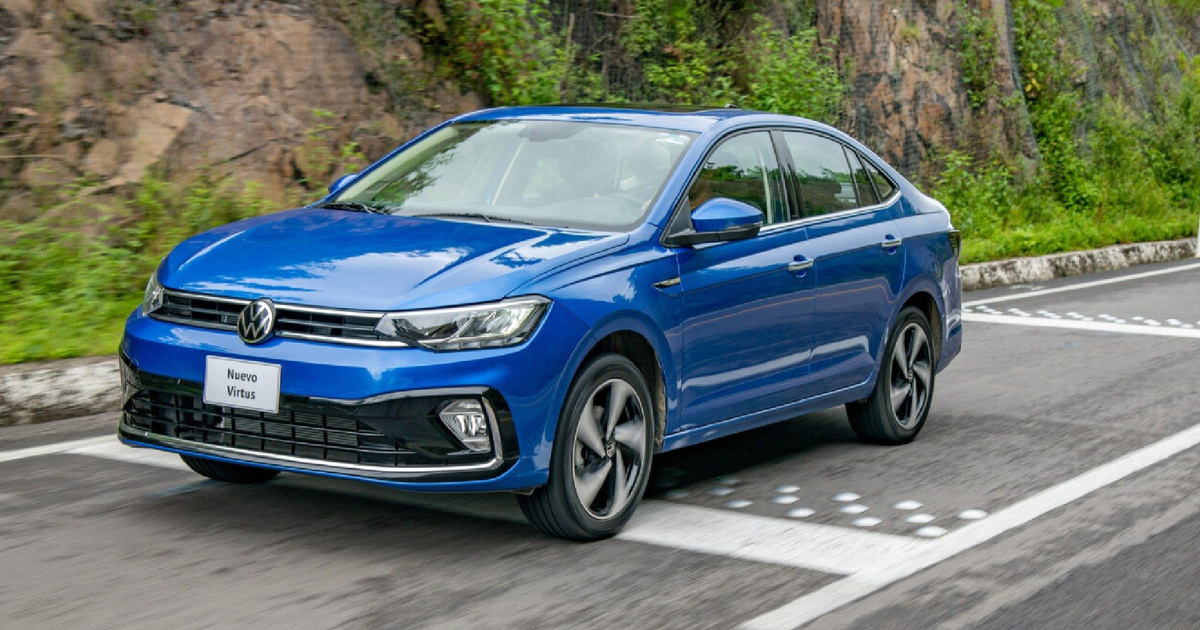
Volkswagen Virtus: 521 Liters and a Wide Variety of Versions
According to Volkswagen, the Virtus has 521 liters and offers the broadest range in the group.
The versions with 1.0 TSI deliver 116 hp on gasoline and up to 128 hp on ethanol, with manual or six-speed automatic transmission depending on the configuration.
There are also variants with the 1.4 TSI offering 150 hp in high-end trims, which exceed the power range of this text.
In 2025, the official prices ranged from around R$ 108.9 thousand and reached higher levels in the more equipped series.
For those who prioritize luggage, the Virtus combines a spacious trunk with good interior space and a technology package that, in intermediate versions, already includes a digital panel and a complete multimedia center. Fiat Cronos: 525 Liters and Two Firefly Options
Leading in volume among compact sedans, the Cronos carries 525 liters of luggage.
The lineup offers the 1.0 Firefly with up to 75 hp with a five-speed manual transmission and the 1.3 Firefly with 98 hp (G) to 107 hp (E), which can come with CVT simulating seven gears.
In 2025, the price range observed in the network varied by version and region, with equipped 1.3 configurations positioned closer to R$ 120 thousand and the 1.0 options at lower levels.
With recognized maintenance and an essential item package, the Cronos stands out for its simple proposal and the largest trunk in the group, a feature valued by those who work in the car or frequently drive on highways.
Why Sedans Still Resist
Aside from the price compared to SUVs, the three-volume design usually ensures a larger trunk than similarly sized hatches.
In professional applications, this is as important as fuel consumption and durability.
For families, the equation also includes good interior space, comfort on trips, and predictability in costs.
Even though the trend for utilities remains strong, the capacity figures of 469 to 525 liters show why these six sedans continue to be on the shopping list for those who need to carry a lot of luggage.
Among them, which one combines best with your daily use and available budget?





Be the first to react!