Portuguese
  Spanish


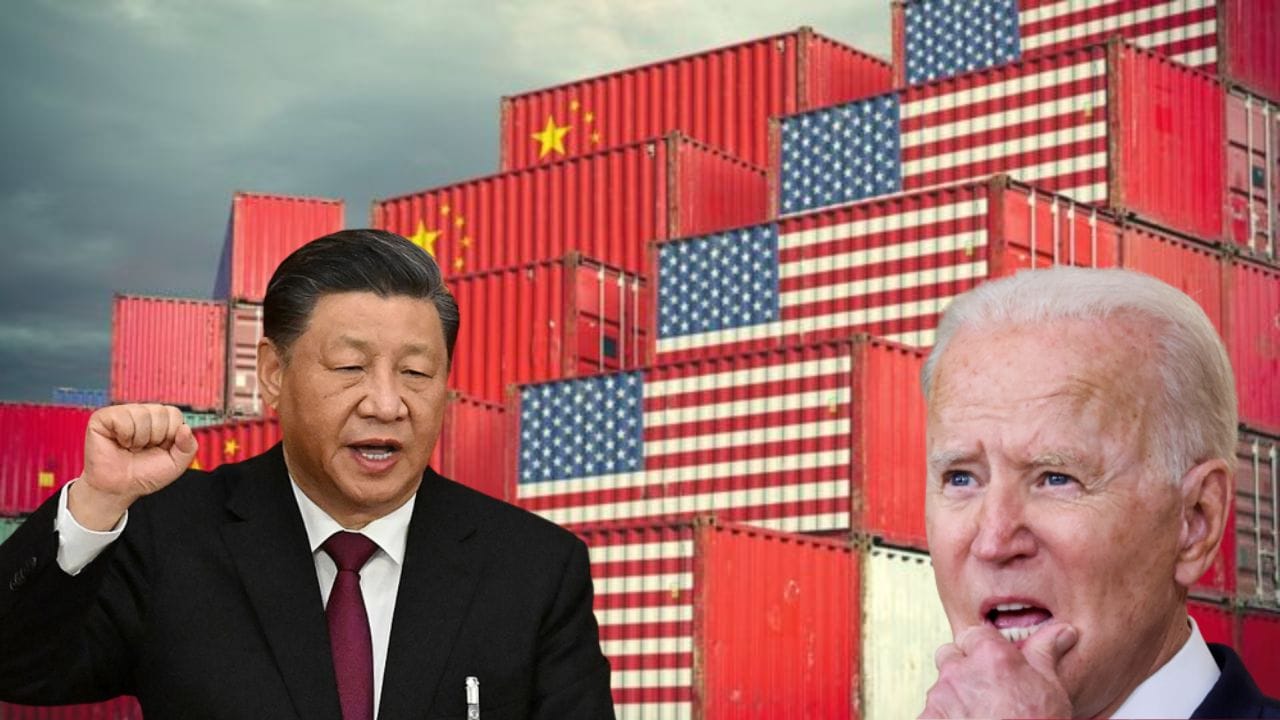

Unexpected Maneuver Shakes Automotive Market and Global Economic Relations. Fair Situation for the United States and China.
The world of international trade was shaken by the recent news that China canceled a monumental order for cars worth US$ 250 billion that was to be fulfilled by the United States.
This event marks a significant moment in the already tense relationship between the United States and China and has profound implications for both the automotive industry and global geopolitics.
Why Did China Cancel the Order?

Several reasons have been suggested for this abrupt cancellation. Geopolitical tensions and trade disputes between the United States and China have been pointed out as influencing factors.
-
Labor shortage reaches the truck drivers’ area: Brazil is already facing a deficit of 120,000 drivers, 65.1% of transport companies feel the impacts, and Mercedes-Benz strengthens training in the face of the new generation of technological trucks.

-
An important sector in Brazil is suffering from a labor shortage, requiring the qualification of 14 million workers by 2027, leading companies to invest R$ 5 million to train professionals and address the technical deficit.
-
End of an era in Brazil: beloved sedan by Brazilians is discontinued despite having a 2.0 engine with 151 hp, CVT transmission, 466-liter trunk, and up to 650 km of range.
-
With a record production of nearly 3 million barrels per day, Petrobras resumes importing diesel in July, highlighting the bottleneck in Brazilian refining.



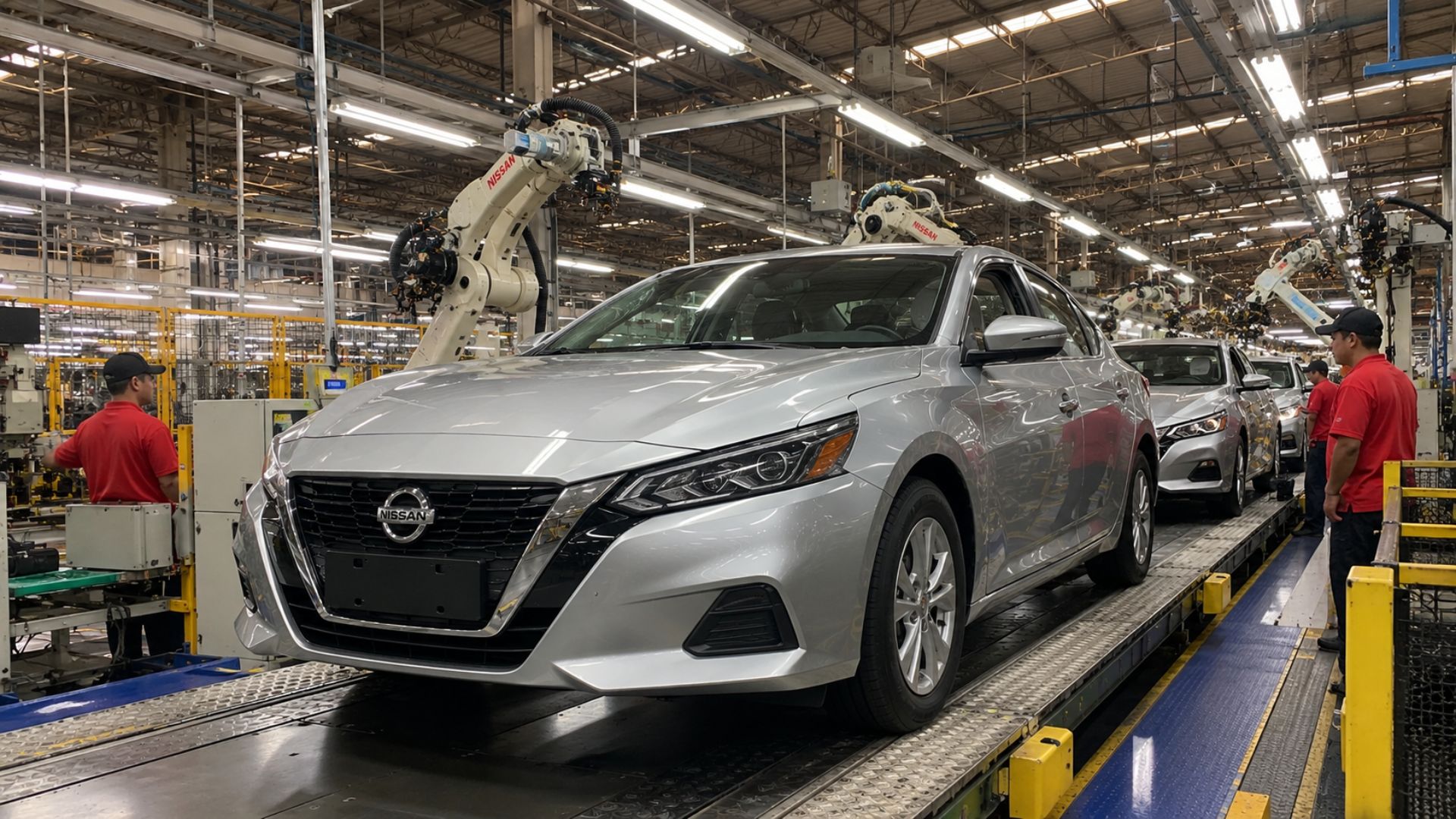
China has made significant advances in electric vehicle production, which may have contributed to the decision to avoid reliance on American imports. The loss of this massive order sends a warning signal to the American automotive industry.
At a time when American manufacturers are already facing reduced demand, the cancellation represents a substantial loss of revenue and could have cascading effects throughout the supply chain, putting thousands of jobs at risk.
Shockwaves in the Global Economy
It is not just the United States economy that is feeling the impact. The cancellation sends a cold signal for global trade relations. Other nations that depend on exports to the United States and China may feel unstable, fearing additional economic consequences.
Many analysts view this decision by China as a strategic maneuver to exert economic pressure on the United States. This attitude reinforces China’s growing economic power and its willingness to use this influence as a tool in its international interactions.
Consequences for the Future of Electric Vehicles
The order included a large quantity of electric and hybrid vehicles, the cancellation of which may raise questions about the future of this growing industry.
However, China has been heavily investing in its own electric vehicle industry, suggesting that the cancellation may have been motivated more by internal strengthening objectives than by a lack of demand.
Both countries, the United States and China, may be compelled to rethink their trade and diplomatic strategies, strengthening regional relations without replacing the immense potential they represent for each other.