






 Portuguese
  Spanish


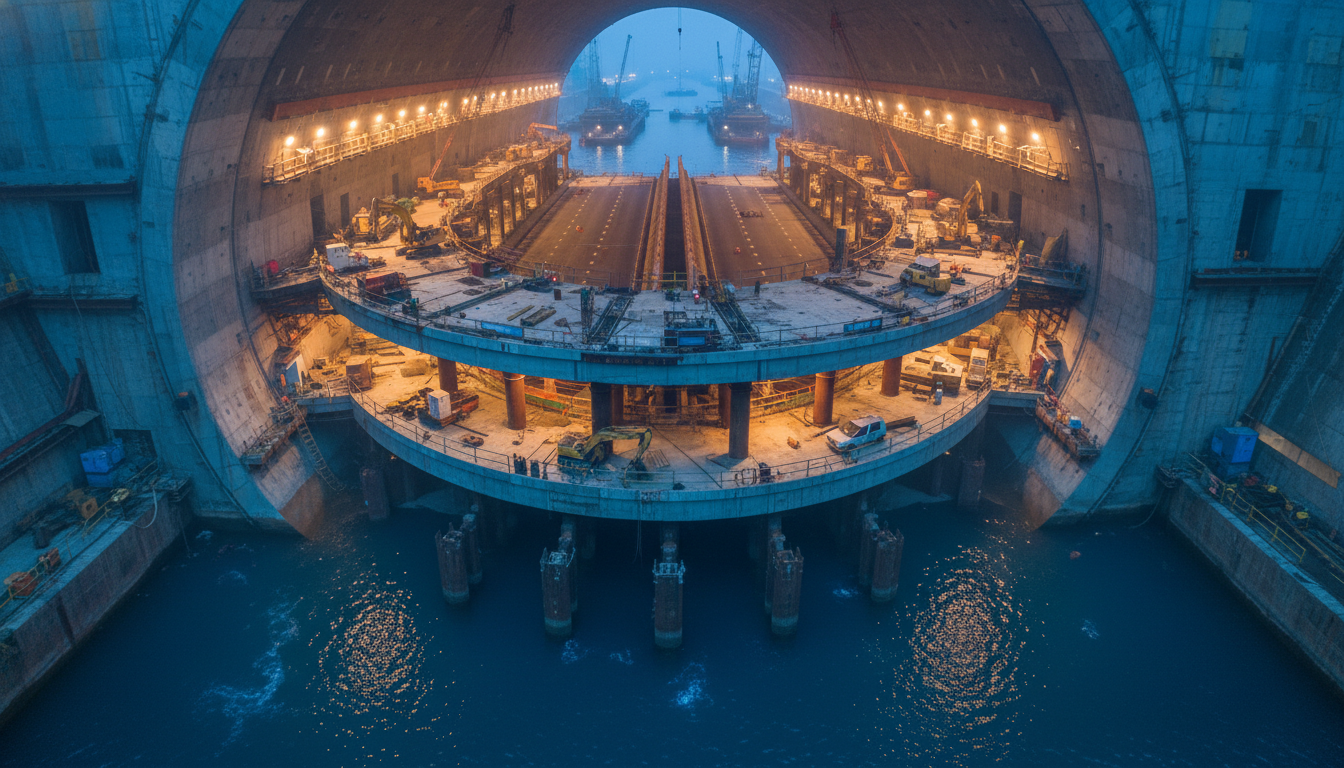
China has completed the main section of the world’s largest diameter underwater tunnel under the Yellow River, in Jinan, capital of Shandong province. According to a report by People’s Daily, the structure will have a two-level highway with six lanes in total and is expected to open to traffic in September 2026.
The record lies in the useful diameter of the shield: 17.5 meters. To compare, it is taller than a five-story building. This caliber places the work above any underwater road tunnel ever built on any continent.
The piece that does the work is a TBM — Tunnel Boring Machine — named “Shanhe”. It is 163 meters long and weighs 5,200 tons. It left the assembly line in May 2024 and began operating on the construction site in September of the same year.
-
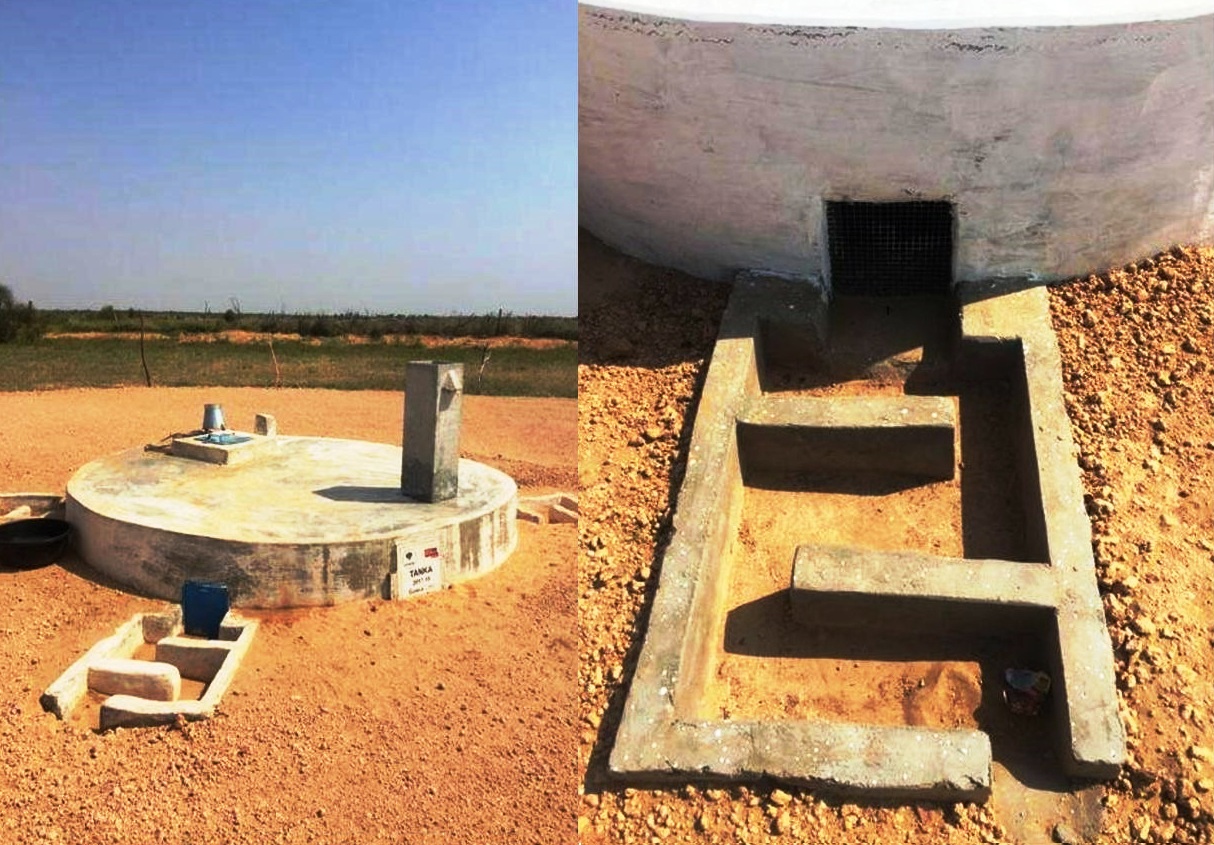
In the World’s Most Densely Populated Desert, Families Dig Funnel-Shaped Underground Cisterns to Capture Rare Rainfall and Store Drinking Water for Up to Eight Months

-
Smart Glass Revolutionizes Privacy: Touch-Activated Opacity Transforms Windows into Connected Home Features with App and Voice Control

-
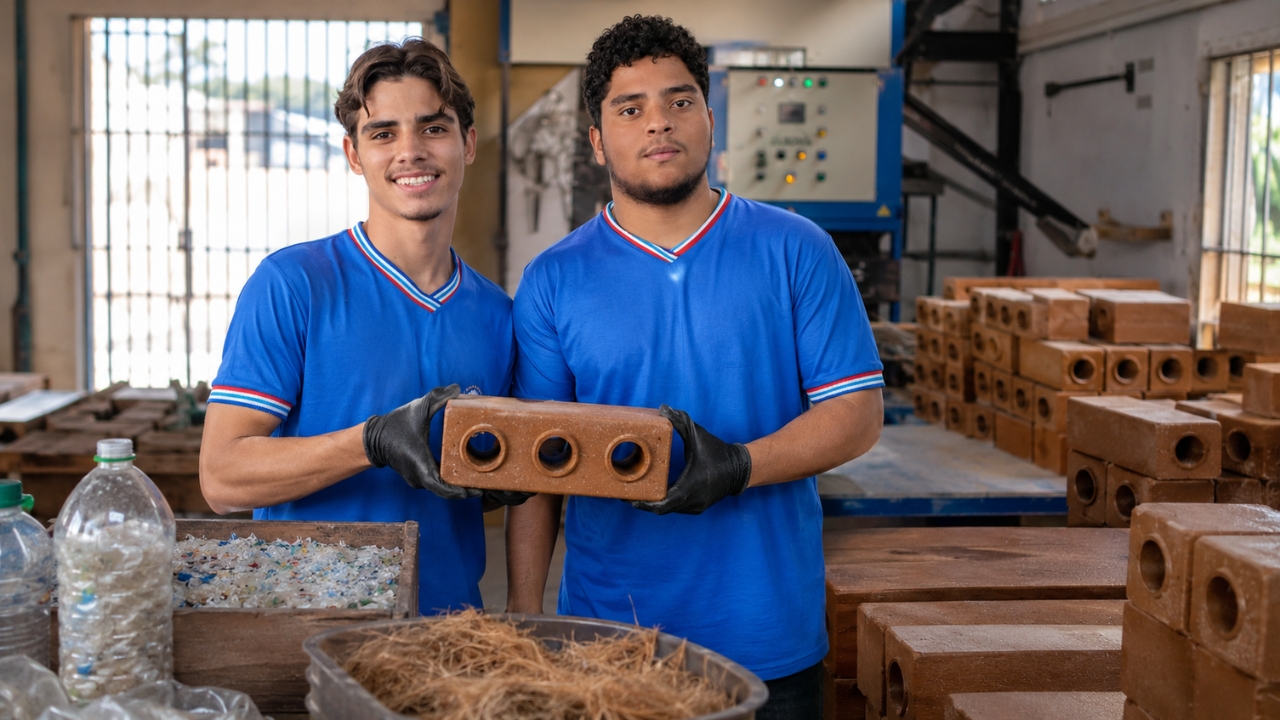
Young Innovators from Brazil Turn Discarded Plastic into Eco-Friendly Bricks Using Coconut Fiber, Offering a Sustainable Alternative for Construction
-
Brazilian Scientists Among Team Proposing to Turn Ocean Depths into Giant Gravity Battery Using Cargo Ships and Subsea Cranes



How the world’s largest diameter underwater tunnel was excavated
The Shanhe is a shield machine, or shield TBM. It drills, excavates, removes debris, and installs the tunnel lining simultaneously. Each concrete ring advances a few meters under the riverbed without needing to stop construction.
According to Interesting Engineering, the machine safely passed through the Yellow River’s water source protection area, sedimentation basins, and dikes on both banks. These were critical points due to environmental and structural reasons.
Until the announcement, 83.6% of the shield-excavated section was already completed. In other words, the most difficult part is over. What remains is the interior finishing, electrical systems, ventilation, drainage, and paving of the two levels.
Why two levels and six lanes change the equation
Traditional underwater tunnels usually have a single level. The choice of two levels optimizes the excavated area. Each level receives three lanes, totaling six. As a result, traffic crosses the river in separate flows by direction without interruptions.

This configuration also increases peak capacity without widening the construction site. On the other hand, it requires redundant ventilation systems to maintain air quality on both levels. This is another reason why the diameter needs to be so generous.
According to a report by Terra Byte, the project is expected to facilitate integration between the center of Jinan and the Pilot Zone for the Conversion of New and Old Growth Drivers. It is an economic expansion area of the Chinese government.
The Yellow River has never been so tamed
The Yellow River is China’s second-longest river and historically one of the most dangerous in the world. Its floods have killed millions over the centuries. Drilling a road tunnel beneath it is a statement of engineering as much as of urban logistics.
Indeed, the Yellow’s sediment is part of the problem. It is a river with muddy waters, with unstable layers in its bed. The TBM Shanhe was designed with reinforced sealing precisely to deal with this variable material.
Ultimately, the project symbolizes the Chinese pace of super-engineering. While the West discusses deadlines, China delivers record-breaking tunnels with 17.5-meter diameter TBMs. The next challenge is to replicate the formula in even larger corridors — and Brazil observes from afar the limits of a technique it does not yet use at scale.


-

-

-

9 people reacted to this.