






 Portuguese
  Spanish


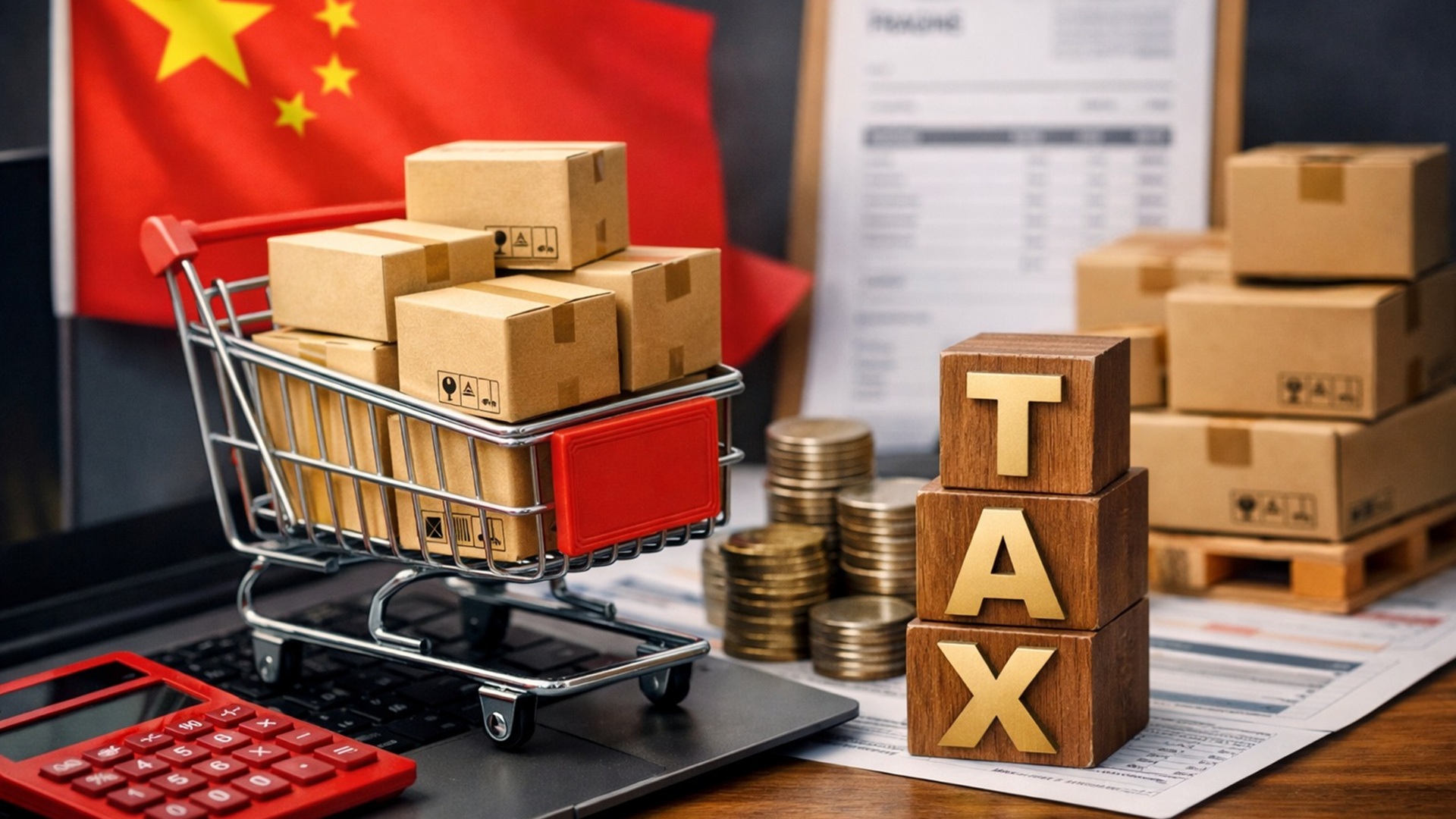


With New Law in Effect Since October, Chinese Authorities Began Requiring Systematic Submission of Sales Data by Digital Platforms, Strengthened Oversight of Merchants and Online Influencers, and Increased Revenue from the Sector by 12.7% in the Third Quarter Amid Economic Slowdown
Chinese authorities intensified tax collection from online sellers after the enactment of a new law in October, forcing digital platforms to share tax data, a measure that raised revenue by 12.7% in the third quarter, according to information from the Financial Times.
Data Sharing and New Legislation
Since October, platforms like Alibaba, Shein, and Amazon have begun sending Chinese tax authorities detailed data about merchants’ profits. The information includes names, orders, sales, and virtual gifts or digital tokens.
This requirement is part of a new law that establishes clear deadlines for delivering this information. Although the submission of sales data has been mandatory since 2019, previous enforcement was considered weak.
-
Brazil Harvests Record 358 Million Tons of Grain but Lacks Storage for 134 Million Tons

-
A New Bakery Opens Every Six Minutes in Brazil, Highlighting a Surge of 26,400 Small Businesses in Early 2025
-
Brazil’s Lula Government Allocates $463 Million Quota for Electric Car Parts, Waives Import Tax Until December, Sparking Competition Among BYD, Automakers, and Unions as Consumers Question Impact on Prices and Local Industry
-
Clarification and Right of Reply Notice


Expansion of Revenue and Reach of Oversight
By the end of the third quarter, more than 7,000 e-commerce platforms had reported tax-related information. The number was disclosed by Lian Qifeng, director of taxes at the State Administration of Taxation, in a press conference held in December.
According to Lian, tax revenue from e-commerce platforms grew 12.7% in the third quarter compared to the same period the previous year. He did not disclose the total amount collected.
Economic Pressures and Search for Revenue
The intensified oversight occurs at a time when the Chinese economy grew at its slowest pace in a year in the third quarter. Beijing is trying to offset the effects of the trade war with the United States and the prolonged recession in the real estate sector.
The collapse of land sales and the slowdown in growth have increased pressure to find new sources of tax revenue, including merchants, streamers, and sellers operating on digital platforms.
Other Ongoing Tax Campaigns
The State Administration of Taxation also launched parallel campaigns to boost revenue. Among them is the 20% tax on global capital gains from investors in mainland China.
Additionally, incentives in regions deemed responsible for industrial overcapacity were reduced, and a national operation against tax evaders who inflated invoices to obtain fraudulent refunds was launched.
Weight of E-Commerce in the Economy
Online sales of physical goods reached 12.8 trillion yuan in 2024, equivalent to almost 27% of total retail sales in China, according to data from the National Bureau of Statistics.
Despite this, analysts consulted by the FT say that the share of tax revenue from these sales tends to be lower. Lian Qifeng stated that repeated reminders were sent to sellers whose reported income was far below the data reported by the platforms.
Impact on Sellers and Margins
Experts say that data-driven taxation has become a central tool of Chinese fiscal governance. According to Quan Kaiming, a partner at Allbright law firm, consulted by the Financial Times, this approach has reduced distortions but increased compliance costs and data security risks.
For sellers with thin margins, the impact can be severe. Merchants reported to the FT average margins of around 8% and warned that the 13% value-added tax for companies with sales above 5 million yuan could make the business unviable.





A China enxergou, eu quero o meu quinhão.