Portuguese
  Spanish


China Reacts Firmly to Growing U.S. Military Presence in the Philippines and Warns of Risks to Stability in the South China Sea and the Taiwan Strait
The deepening military alliance between the Philippines and the United States has generated a strong reaction from China. Beijing views recent actions as a direct threat to its security, especially in the South China Sea and the Taiwan Strait. The visit of U.S. Secretary of Defense, Pete Hegseth, to Manila at the end of March 2025 prompted strong responses from the Chinese government.
Strong Opposition to Hegseth’s Visit
Pete Hegseth made his first official visit to the Philippines since taking office. During his trip to Asia-Pacific countries, such as Guam and Japan, Hegseth emphasized that the United States is not seeking war but peace.
He stressed that the goal is to build alliances around a free and open Indo-Pacific. Despite this, China was not convinced.
-
European Parliament Approves Digital Euro, Aiming to Challenge Visa and Mastercard’s Dominance and Transform Payments Across Europe by 2029

-
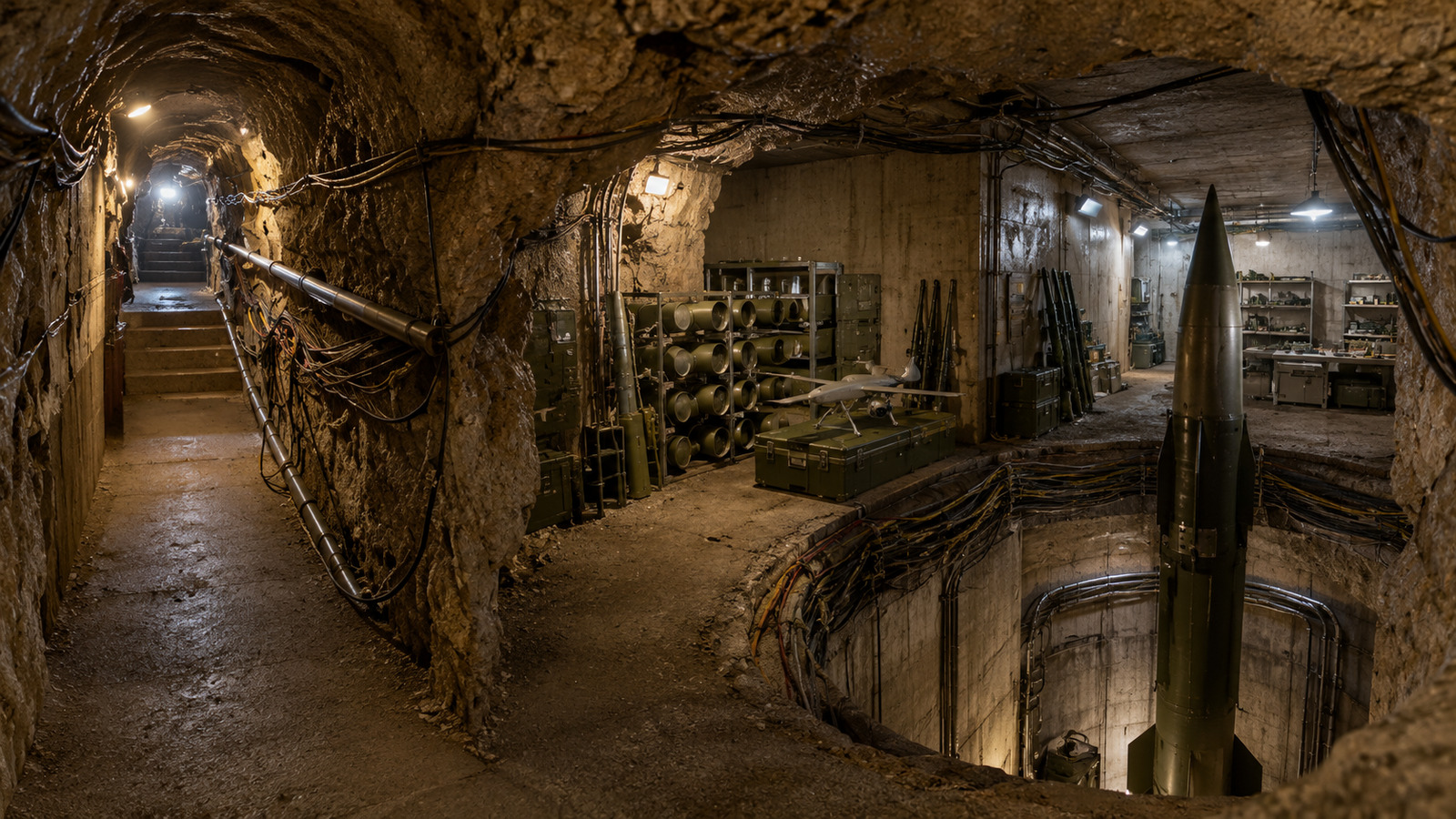
Israel finds Hezbollah militarized tunnel over 200 meters long under village, with 4 missile launch shafts, 12 chambers, anti-tank missiles, drones, and weapons depots at a depth of 25 meters.

-
Ukraine launches largest drone attack on Moscow since 2022, Russia claims to have intercepted nearly 200 aircraft near the capital, Kapotnya refinery targeted again, and offensive reignites alert about war reaching the Russian energy heart just a few kilometers from the Kremlin.

-
Truck drivers, freight, and fines from 2022 take center stage in politics: Chamber approves MP with amnesty, mandatory tracking by CIOT, million-dollar penalties, and new minimum wage for those who spend more than 24 hours on the road.



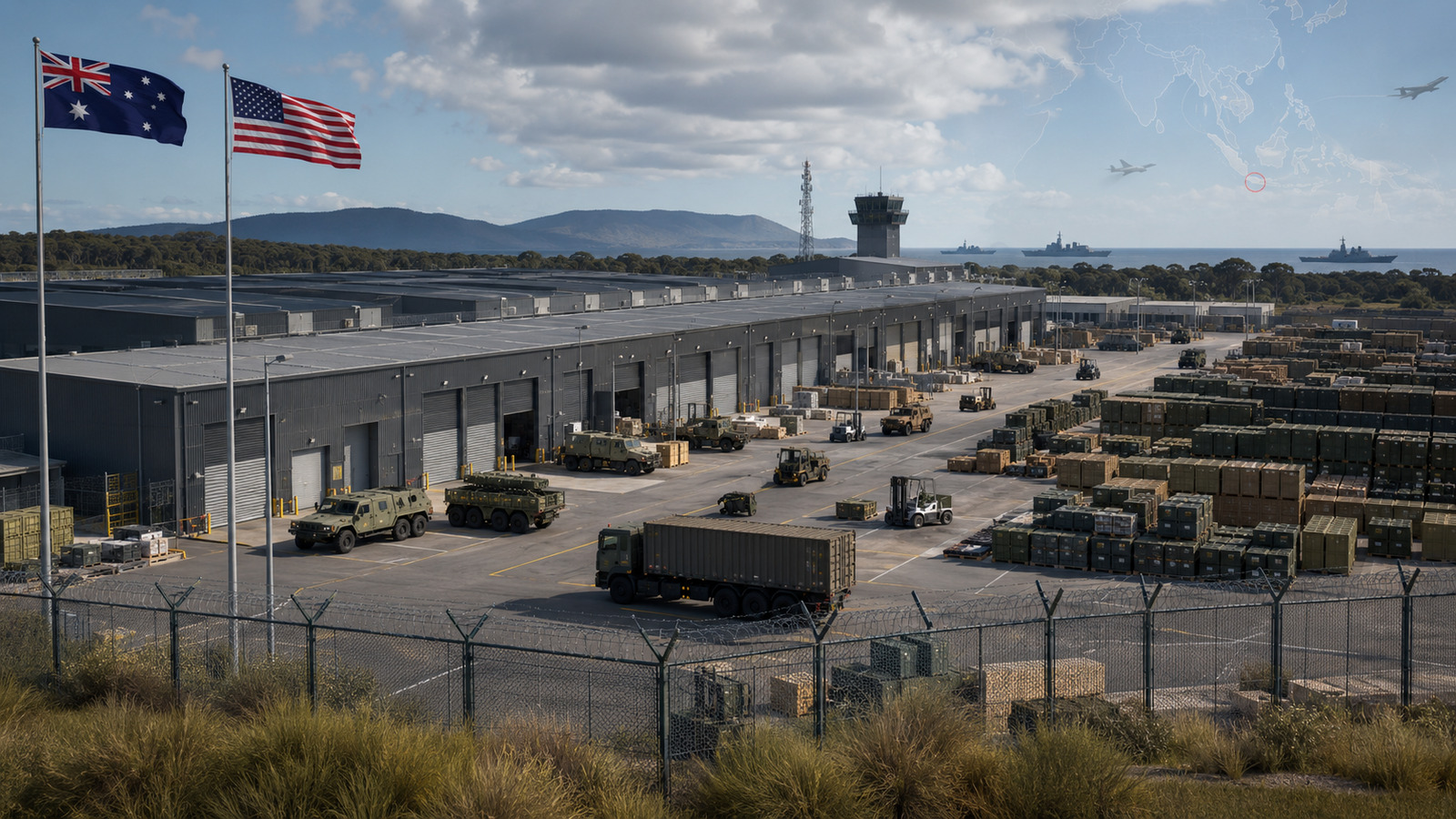
The Chinese Ministry of National Defense stated that the rapprochement between Manila and Washington exacerbates regional tensions. The Ministry of Foreign Affairs warned that this type of partnership undermines stability in the South China Sea.
Beijing’s Concerns About Joint Military Actions
China’s main concerns involve joint military exercises between the Philippines and the United States. These trainings have become more intense and practical, focusing on real combat scenarios, such as seizing islands and amphibious operations.
China is also attentive to the increase in U.S. arms sales to Manila and the strategic positioning of U.S. forces in the region. Beijing regards these movements as attempts to undermine its influence and control strategic areas.
Change in Perception of the Trump Administration
At the beginning of Donald Trump’s second term, there was an expectation that his stance would be more conciliatory. However, China’s perception has changed.
The Chinese government now sees the American strategy as confrontational. This has led Beijing to anticipate more tense diplomatic relations with Washington and to intensify military preparations.
Balikatan Exercises and U.S. Advancements in the Philippines
The Balikatan exercises, held annually between the Philippines and the U.S., intensified in 2024 and 2025. The scenarios began to simulate high-intensity conflicts.
In 2025, the U.S. sent the advanced NMESIS system and unmanned vessels to Philippine territory. This enhanced the coastal attack capabilities of the alliance.
These actions counter China’s anti-access strategy and deny its dominance in the region. They are also aligned with American military doctrines such as Expeditionary Advanced Base Operations.
Unprecedented Participation of Japan Concerns China
For the first time, Japan will participate as an active force in the 2025 Balikatan exercise. The event will bring together approximately 15,000 military personnel from the U.S., Philippines, and Australia. Beijing sees this Japanese participation as a clear sign of the formation of a security coalition to contain its influence in Asia.
This trilateral alliance marks a new level of military cooperation, putting China on high alert. The joint presence of the three countries increases the perception that the encirclement of China is solidifying.
Sale of Fighters and Drones Strengthens Manila
Another point of tension is the recent arms package approved by the United States. In April 2025, the U.S. authorized the sale of 20 F-16 Block 70/72 fighters to the Philippines, in a deal worth US$ 5.58 billion. The aircraft enhance Manila’s maritime surveillance and precision strike capabilities.
Additionally, the U.S. transferred unmanned systems and announced the deployment of MQ-9B Reaper drones. This broadens Philippine intelligence and surveillance. For Beijing, these movements are part of a deterrence strategy against its maritime presence.
Taiwan Strait Included in Exercises
In 2025, the Chief of Staff of the Armed Forces of the Philippines declared that the country would be “inevitably drawn in” if there were a conflict in the Taiwan Strait. The Balikatan exercises began to include specific simulations regarding this scenario. This confirms, according to China, that Manila has directly aligned itself with tensions involving Taiwan.
Advanced Bases Near Taiwan
The United States has established four new military bases in the Philippines. Three are located near Taiwan and one in Palawan, close to the Spratly Islands. China sees these positions as a strategic risk.
Operations in areas like Batanes, along with the deployment of missile systems, reinforce the Chinese view that there is an effort to control China’s maritime access.
Increase in U.S. Presence in the South China Sea
American military presence in the region has also increased. In 2024, large reconnaissance aircraft conducted about a thousand missions near Chinese territory. Surveillance ships operated for 706 days. There were also patrols by three aircraft carriers and regular actions by nuclear submarines.
Strategic bomber missions also increased. There were 56 sorties with B-52H, B-1B, and B-2A aircraft. This accelerated pace reinforces, for China, that the U.S. is maintaining an almost permanent posture at the Chinese maritime borders.
Chinese Pressure May Shift Towards the U.S.
With the strengthening of the partnership between the Philippines and the United States, China is considering changing its response. Instead of focusing on Manila, it may concentrate diplomatic and strategic pressure directly on Washington.
In the past, China was cautious to avoid direct confrontations with the U.S. However, China’s recent posture in the trade war indicates a shift. Beijing may adopt reciprocal measures, responding to American actions with equivalent countermeasures.
Beijing Avoids Isolating Manila
Despite tensions, China seems to be adopting a more cautious diplomatic approach with the Philippines. In a recent high-level meeting, Chinese leaders reaffirmed the importance of relations with neighboring countries.
Beijing stated that regional relations are “at their best in modern times.” Thus, punishing Manila directly could alienate other Southeast Asian countries. China wants to avoid this risk and preserve its diplomatic influence in the region.
Regional Diplomacy as a Priority
Neighborhood diplomacy is now viewed by Beijing as a priority. The presence of key Communist Party leaders at the meeting on this topic shows the political weight of the strategy.
China aims to maintain good relations with its neighbors, even in a scenario of increasing rivalry with the United States.
The Chinese stance indicates that, even in the face of more robust military alliances, Beijing will try to balance strategic pressures with diplomatic efforts to avoid losing ground in the Asian landscape.
With information from The Diplomat.