






 Portuguese
  Spanish
  4 min of reading
  0 comments


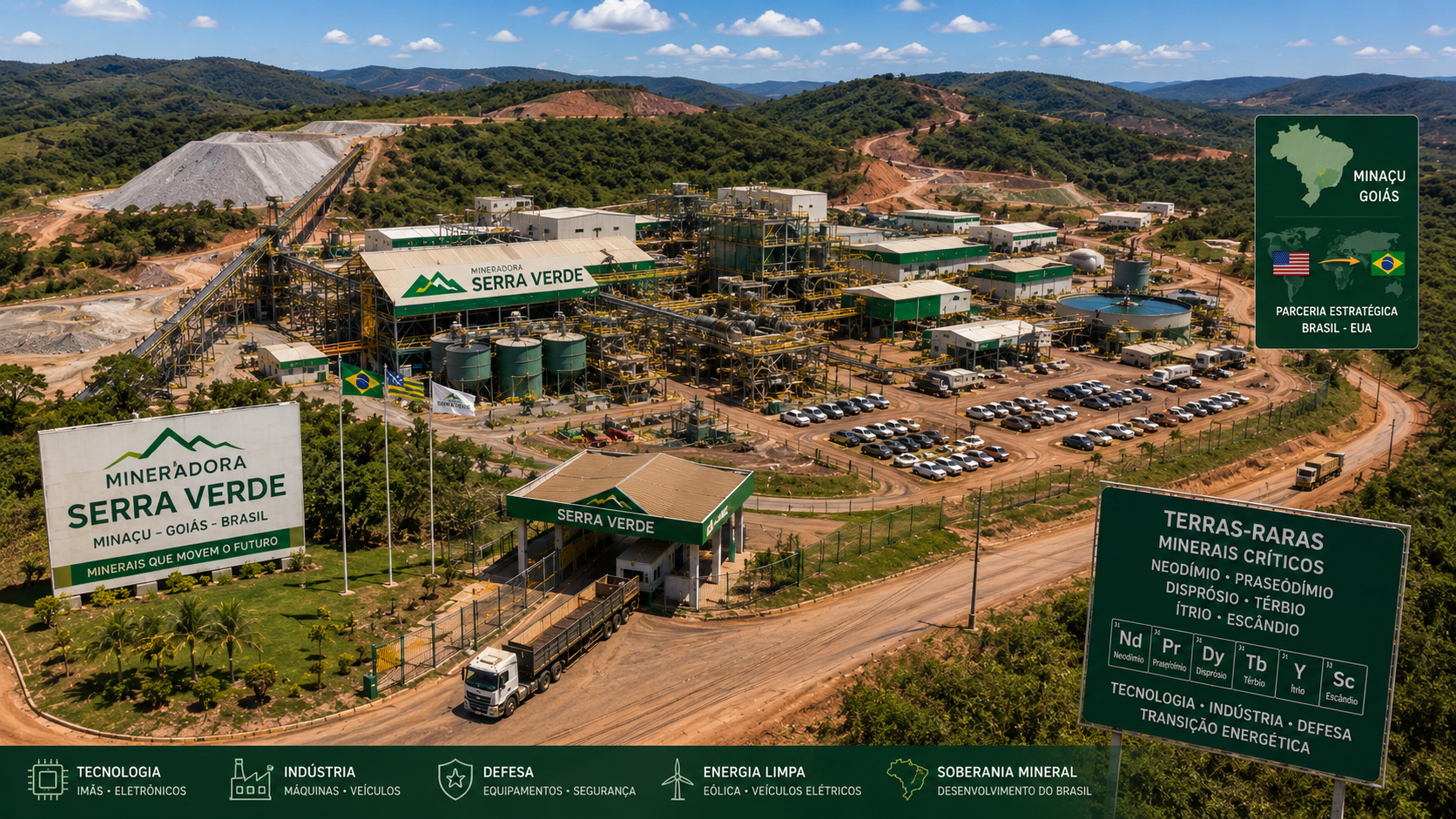
Sale of Serra Verde to USA Rare Earth for US$2.8 billion exposes how the rare earth mine in Goiás, created with foreign capital since 2010, became a central piece in the dispute between Brazil, the United States, and China for critical minerals, mineral sovereignty, strategic industry, and control of the global technology chain.
The sale of the mining company Serra Verde, located in Minaçu, Goiás, to the North American USA Rare Earth for US$2.8 billion, placed Brazilian rare earths at the center of a political, economic, and strategic dispute. The operation, announced in April 2026, gained significance on the eve of the meeting between Luiz Inácio Lula da Silva and Donald Trump, scheduled for May 7, 2026, at the White House.
However, despite the discourse about handing over a Brazilian company to foreign capital, Serra Verde never originally belonged to Brazil. The mining company was established in 2010 with capital from Denham Capital, of Boston, Energy & Minerals Group, of Houston, and Vision Blue Resources, of the United Kingdom.
Thus, the operation represented a change of control between foreign groups, not the sale of a national company. In practice, the asset moved from a Euro-American structure to another company in the United States.
-
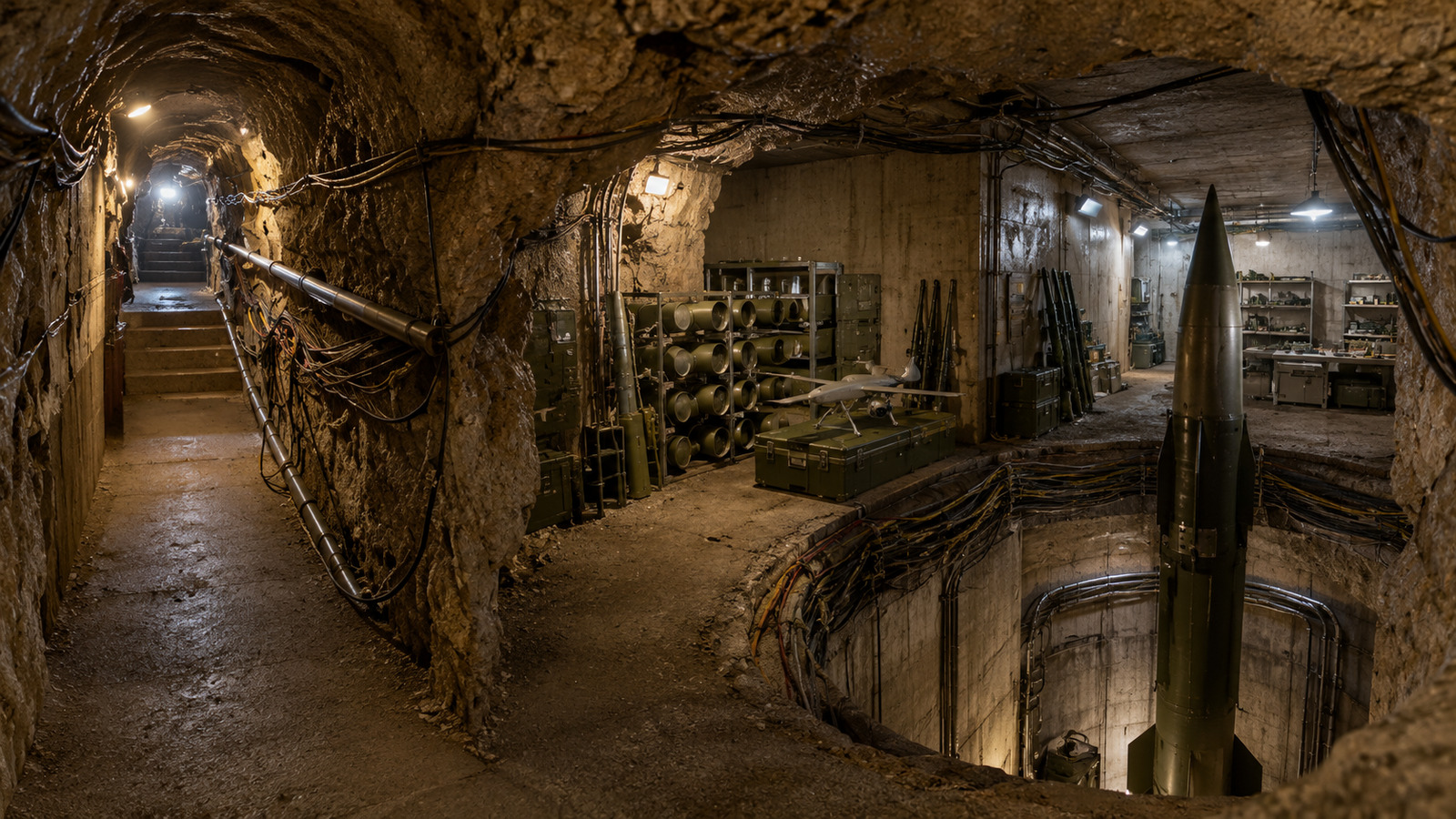
Israel finds Hezbollah militarized tunnel over 200 meters long under village, with 4 missile launch shafts, 12 chambers, anti-tank missiles, drones, and weapons depots at a depth of 25 meters.

-
Ukraine launches largest drone attack on Moscow since 2022, Russia claims to have intercepted nearly 200 aircraft near the capital, Kapotnya refinery targeted again, and offensive reignites alert about war reaching the Russian energy heart just a few kilometers from the Kremlin.

-
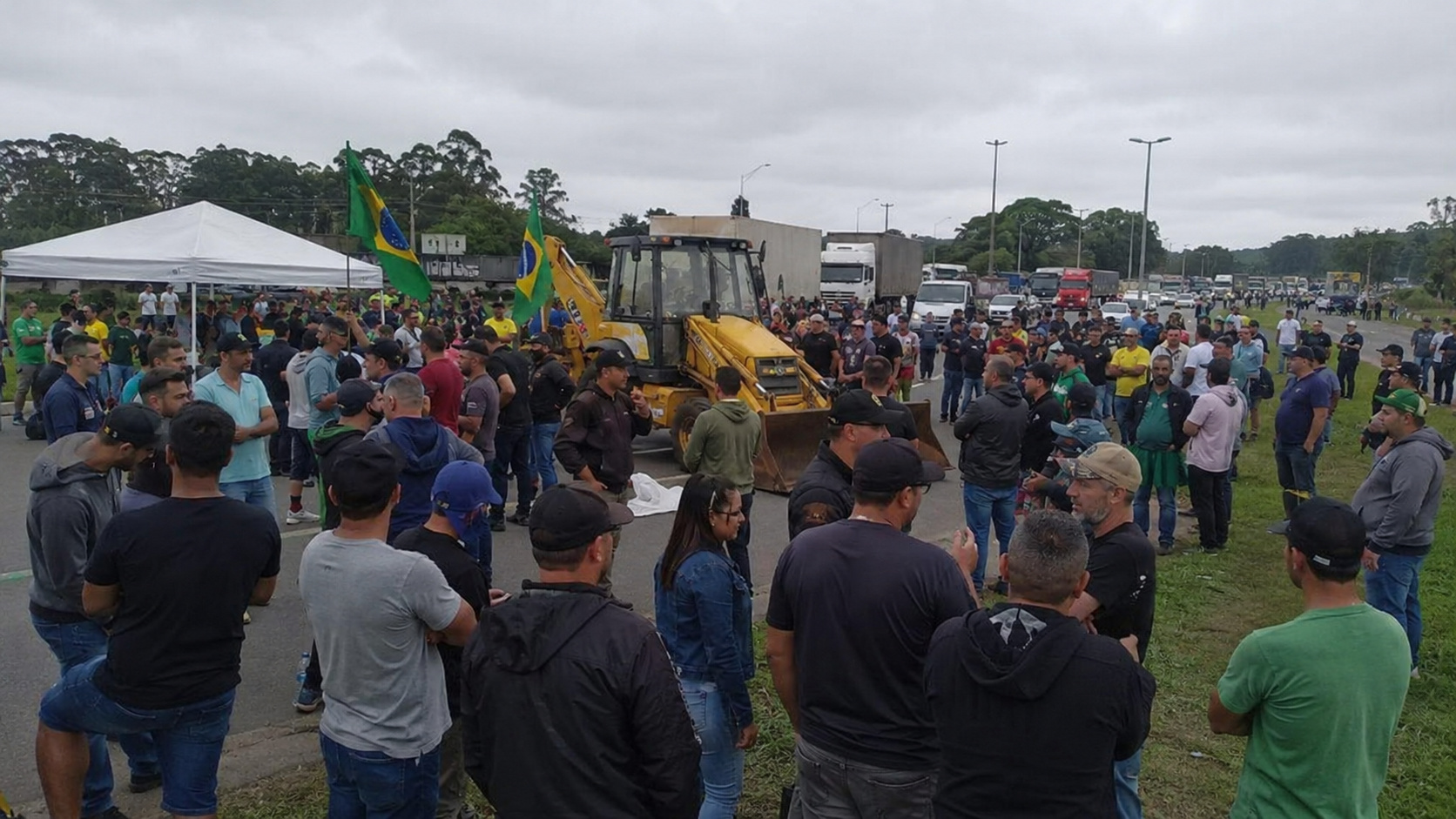
Truck drivers, freight, and fines from 2022 take center stage in politics: Chamber approves MP with amnesty, mandatory tracking by CIOT, million-dollar penalties, and new minimum wage for those who spend more than 24 hours on the road.

-
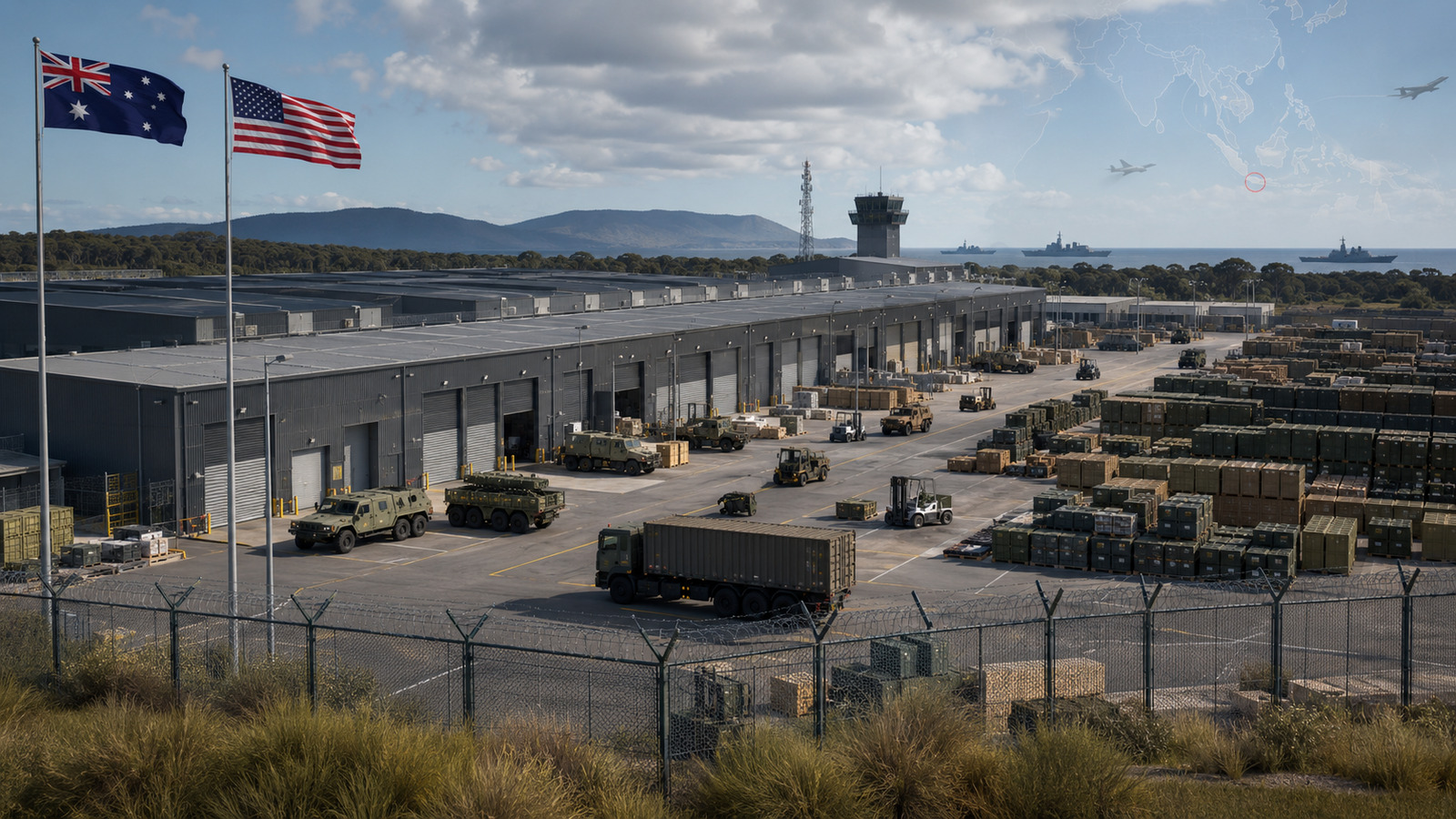
China off the radar: US plans mega $30 million weapons depot in Australia, out of reach of most Chinese missiles, with full capacity expected by 2028

Serra Verde Sale Gains Political Weight Amid Brazil-US Agenda
In this scenario, the exploration of critical minerals on Brazilian soil entered the diplomatic agenda between Brazil and the United States. The topic will be discussed by Lula and Trump on May 7, 2026, according to the base text.
During a visit to India in February 2026, Lula advocated for Brazil to use its reserves to strengthen national industry. This position reinforced the discourse that the country should produce more internally, instead of merely exporting raw materials.
Even so, the federal government was already aware of the operation involving Serra Verde. According to the base text, the Union had the competence to monitor, evaluate, or interfere in the process, but did not prevent the negotiation.
Bill Approved in Chamber Targets Critical Minerals and Foreign Capital
Given the repercussion, the government sent a bill to Congress to regulate the critical minerals sector. The Chamber approved the proposal on May 6, 2026.
The text allows the government to veto the sale of mining companies to foreign entities. It also authorizes tax incentives for companies that process and transform materials within Brazil.
With this, the Planalto attempts to create a regulatory barrier after years of indecision. However, the measure only arrived after the transfer of Serra Verde to North American control.
Goiás Lacked Competence to Authorize the Operation
Despite criticism of the Goian government, the sale did not depend on state authorization. The base text indicates that Goiás only signed a declaration of good faith intentions with the United States government.
According to the Federal Constitution, the subsoil belongs to the Union. Therefore, mining concessions, transfer of ownership, and analysis of foreign capital in strategic assets are federal matters.
States are primarily responsible for environmental licensing. Therefore, the sale of Serra Verde went through the federal sphere, while the government of Goiás had no decision-making power over the transfer.
Rare Earths Become Strategic Piece in Global Dispute with China
At the same time, the United States is seeking new sources of rare earths to reduce its dependence on China. According to the base text, Beijing dominates about 90% of the world’s processing and refining of these minerals.
Consequently, Brazil began to be seen as a strategic alternative. The Minaçu mine gained relevance for being linked to materials used in technology, industry, defense, and energy transition.
Meanwhile, the Brazilian government is trying to advocate for greater value aggregation within the country. The contradiction, however, lies in the regulatory delay: Brazil has had different governments since the creation of Serra Verde, but only reacted now.
What the sale of Serra Verde reveals about Brazilian mineral policy
Therefore, the case exposes a dispute larger than the purchase of a mining company. The sale revealed planning failures, regulatory delays, and divergences about the role of the State in protecting strategic assets.
It also showed that the debate on mineral sovereignty only gained strength after the change of control. Before that, according to the base text, foreign capital already commanded the enterprise since its origin.
Thus, Serra Verde became a symbol of an urgent discussion: how does Brazil intend to transform rare earths into industry, technology, jobs, and geopolitical influence without losing its place in the global chain?





-

-

-

-

-

5 people reacted to this.