Portuguese
  Spanish


United States Central Command confirms interception of six small Iranian vessels in the Strait of Hormuz this week, in an escalation that threatens the April ceasefire and the reopening of the route that funnels about 20% of the world’s oil
In a statement released this week, the United States Central Command (CENTCOM) confirmed that U.S. Navy AH-64 Apache and MH-60 Sea Hawk helicopters destroyed six small Iranian Revolutionary Guard vessels in the Strait of Hormuz on May 4, 2026, according to reporting by G1 Globo.
The operation was the United States’ response to an Iranian offensive with cruise missiles, drones, and fast boats against U.S. Navy ships and commercial freighters attempting to cross the passage.
President Donald Trump confirmed the operation in an interview with Fox News and escalated the verbal retaliation, stating that Iran would suffer severe consequences in the event of new attacks against American ships.
-
European Parliament Approves Digital Euro, Aiming to Challenge Visa and Mastercard’s Dominance and Transform Payments Across Europe by 2029

-
Oil production grows in Rio, but reserve replacement raises a warning sign
-
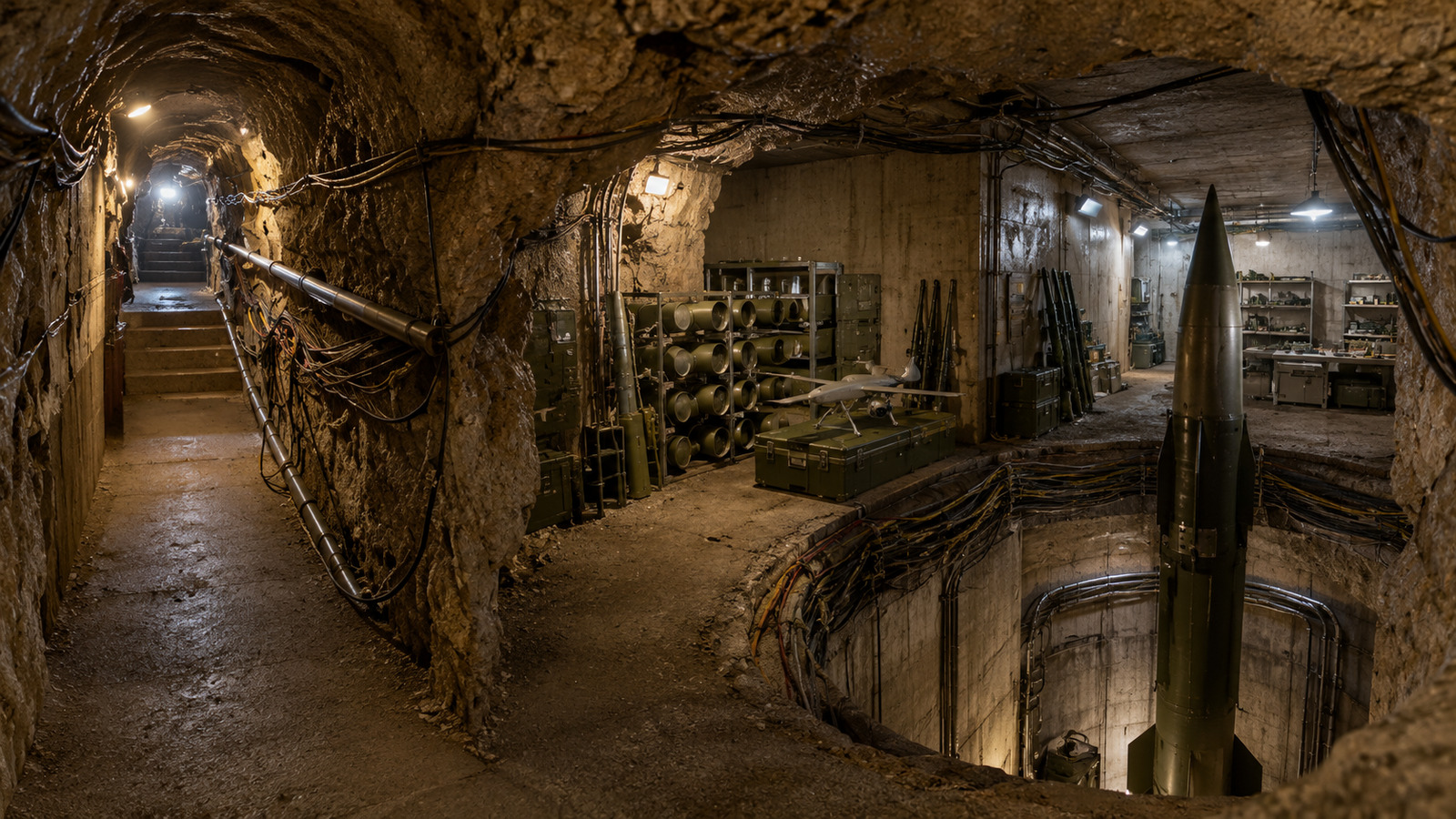
Israel finds Hezbollah militarized tunnel over 200 meters long under village, with 4 missile launch shafts, 12 chambers, anti-tank missiles, drones, and weapons depots at a depth of 25 meters.

-
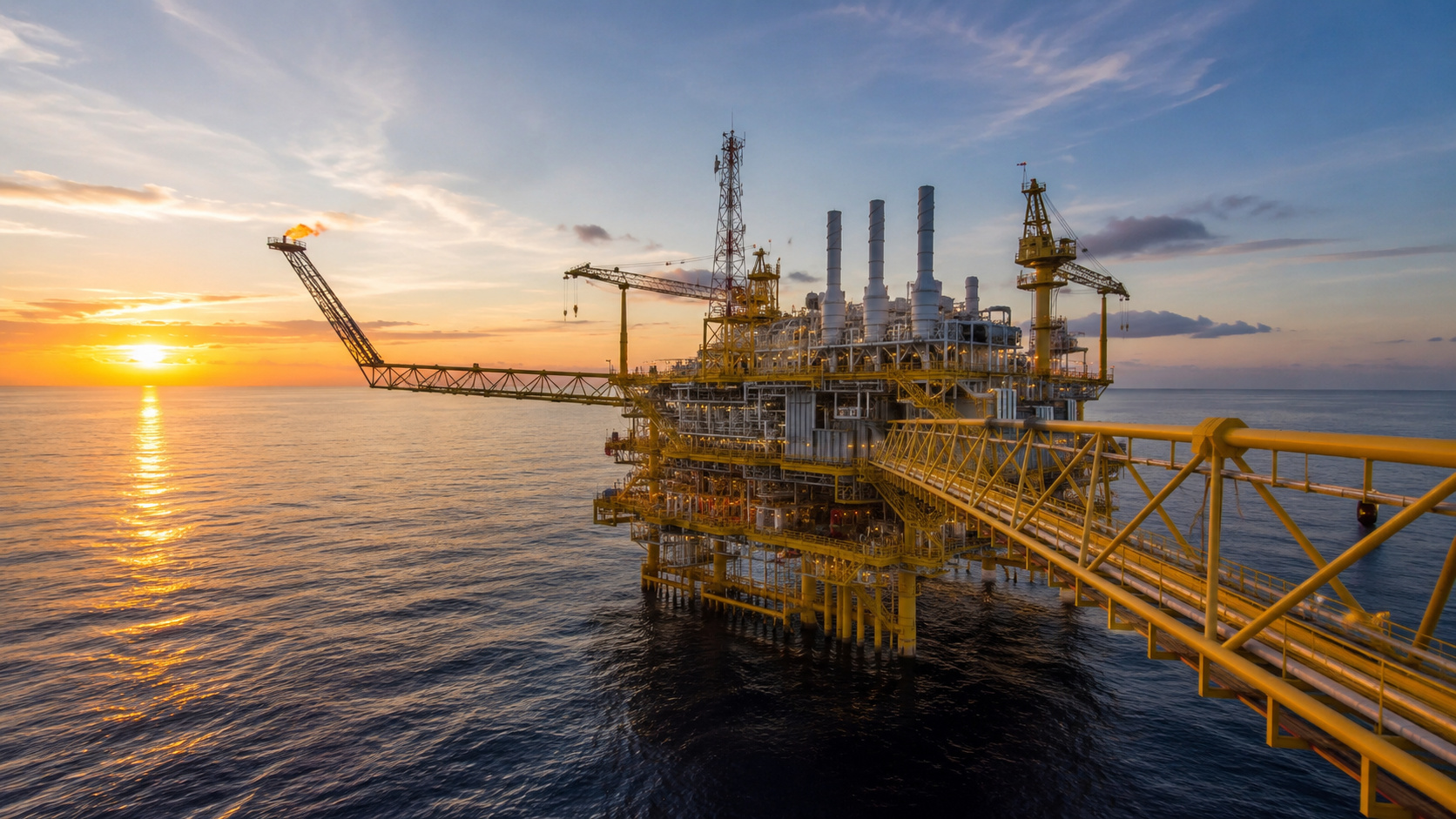
Petrobras is expected to complete the drilling of the Morpho well in the Foz do Amazonas in August 2026, the first well in the Equatorial Margin, an oil frontier that the ANP estimates at more than 30 billion barrels and could redraw the map of Brazil.



“The United States blew up six small Iranian vessels in the Strait of Hormuz after the Iranian regime launched attacks against U.S. Navy ships.”
— Gen. Michael Kurilla, commander of U.S. Central Command (CENTCOM), in an official statement on May 4, 2026

An April ceasefire that lasted just over three weeks
The confrontation between Washington and Tehran had entered a formal pause in early April, after months of escalation that began in February with the Iranian blockade of the maritime passage and continued with joint attacks by the United States and Israel on targets in Tehran and Isfahan in March.
The cessation of hostilities agreement, mediated by Pakistan, provided for the resumption of free traffic in the region. But on April 13, the White House decided to impose a counter-blockade, according to a report by Forbes Brasil, redirecting the first 48 ships linked to the Iranian regime.
Since then, the Strait has become the scene of a routine of provocations, with military escort for American freighters and Iranian attacks with small fast boats.
The numbers of this week’s direct confrontation
In addition to the six vessels destroyed on May 4, President Trump stated that seven more Iranian fast boats were shot down in a subsequent operation. On March 4, in the joint offensive with Israel, the United States had already destroyed another 17 Iranian ships.
- 6 Iranian vessels intercepted in the Strait on May 4 (CENTCOM)
- 7 fast boats shot down in subsequent operation (Trump, to Fox News)
- 48 Iranian ships redirected since April 13 (U.S. Army)
- 17 ships destroyed on March 4, in joint offensive with Israel
- 20% of world oil passes through the Strait of Hormuz under normal conditions
Why Brazilians feel the cost of this conflict
The Strait of Hormuz is the most strategic maritime passage on the planet for oil. About one-fifth of the global supply of the product flows through it, coming mostly from Saudi Arabia, United Arab Emirates, Iraq, Kuwait, and Qatar.
With the route closed for free traffic, some shipping companies began redirecting cargo via the Cape of Good Hope, at the southern tip of Africa. The diversion increases the cost of maritime freight by up to 30% for Asian and European importers, according to industry data.

For Brazil, a net importer of petroleum derivatives despite being an exporter of crude oil, the most immediate result is the pass-through to the pump. When Brent rises in international markets, Petrobras adjusts gasoline, diesel, and LPG prices at distributors, and the increase reaches consumers in a few weeks.
Iran denies attacks and promises to respond “soon”
The Iranian version is different. On state TV, Tehran authorities denied the attacks on American ships and the loss of vessels reported by CENTCOM, according to the same G1 report.
The regime presented a 14-point proposal through Pakistan, still without a formal response from Washington, and promised retaliation against American and United Arab Emirates targets, which host U.S. military bases in the region.
In an earlier statement reproduced by Agência Brasil, a Revolutionary Guard spokesman declared that the country considers it a “legitimate right to defend its sovereignty” by targeting American bases hidden in UAE ports.
What the energy market is observing
For the Brazilian oil sector, the current cycle of tension has two cross-cutting effects. On one hand, the rise in Brent reinforces Petrobras’ export margin on crude oil sales abroad, which already hit a record in the first quarter. On the other hand, it makes the import of derivatives that the country still buys from abroad more expensive — especially diesel, which fuels cargo transport.
Shipping companies operating Brazil-Asia routes are monitoring the Cape of Good Hope as an alternative route. The increase in travel days and fuel tends to be reflected in the costs of iron ore and soybean exports to the Asian market in the coming weeks, should the tension not subside.
Next steps: fragile truce and Pakistani proposal
With the April ceasefire in tatters, Washington and Tehran are back to the level of direct confrontation that prevailed in March. Pakistani mediation remains active, but with no indication of when the U.S. will respond to the Iranian 14-point proposal.
For the markets, the scenario is one of volatility until there is a concrete gesture from one of the parties. For the Brazilian consumer, the most immediate thermometer remains the pump display.
There is a divergence between the versions. Iran, through state TV, disputes the American figures on destroyed vessels and denies having attacked the U.S. Navy — a version that has not yet been verified by independent sources on the ground.