Portuguese
  Spanish


China Advances in Construction of Nuclear Reactor with Annual Capacity of 52 Billion kWh, Boosting Clean Energy Production and Sustainable Development
China officially began the construction of its first nuclear reactor unit in 2025. The milestone was marked by the pouring of the first concrete at the Lufeng Nuclear Power Plant, located in Guangdong province.
This event marks the beginning of reactor No. 1 of the plant, which will use the CAP1000, a third-generation pressurized water reactor (PWR) design.
Technology and Safety in Focus
The CAP1000 is a project that prioritizes efficiency and safety. Developed by the Shanghai Nuclear Engineering Research and Design Institute, it incorporates passive safety systems and improved fuel efficiency.
-
Brazil Aims to Become a Global Exporter of Green Hydrogen, the Clean Fuel Set to Generate Billions

-
Brazil to Hold First Offshore Wind Energy Auction, Aiming to Become the Country’s New Hydropower
-
Brazil to Hold First Auction for Batteries to Store Solar and Wind Energy from the Northeast
-
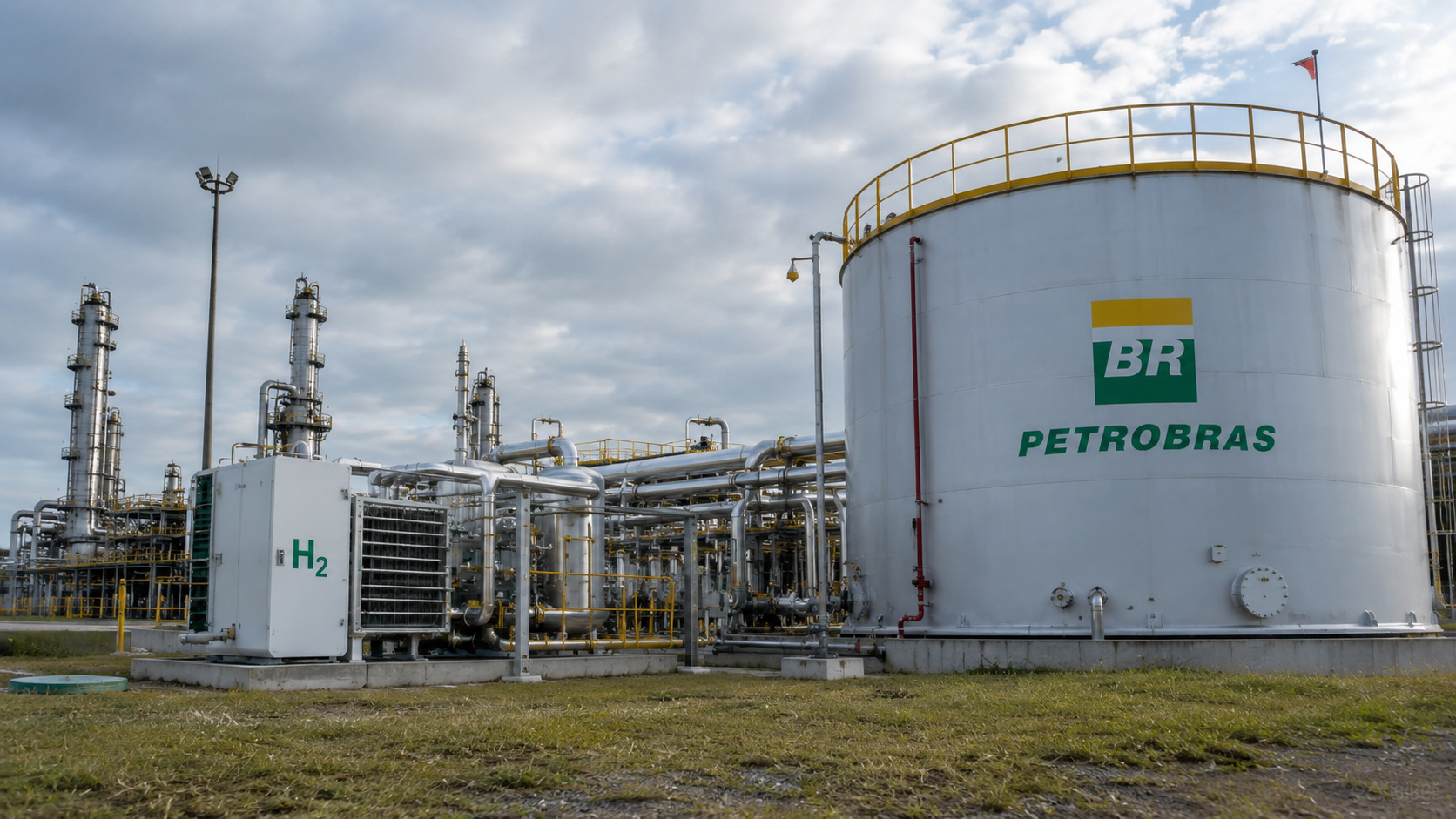
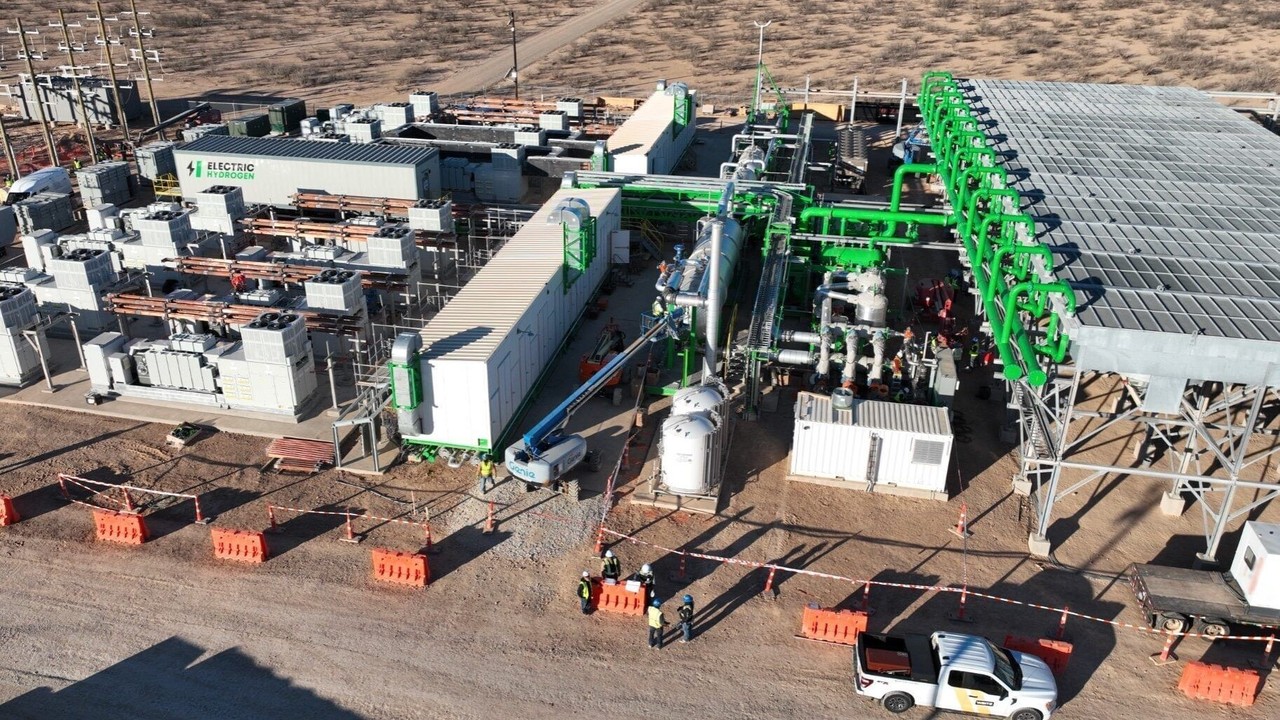
Brazilian scientists are simultaneously advancing two research projects on clean hydrogen and driving solutions that could transform the energy matrix, enhance industrial competitiveness, and accelerate large-scale emission reduction targets.



China General Nuclear Power Corporation (CGN), responsible for the project, stated that technologies such as modular construction, digital construction, and automation will be employed. These advancements are expected to significantly enhance the safety and efficiency of the plant.
The Lufeng site was initially approved for four CAP1000 reactors by the National Development and Reform Commission of China in 2014. However, Units 1 and 2 only received state approval in August 2023. Units 3 and 4 are still awaiting final authorization.
Ambitious Expansion Plan
The Lufeng plant will not be limited to reactor No. 1. The project plans to install six reactors. Units 5 and 6, under construction since 2022 and 2023, respectively, utilize Hualong One technology.
This third-generation nuclear technology was developed in-house by China, highlighting the country’s technological advancement in the field.
Hualong One, also known as HPR1000, was developed jointly by CGN and the China National Nuclear Corporation. These units are expected to be completed between 2026 and 2027.
Clean Energy and Emission Reduction
When fully operational, the Lufeng nuclear plant is expected to generate around 52 billion kilowatt-hours (kWh) of electricity annually. This level of production will allow China to significantly reduce its dependence on fossil fuels.
This saving will result in an approximate reduction of 42.69 million tons of carbon dioxide emissions.
China Leads Global Nuclear Expansion
China has shown an accelerated increase in its nuclear ambitions. The country has approved the construction of ten nuclear power units annually over the last three years. More approvals are expected in the coming months.
The expectation is that by the end of 2025, China’s total installed nuclear capacity will reach 65 gigawatts (GW). The Lufeng project is part of a larger set of ongoing nuclear initiatives in China.
Another example is the Guangdong Lianjiang Nuclear Power Plant, whose construction began in July 2023. This plant will also feature CAP1000 reactors, reinforcing China’s commitment to expanding clean energy.
With information from Interesting Engineering.