






 Portuguese
  Spanish
  5 min of reading
  0 comments


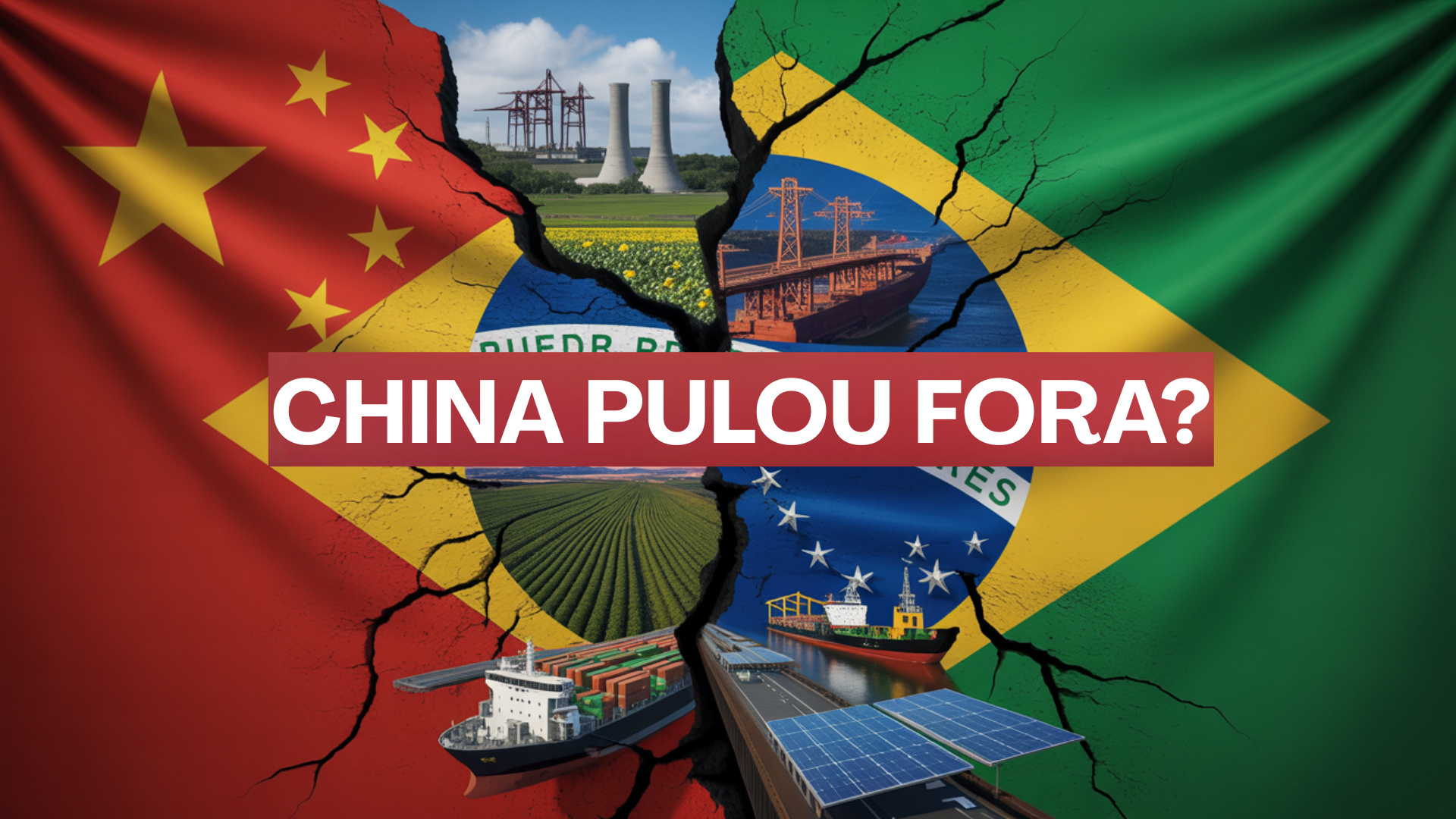
Brazil-China Relations Shift Amid Political and Economic Uncertainties, While Chinese Investments Stall as Investors Analyze the Brazilian Electoral Landscape.
The economic relations between Brazil and China have entered a waiting period amid the scenario of political uncertainty in Brazil and the impact of new tariffs imposed by the United States.
According to information released by CNN Brazil in July 2025, sources from the upper echelons of the Chinese Communist Party reportedly stated that the Asian country has decided to temporarily suspend new investments in Brazil.
The main reason would be the insecurity generated by the recent history of national politics and the fear of instability, especially due to the presidential elections scheduled for 2026.
-
Brazilian Joins Homeownership Consortium, Faces Decade of Dual Payments Totaling $141,000, Surpassing Traditional Mortgage

-
Land Rover to Halt Production in July, Putting 371 Jobs at Risk, as Chinese Automaker Negotiates to Convert Factory to 100,000 Vehicles Annually by 2027

-
Mexican Pest Threatens U.S. Cattle Herds at Historic Lows, Potentially Boosting Brazilian Beef Exports as Burger Prices Soar

-
Brazilian Freight Bill Progresses in Congress with $5,000 Minimum Wage, 70% Advance Payment, and Fines Up to $1 Million, as Agriculture and Industry Warn of Rising Costs and Legal Uncertainty


According to Lourival Sant’Anna, international analyst at CNN Brazil, China does not plan to increase investments until there is clarity about Brazil’s political future.
“I was also told the following: look, we will not increase our investments in Brazil before next year’s election because that experience with Bolsonaro during the pandemic period was quite traumatic for China. So, if a right-wing government comes to Brazil, we are concerned about investment insecurity,” Sant’Anna reported, citing the Chinese source.
Furthermore, according to the analysis, China is currently facing an internal economic scenario of deflation, an aging population, declining income, and excess productive capacity, which limits its appetite for imports.
China Suspends Investments in Brazil
The trauma mentioned refers to the period of the Covid-19 pandemic, when episodes of diplomatic tension marked the relationship between the two countries, especially during Jair Bolsonaro’s administration.
The situation led to a more cautious stance from the Chinese regarding new investments in Brazilian territory.
Since then, Beijing closely monitors the electoral landscape and awaits signs of stability before resuming any expansion of bilateral business.
This caution from China occurs precisely at a time when Brazil faces difficulties in foreign trade, particularly following the United States’ decision to impose tariffs of 50% on Brazilian products.
In light of this scenario, many experts and representatives from the productive sector expected China to absorb part of the exports originally destined for the North American market.
However, according to the sources consulted by CNN Brazil, there is no immediate interest from the Chinese in increasing purchases, especially of products for which they already have an internal surplus.
Lula Faces Electoral Challenges and Criticism Over Negotiations
The government of President Luiz Inácio Lula da Silva (PT) has been criticized by experts such as economist Roberto Dumas from Insper, who argue that the Planalto has prioritized domestic political strategies at the expense of more assertive actions in the international arena.
“Instead of making a policy directed towards the international aspect, it seems that [Lula] is making a domestic policy trying to rally support for a potential re-election in 2026,” Dumas analyzed in an interview with CNN Brazil.
According to the professor, the Brazilian government has missed opportunities to open channels of negotiation since the announcement of the American tariffs in early July.
Dumas also pointed out that the Brazilian Executive faces difficulties in establishing dialogue with high-level authorities of Donald Trump’s administration, the President of the United States.
The lack of effective dialogue has been a source of criticism from both the opposition and sectors of the national business community, who demand greater effort from the government to defend Brazil’s interests in the international arena.
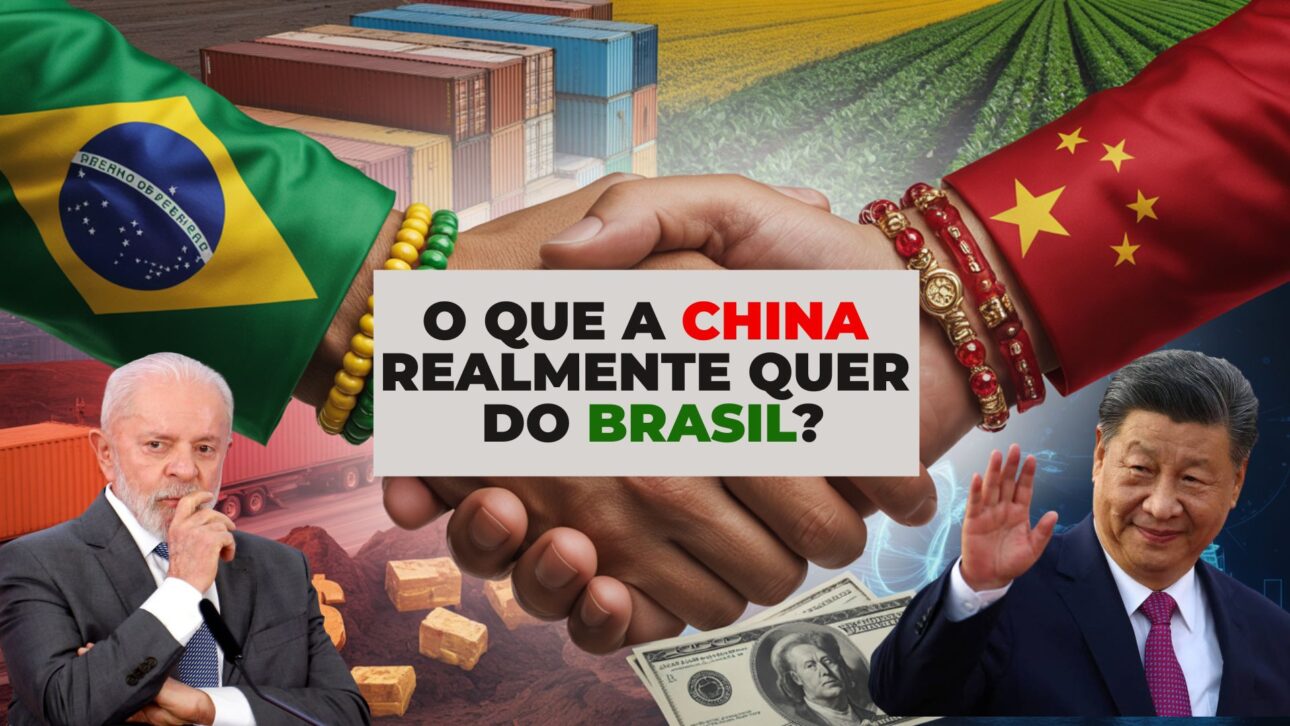
Political Disalignment Worsens Impasse with the U.S. and China
The ideological distance between Lula’s government and Trump’s administration in the United States has hindered the search for solutions to the trade impasse.
In the days following the imposition of tariffs, Lula met with leftist leaders in Latin America, which analysts interpreted as a move that directly displeases the U.S. government.
Moreover, the revival of agendas such as the expansion of BRICS (the group formed by Brazil, Russia, India, China, and South Africa) and the defense of de-dollarization of international transactions has further increased the disalignment between the two countries.
According to Dumas, “they are already bringing back the story of BRICS, which was precisely the ‘bone of contention’ for Donald Trump. [And by] talking about BRICS, Lula will want to call attention again to de-dollarization.”
These initiatives, according to the economist, tend to complicate negotiations and distance potential agreements, keeping Brazil in a delicate position with both the United States and China.
Brazilian Exports and the Freezing of Chinese Investments
In the context of exports, Brazil faces difficulties in diversifying its range of products sold to China.
According to Dumas, shipments to the Asian giant are concentrated in commodities such as soy, iron ore, oil, and other low value-added products.
“What [Chancellor] Celso Amorim said is completely disproportionate: ‘We will diversify our exports with China.’ How will we diversify exports with China if it [already] is the main economic partner? We should [seek to] diversify with other partners,” Dumas argued.
The economist points out that the discourse of increasing the shipment of higher value-added products to China has been recurring for almost two decades, but has never truly materialized.
The Chinese market, according to specialists, is already saturated with many of the products offered by Brazil, making it unlikely for the Asian country to increase purchases at this time.
Brazilian Elections Influence Foreign Investments
Despite previous signals about possible partnerships in infrastructure, especially in sectors like technology and energy transition, Chinese sources emphasize that investments are frozen until the Brazilian electoral scenario is more defined.
The recent history and previous traumatic experiences contribute to this cautious stance.
According to experts, the rapprochement between Brazil and China can be positive from a commercial point of view, but also requires attention regarding the increase of Chinese geopolitical influence in the country.
Given all these uncertainties, the question arises: how can Brazil regain the trust of its major economic partners and resume the flow of foreign investments amidst a scenario of political disputes and global shocks?





-

-

-

-

-

8 people reacted to this.