Portuguese
  Spanish


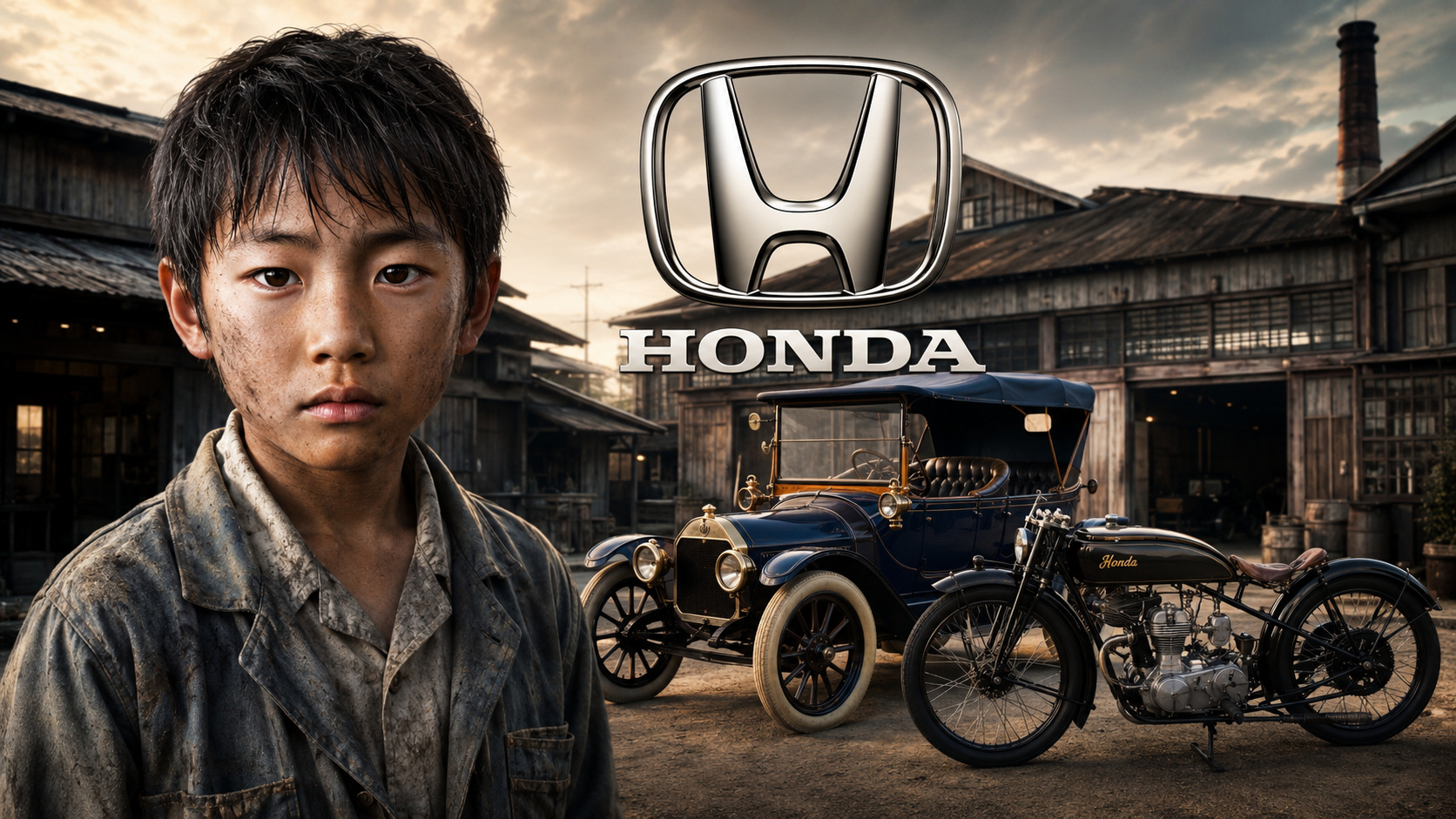

Soichiro Honda left his father’s workshop, faced war, earthquake, and industrial failures, and transformed Honda into a global giant of motorcycles and automobiles.
Long before Honda became a global mobility powerhouse, Soichiro Honda built his path among workshops, engines, industrial failures, and forced restarts. Born on November 17, 1906, in Komyo Village, in the province of Shizuoka, he grew up in the environment of his father’s small workshop, Gihei Honda, a blacksmith who also repaired bicycles, while his mother, Mika Honda, worked as a weaver.
The foundation of this story was not academic, but practical. Still young, Honda immersed himself in manual work, developed a fascination for machines, and turned mechanical curiosity into an industrial vocation. Decades later, that boy raised among tools and bicycles would give rise to a company that would become a world reference in motorcycles, automobiles, and applied engineering.
Soichiro Honda left common life early to learn mechanics in practice
The turning point began when Soichiro Honda left the Japanese countryside to seek a place in the automotive sector. In his formative years, he worked at Art Shokai, a workshop where he had direct contact with repairs, parts, engines, and mechanical preparation, an environment that helped shape his technical vision and work style.
-
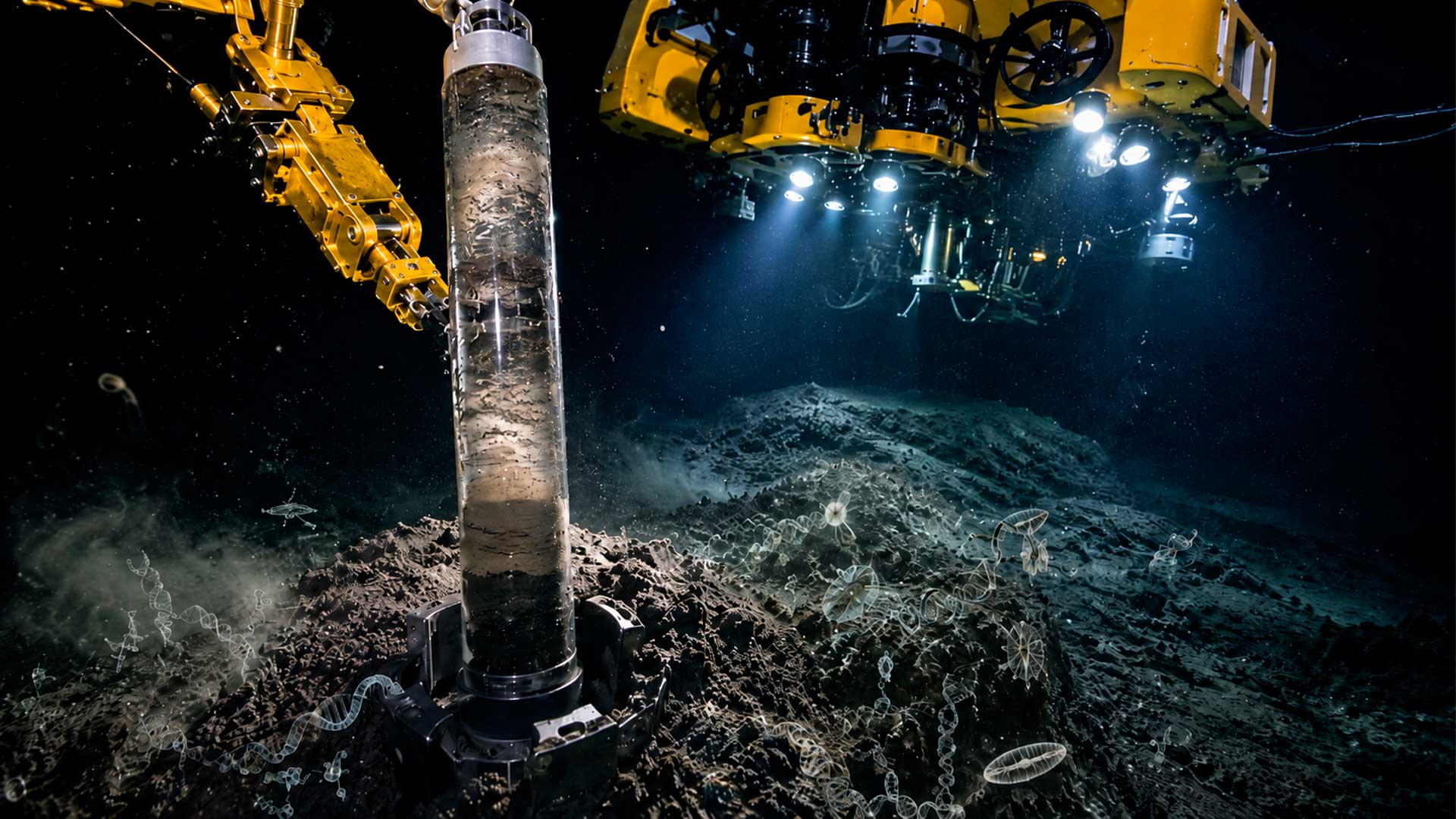
At a depth of 5,000 meters, where there is no sunlight, researchers found ancient DNA preserved in the mud of the South Atlantic and discovered signs of organisms that did not match known records.

-
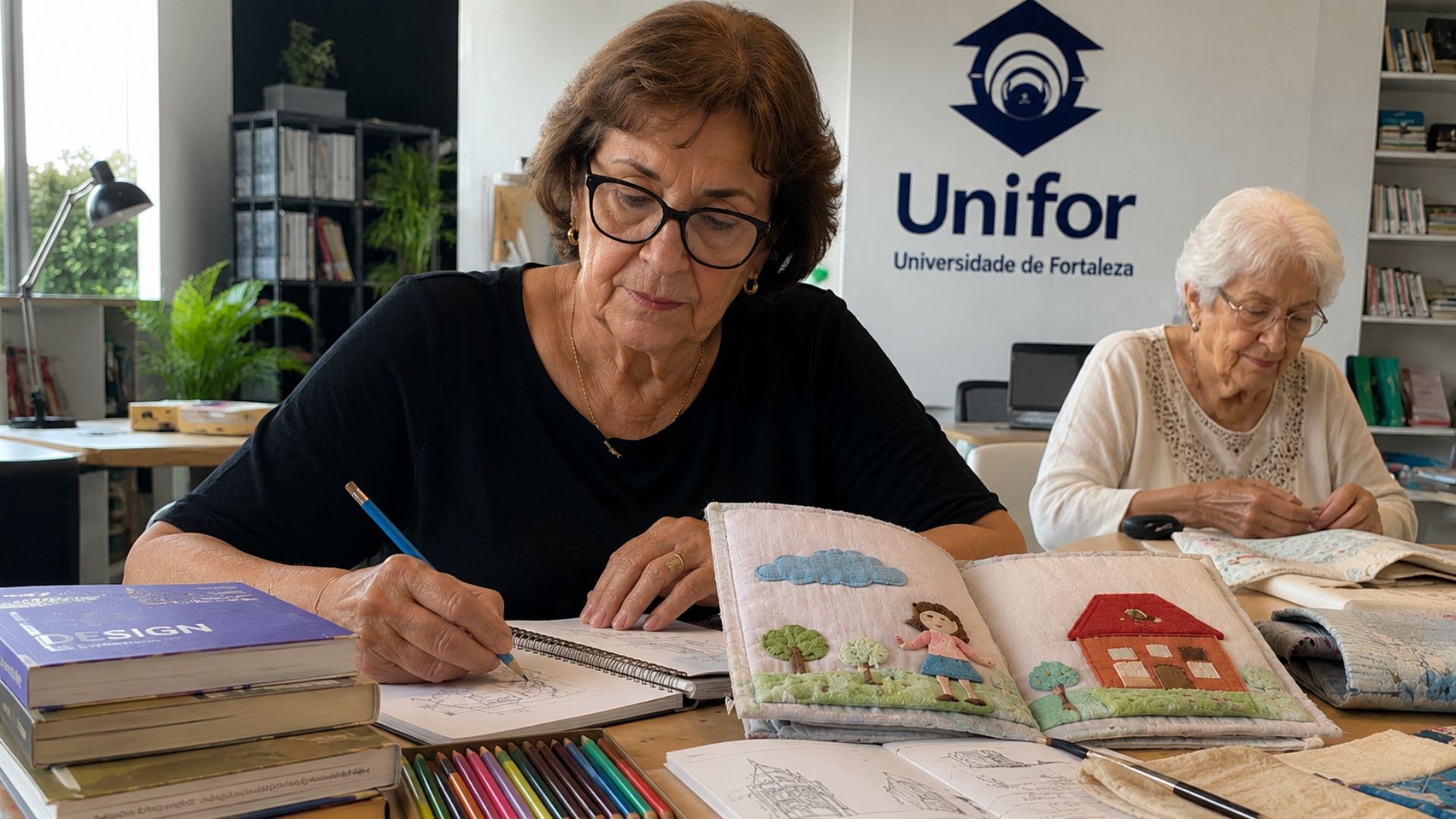
At 77 years old, a retired woman who never tires of learning completes her second degree in design in Ceará and moves people by revealing the help of her 98-year-old mother in the final project.
-
China’s masterstroke: a plant capable of regrowing even when buried by sand helps to recover more than 7,300 hectares of desert with 5 million seedlings, roots over 10 meters deep, and rainfall below 150 mm per year.
-
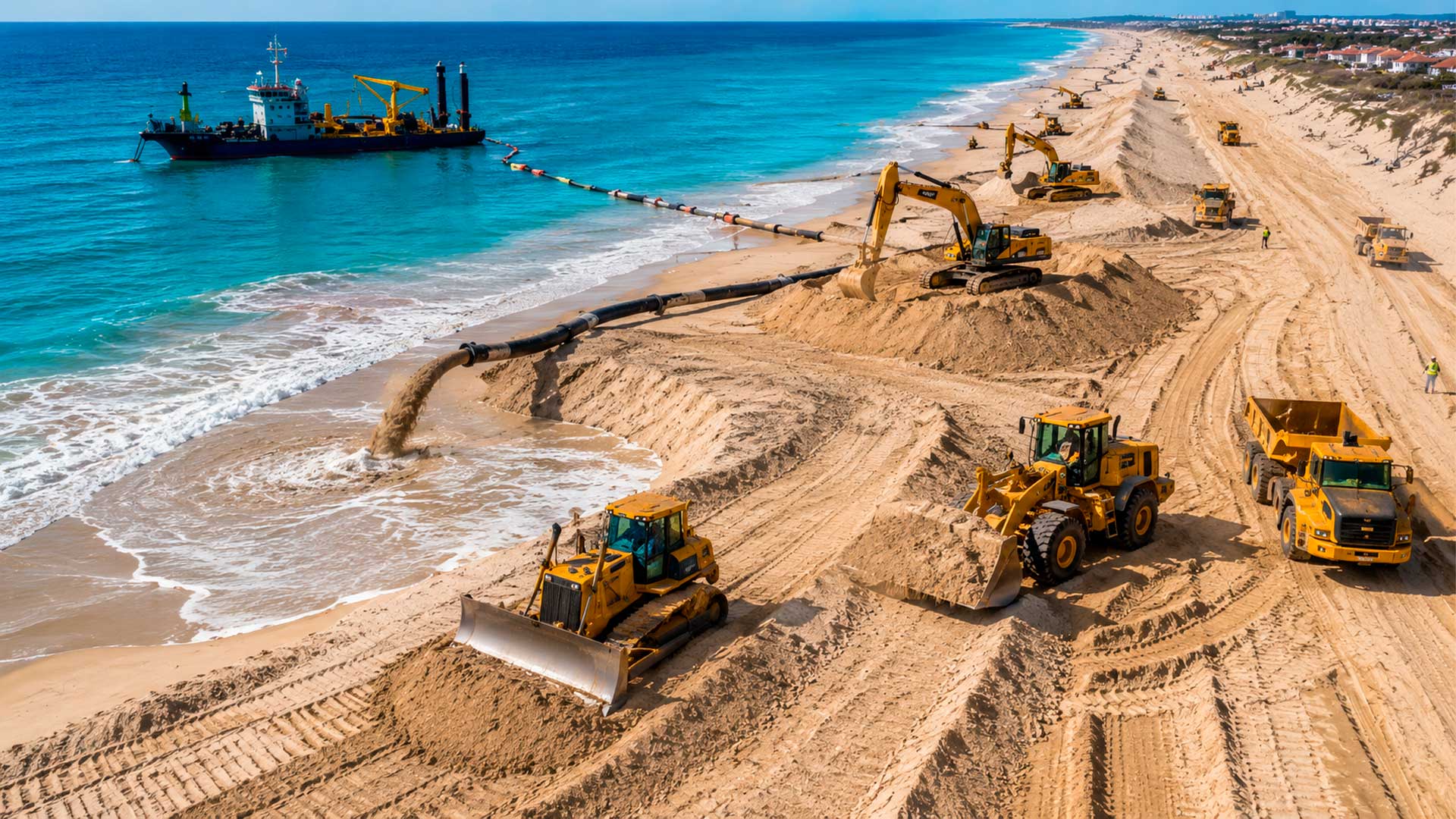
Portugal placed 1.4 million m³ of sand in the Algarve, spent 14.9 million euros to recover 6.7 km of beaches between Quarteira and Garrão, and is now trying to gain 37.5 meters of shoreline before the sea advances again.

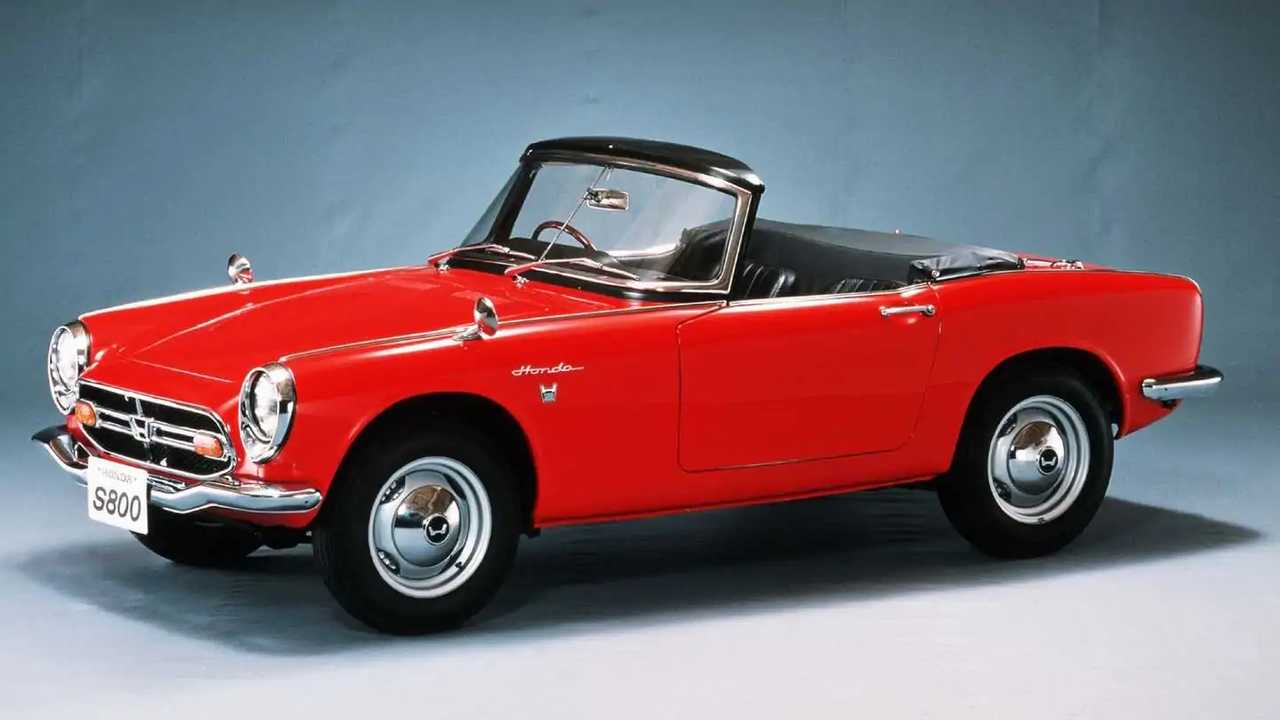
It was during this period that he stopped being just a young man curious about machines and began to see himself as a builder. The experience in the workshop also brought him closer to the world of racing and high-performance mechanics, something that reinforced his obsession with performance, efficiency, and practical solutions.
This beginning helps explain why Honda’s trajectory was different from that of many industrialists of his time. Instead of being born into large business groups or advancing through a traditional academic route, he was trained on the workshop floor, learning from failures, disassemblies, and real tests.
Soichiro Honda’s first company was born with piston rings for Toyota
In 1936, Honda decided to leave the repair work and move to manufacturing. He helped create Tokai Seiki, focusing efforts on the development of piston rings, an essential part for combustion engines, in an attempt to supply manufacturers like Toyota.


The progress, however, was not immediate. Honda’s official history records that the first batches did not meet the required quality standards and that Honda had to study metallurgy, visit universities and steel companies, and deepen his technical base to correct the production process.
This period was decisive because it showed a characteristic that would later define the company: the refusal to abandon a project in the face of initial rejections. Instead of giving up, Soichiro Honda turned technical failures into fuel for industrial evolution.
War, bombings, and earthquake destroyed the structure he had built
When Tokai Seiki began to scale up, the war hit the operation hard. The company’s official history states that during the conflict, the company came under the control of the Ministry of Munitions, and the production structure began to operate under increasing pressure.
The hardest blow came with the physical destruction of the factories. One plant was hit in 1944 by bombing, and another collapsed after the Mikawa earthquake in 1945, practically eliminating the industrial base that Honda had taken years to build.
Unable to rebuild the operation in that scenario, he sold the salvageable remnants of the company to Toyota. This closure, which could have marked the end of his industrial career, ended up serving as a starting point for the most important phase of his journey.
Motorized bicycles paved the way for the founding of Honda Motor
In post-war Japan, cheap mobility was an urgent need. It was in this context that Soichiro Honda began adapting small engines to bicycles, creating a simple, functional, and accessible solution for a country still facing scarcity and reconstruction.
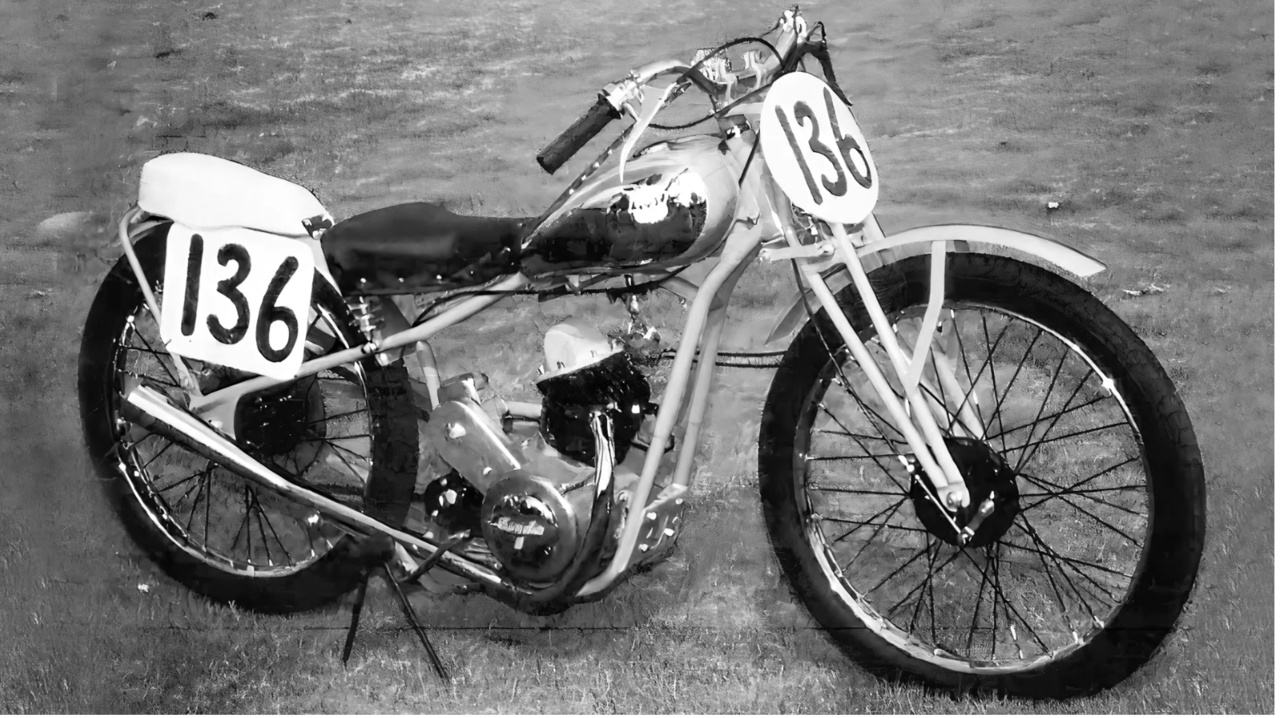
The new initiative evolved quickly. On September 24, 1948, Honda Motor Co., Ltd. was officially born, with capital of 1 million yen and 34 employees, including Soichiro Honda himself. The date is treated by the company as the formal milestone of the company’s birth.
This moment also marked the partnership with Takeo Fujisawa, who helped provide administrative and commercial consistency to the project. While Honda focused on technical and product development, Fujisawa contributed to structuring the business expansion.
Dream D-Type and Super Cub transformed Honda into a global powerhouse on two wheels
Consolidation came soon after. In 1949, Honda launched the Dream D-Type, regarded by the company as its first major motorcycle model and the milestone marking the beginning of the company’s mass motorcycle production.
The expansion took on another dimension in 1958, with the launch of the Super Cub C100. The model would become one of the most emblematic products in the history of individual mobility and would help boost the brand’s international presence on an unprecedented scale.
The numbers show the reach of this growth. In May 2025, Honda announced that its cumulative global motorcycle production reached 500 million units, a result built over 76 years since the start of mass production with the Dream D-Type.
The company created in the post-war period became one of the global giants of mobility
Honda ceased to be just a Japanese motorcycle manufacturer and spread across various markets. According to the company, its global motorcycle production today has an annual capacity of over 20 million units, distributed across 23 countries and regions and 37 production entities.
Throughout this expansion, the company expanded its reach to automobiles, engines, power equipment, and other engineering fronts. The name Honda came to represent not only motorcycles but also an industrial culture based on continuous improvement, global scale, and adaptation to different markets.
This growth helps to gauge the distance traveled since the days of workshops and improvisation in post-war Japan. The business that started amid scarcity turned into a multinational with industrial and commercial presence on several continents.
Soichiro Honda’s legacy remains linked to practical engineering and restarting
Even after leaving the presidency of the company, Soichiro Honda remained associated with the culture he helped build. The company’s own historical narrative reinforces that his vision combined innovation, practical engineering, industrial ambition, and the belief that technology only makes sense when it improves people’s lives.

His story continues to draw attention because it brings together rare elements in a single trajectory. There was a humble origin, early entry into mechanical work, technical failure, destruction caused by war, loss of factories, and yet, the ability to restart with a simple product until reaching global scale.
That is why the trajectory of Soichiro Honda remains one of the most symbolic in the global industry. The young man who grew up in a small bicycle workshop turned technical defeats and historical shocks into the foundation for creating one of the most recognized brands on the planet.