Portuguese
  Spanish


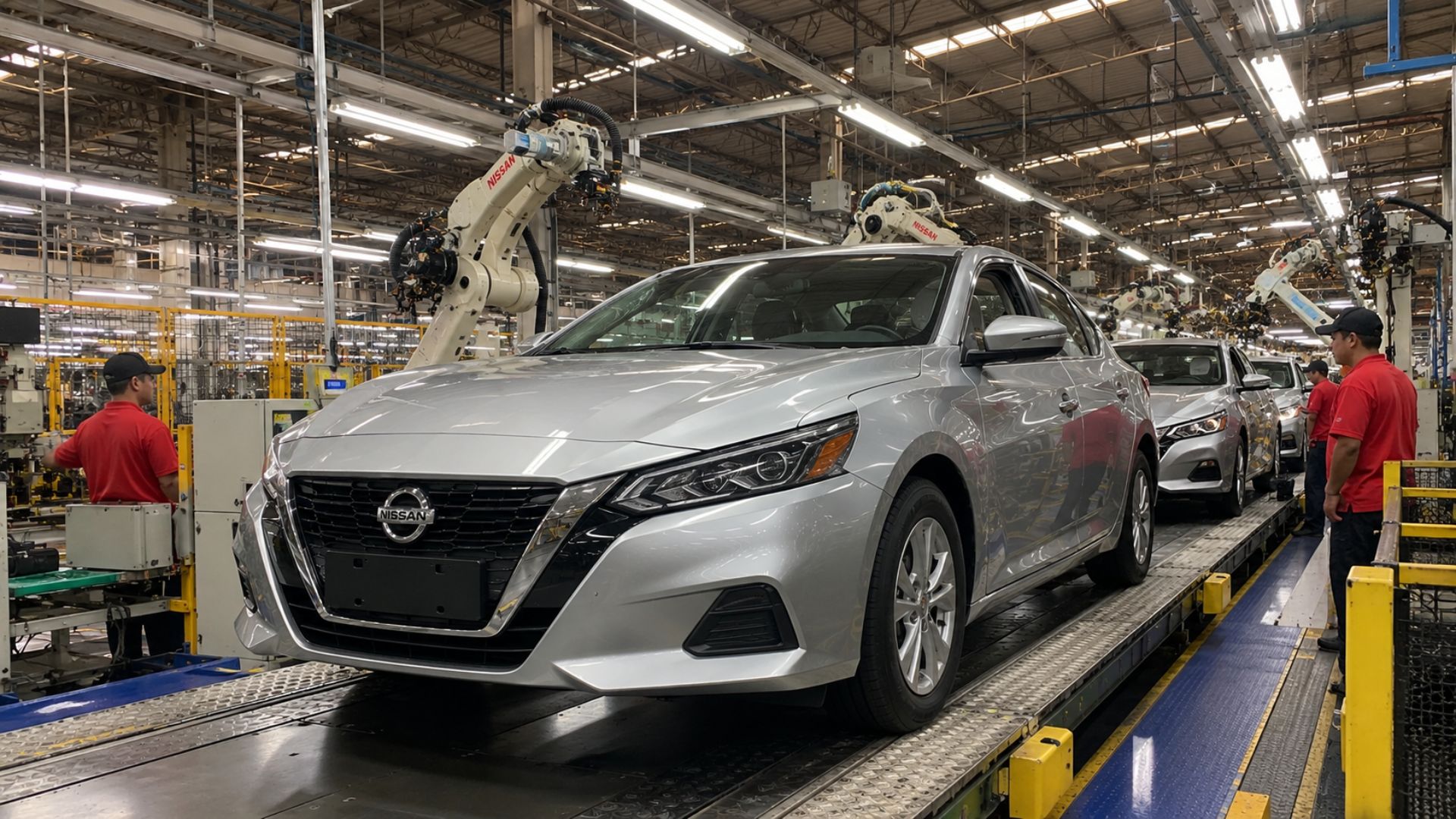

Farewell to the Nissan Sentra in Brazil marks an important change among mid-size sedans, a segment pressured by SUVs, hybrids, and electrics. Still listed by the brand, the model retains a 2.0 engine, CVT transmission, good trunk space, and prices close to more modern SUVs.
Nissan is preparing to end the Sentra’s journey in Brazil, in a move that further reduces the presence of traditional mid-size sedans in the national market.
Although it remains listed on the brand’s website, the model already has a limited future in the country and is going through the final moments of its commercial cycle.
According to VRUM/Correio Braziliense, in a publication on July 7, 2026, the manufacturer confirmed that the Sentra is reaching the end of its life in the Brazilian market.
-
New Law Proposal in Brazil Could Heavily Penalize Drivers: Dangerous Overtaking May Become a Serious Offense with Fines Increased Tenfold and a 12-Month License Suspension; Update on 2026 Progress

-
Electric Revolution: Watts W125 Motorcycle Offers 160 km Range, 90 km/h Speed, and Affordable Price Starting at $3,000

-
General Motors Replaces Over a Thousand Workers with 50 Cobots at Electric Vehicle Plant, UAW Union Criticizes Move Amid Industry’s Automation Push
-
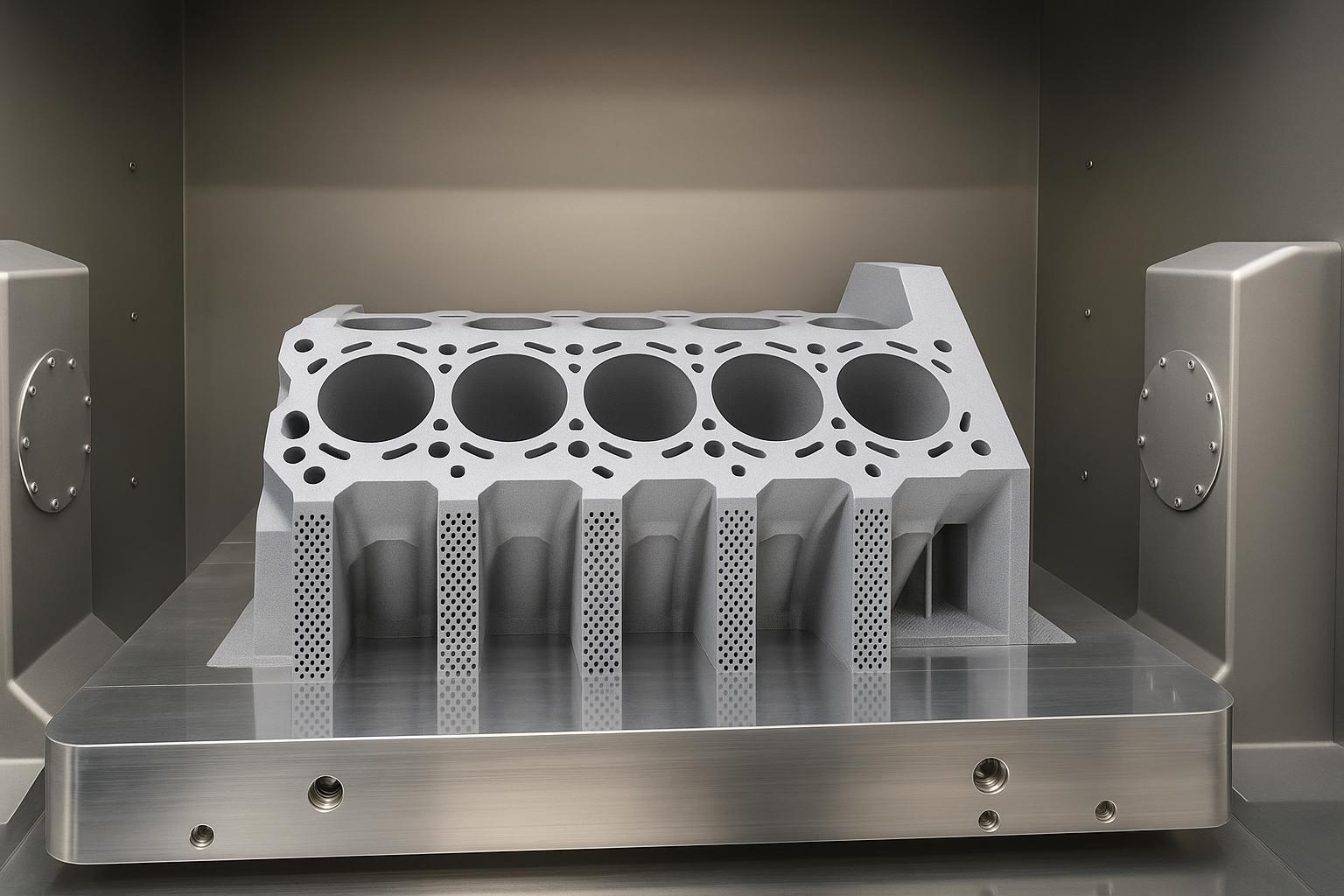
Bosch and Nikon 3D Print Entire Aluminum V8 Engine Block, Sparking New Competition in the Automotive Industry


In the 2026 lineup, Nissan Brazil still displays two versions on the official configurator: 2.0 Advance CVT and 2.0 Exclusive CVT Interior Premium.
The suggested prices informed by the brand are R$ 174,490 and R$ 198,790, respectively, values that place the sedan in a range dominated by SUVs and electrified options.
Nissan Sentra 2026 loses ground in Brazil
The departure of the Sentra occurs at a time of increasing pressure on mid-size sedans, which have lost strength in the face of compact SUVs, mid-size SUVs, and hybrid models.
In the case of the Nissan model, the low sales volume weighed on the decision: VRUM reported, based on Fenabrave data, that 341 units were registered in 2026.
Imported from Mexico, the Sentra preserved a classic proposal, with a three-volume body, comfortable cabin, good interior space, and ample trunk.
This formula, once valued by consumers seeking family comfort, began to face a market more interested in elevated driving position, SUV design, and electrification technologies.
2.0 Engine, CVT Transmission, and Sentra’s Consumption
In the technical specifications, the Sentra still gathers relevant characteristics for those looking for a comfortable, predictable sedan with well-known mechanics.
Nissan Brazil reports 2.0 gasoline engine, four cylinders, direct injection, 151 hp at 6,000 rpm and torque of 20 kgfm at 4,000 rpm.
Coupled with the Xtronic CVT transmission with D-Step and paddle shift, the set always works with front-wheel drive and prioritizes smoothness in responses.
The consumption reported by Inmetro is 11 km/l in the city and 14 km/l on the highway, performance that allows an approximate range of up to 658 km in road use, considering the 47-liter tank.
More focused on comfort than sportiness, the sedan combines McPherson front suspension, independent multilink rear suspension, 17-inch wheels, and trunk of 466 liters.
This package reinforces the proposal of a car for trips and family use, but it was no longer enough to keep the model competitive in an increasingly contested category.
Equipment still helps, but does not renew the model
Among the safety and convenience items, the Sentra 2026 offers advanced forward collision warning, intelligent braking assistant, dual-zone digital air conditioning, and driver’s seat with electric adjustment.
The package also includes cruise control with steering wheel commands, intelligent 360 vision with moving object detection, and blind spot monitoring in the more complete versions.
The list also includes intelligent automatic headlights, rear cross-traffic alert, and lane departure prevention assistant, important features for the sedan’s proposal.
Even so, the 8-inch multimedia center and the panel with a 7-inch central display have started to convey a less current feeling compared to rivals with more digital cabins.
With hybrids and electrics gaining ground, the competition has moved beyond just combustion sedans and now includes cars with a technology appeal, consumption, and a modernity image.
In this scenario, buying a mid-size sedan is no longer an automatic choice for families that previously prioritized comfort, trunk space, and finish over a higher driving position.
Nissan N7 may open another chapter
The possible arrival of the Nissan N7 indicates a change of direction within the brand’s strategy, focusing on a larger electric sedan more aligned with the new phase of the sector.
Developed in China in partnership with Dongfeng, the model has already been spotted in tests in Brazil, but Nissan has not yet officially confirmed the car as the direct successor to the Sentra.
Compared to the sedan currently sold in the country, the N7 belongs to another category of size, technology, and positioning.
According to VRUM, the electric vehicle is 4.93 meters long, with a wheelbase of 2.91 meters, a 272 hp engine, a 73 kWh battery, and a declared range of up to 600 km in the Chinese cycle.
The Brazilian Sentra measures 4.646 meters in length, 1.816 meters in width, 1.456 meters in height, and 2.707 meters in wheelbase.
The difference in dimensions shows that a possible replacement would not just be a generational substitution, but a strategic shift to bring Nissan closer to a more electrified market.
Mid-size sedans face a market shift
In the Brazilian portfolio, Nissan continues with models like Kicks, Kait, Versa, and Frontier listed in the brand’s official navigation.
This configuration helps explain the isolation of the Sentra, which became expensive to compete in volume, too traditional to face electrified models, and less desirable than SUVs in the same price range.
For years, mid-size sedans represented status, comfort, and family reliability for an important segment of Brazilian consumers.
Now, these models need to justify price, technology, consumption, and resale value against competitors with higher bodies, more digital cabins, and greater commercial appeal.
For those still seeking a gasoline mid-size sedan, the last units may make sense when negotiated price, dealership bonuses, and resale cost are factored in.
For Nissan, however, the scenario points to a phase more connected to electrification than to the classic formula that sustained the Sentra for so long.
If a comfortable, spacious sedan with well-known mechanics is no longer enough to stay in the market, has the Brazilian consumer abandoned this type of car, or are they still waiting for a new, more technological generation?