






 Portuguese
  Spanish
  2 min of reading
  0 comments


The new operation combines flat rack and Ro-Ro ships to accelerate landings, expand logistical flexibility, and supply dealerships, using Stellantis centers in Rio de Janeiro and Minas Gerais for inspection and distribution
Leapmotor adopted the flat rack system as a complementary alternative to Ro-Ro ships to import vehicles through the port of Itaguaí, in Rio de Janeiro. The inaugural operation landed more than 700 cars in about 270 metal structures, while the Sepetiba Tecon terminal has already received more than 1,800 units of the brand.
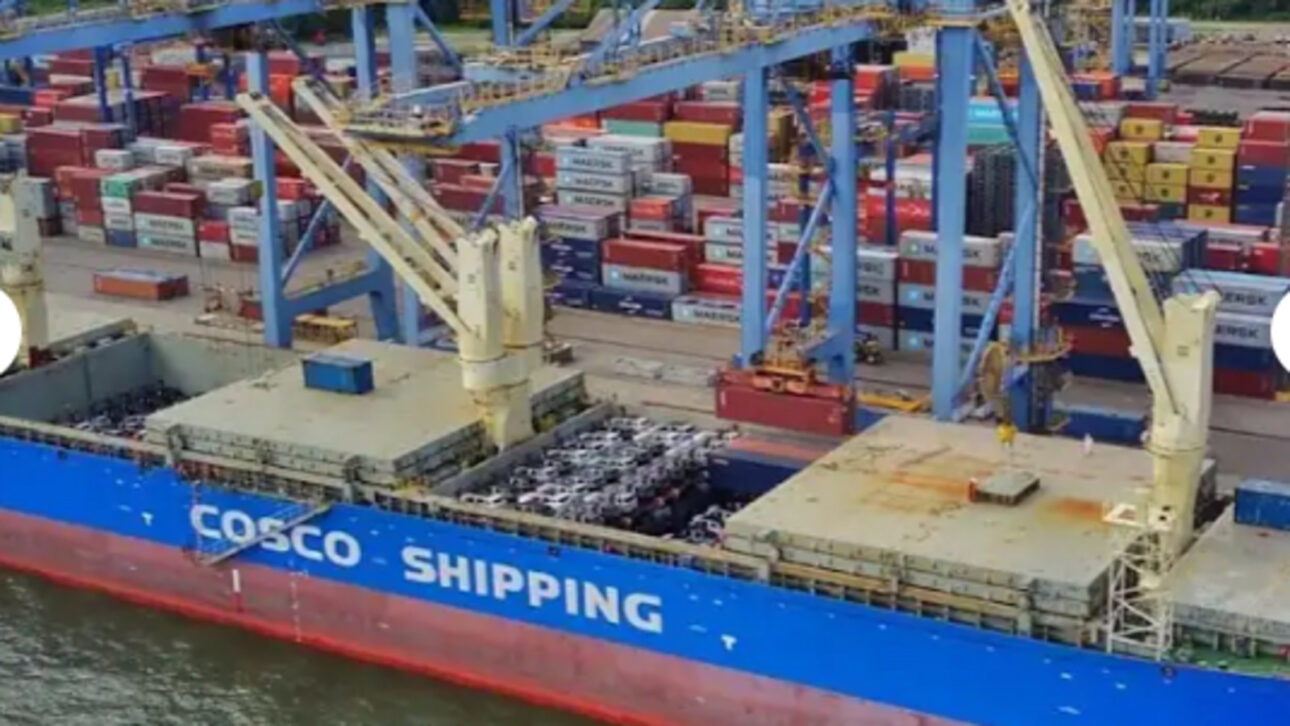
How flat rack transport works
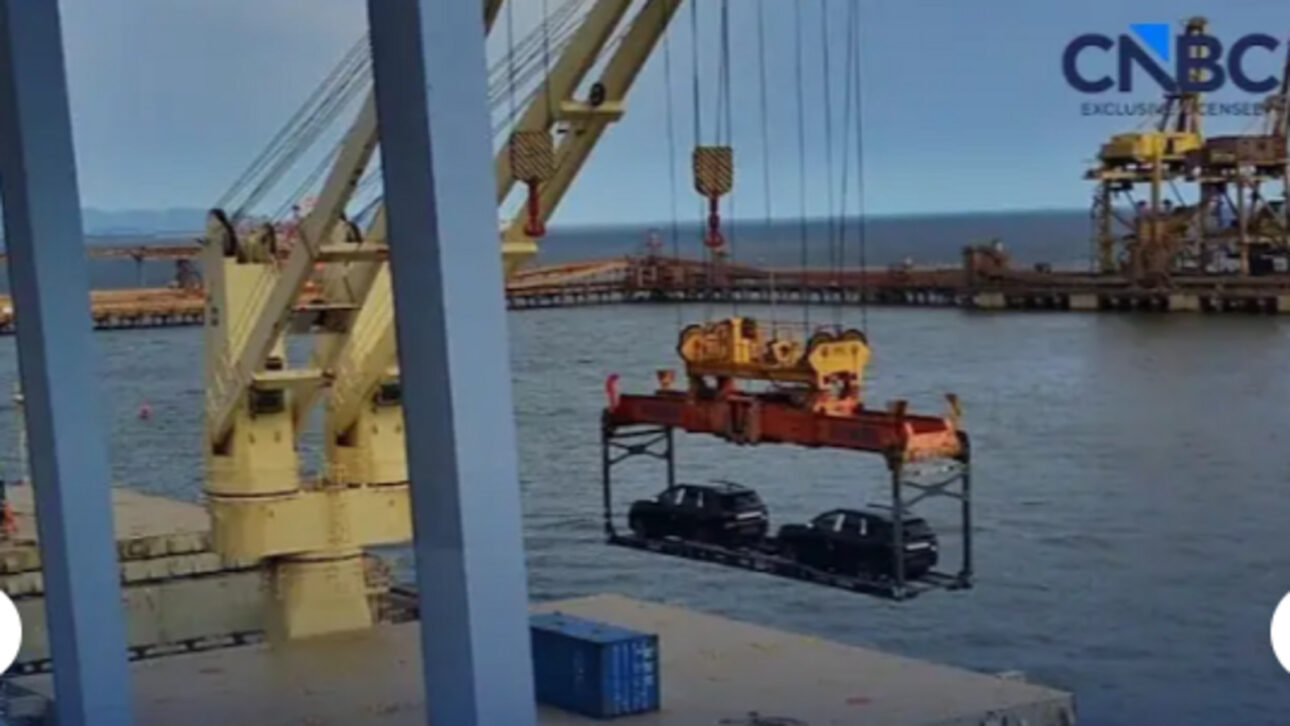
In the Ro-Ro system, vehicles enter and exit the ship by driving under their own power. In the flat rack, each car is attached to a metal structure, moved by cranes similar to those used in container transport.
The method prevents cars from being driven inside the vessel and allows for the use of different types of ships.
-
Uber Faces Shareholder Scrutiny as Board Accused of Ignoring Safety, Compliance, and Harassment Warnings Amid Over 3,500 U.S. Lawsuits

-
Ferrari’s First Electric Car Divides Fans, Priced at $630,000, Amid Concerns Over Limited Editions; Brand Clarifies It’s Not Just for Future Perks
-
BYD Dolphin Mini: The Electric Car That Defies Depreciation, Losing Only 3.58% in a Year and Becoming the Best-Selling Retail Model Under $22,000

-
Electric Car JAC E-JS4 Loses $19,000 in Value in One Year, Leading Record Depreciation of Used Cars in Brazil Due to Expensive Battery and New Models


Thus, Leapmotor reduces dependence on Ro-Ro vessels and gains flexibility to schedule new loads.
Operation uses Stellantis logistics structure
Leapmotor was a pioneer in using this format at the Sepetiba Tecon terminal. After disembarkation, the vehicles are placed on car carrier trucks and transported to Stellantis centers in Porto Real, Rio de Janeiro, and Juiz de Fora, Minas Gerais.
In these units, the cars undergo pre-delivery inspection, known as PDI. Then, they are sent to dealerships through the same logistics chain used by other brands in the group.
Models imported through the port of Itaguaí
The entire line sold by Leapmotor in Brazil arrives through the terminal in Rio de Janeiro. The operation includes the C10 Electric, the C10 Ultra-Hybrid, and the B10 Electric.
The C10 Ultra-Hybrid uses REEV technology, in which the combustion engine only acts in energy generation.
The combination of flat rack and Ro-Ro aims to accelerate the replenishment of the brand’s stocks, which began its activities in the Brazilian market at the end of 2025.
Founded in 2015, in Hangzhou, China, Leapmotor received Stellantis as a partner in 2023. The following year, the companies created Leapmotor International to bring Chinese electric vehicles to new markets.
This article was prepared based on information from Leapmotor and Stellantis, with data, numbers, and statements preserved as per the consulted material.





Be the first to react!