






 Portuguese
  Spanish
  2 min of reading
  0 comments


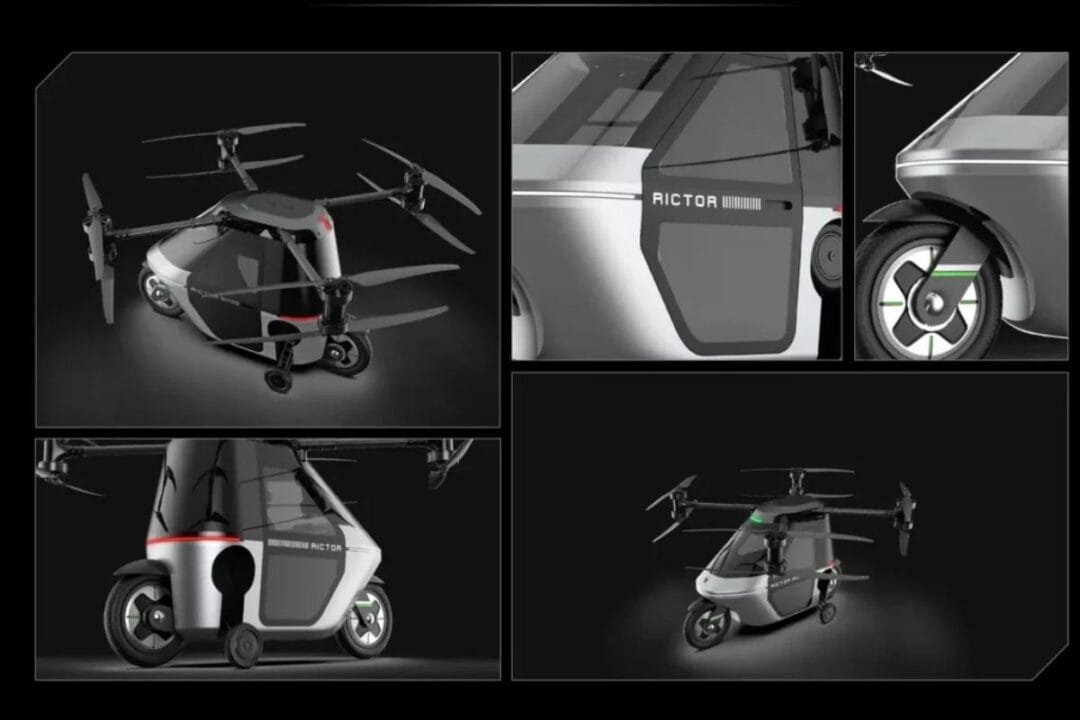
Skyrider X1 Prototype Was Unveiled at CES 2025 and Promises Individual Flights with Autopilot, Parachute, and Carbon Fiber Structure
Forget flying cars. The new trend is flying scooters, compact, lightweight vehicles designed to carry only one person, both on the ground and in the air. The concept was revealed at CES 2025 by the Chinese company Rictor and has already attracted worldwide attention for its bold and viable proposal.
Named Skyrider X1, the prototype is a closed scooter built with carbon fiber, equipped with autopilot technology, a parachute system, and integrated route planning. The estimated maximum speed is 100 km/h and the flight time reaches 40 minutes.
Skyrider X1 Combines Personal Mobility with Autonomous Flight
What differentiates flying scooters from other urban aircraft is their simplicity. The Skyrider X1 was designed for individual transport, with a lighter structure and less mechanical complexity. This reduces costs and expands the possibilities for practical application.
-
Uber Faces Shareholder Scrutiny as Board Accused of Ignoring Safety, Compliance, and Harassment Warnings Amid Over 3,500 U.S. Lawsuits

-
Ferrari’s First Electric Car Divides Fans, Priced at $630,000, Amid Concerns Over Limited Editions; Brand Clarifies It’s Not Just for Future Perks
-
BYD Dolphin Mini: The Electric Car That Defies Depreciation, Losing Only 3.58% in a Year and Becoming the Best-Selling Retail Model Under $22,000

-
Electric Car JAC E-JS4 Loses $19,000 in Value in One Year, Leading Record Depreciation of Used Cars in Brazil Due to Expensive Battery and New Models


In addition to the carbon fiber body, the model features a flight assistance system powered by artificial intelligence. The user can select the route and activate the autopilot for safe takeoffs and landings. In case of failure, the integrated parachute deploys automatically.
Promising Performance and Focus on Individual Safety
With the ability to reach up to 100 km/h in flight and a range of 40 minutes, flying scooters position themselves as a practical alternative for urban and emergency transport. For now, the Skyrider X1 does not accommodate additional passengers, which reduces weight and simplifies control.
The Rictor project is still conceptual, with visuals developed by CGI, but engineering is already in testing phase on the ground. The next step is to initiate controlled flights in open environments under the supervision of Chinese authorities.
CES 2025 Strengthens Global Bet on Personal Aviation
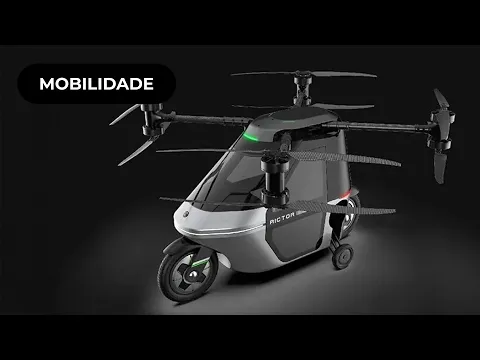

The presentation of flying scooters at the world’s largest technology fair is not just a marketing gimmick. It signals a shift in the focus of the air mobility industry, which is now investing in smaller, more agile vehicles with a greater chance of mass adoption.
With the Skyrider X1, China reinforces its position as a leader in transportation innovation, paving the way for future regulations, technical certifications, and possibly commercialization by the end of the decade.





Be the first to react!