Portuguese
  Spanish


Chinese Rice Grows in Saline Water and Could Revolutionize Global Food Security, with High Yields and a Goal of Feeding Millions by 2030.
China is transforming previously barren lands into fertile fields capable of sustaining millions of people. The so-called salinity-tolerant rice, popularly known as seawater rice, was initially developed by the legendary agronomist Yuan Longping, the “father of hybrid rice,” and is now led by the Qingdao Research Center.
The grain can grow in saline soils and even in areas irrigated with diluted seawater, achieving yields of up to 8.8 tons per hectare. The goal is ambitious: by 2030, this technology could feed more than 200 million people, in a world where food security is becoming increasingly strategic.
Salinity-Tolerant Rice: The Science Behind the Innovation
The secret of Chinese rice lies in its ability to withstand conditions that would render any traditional crop unviable. Thanks to genetic selection and hybrid improvement, the grain thrives in environments where the salt concentration would be lethal to common varieties.
-
Centuries Before Modern Greenhouses, English Gardeners Used Horse Manure to Grow Pineapples in Cold Climates

-
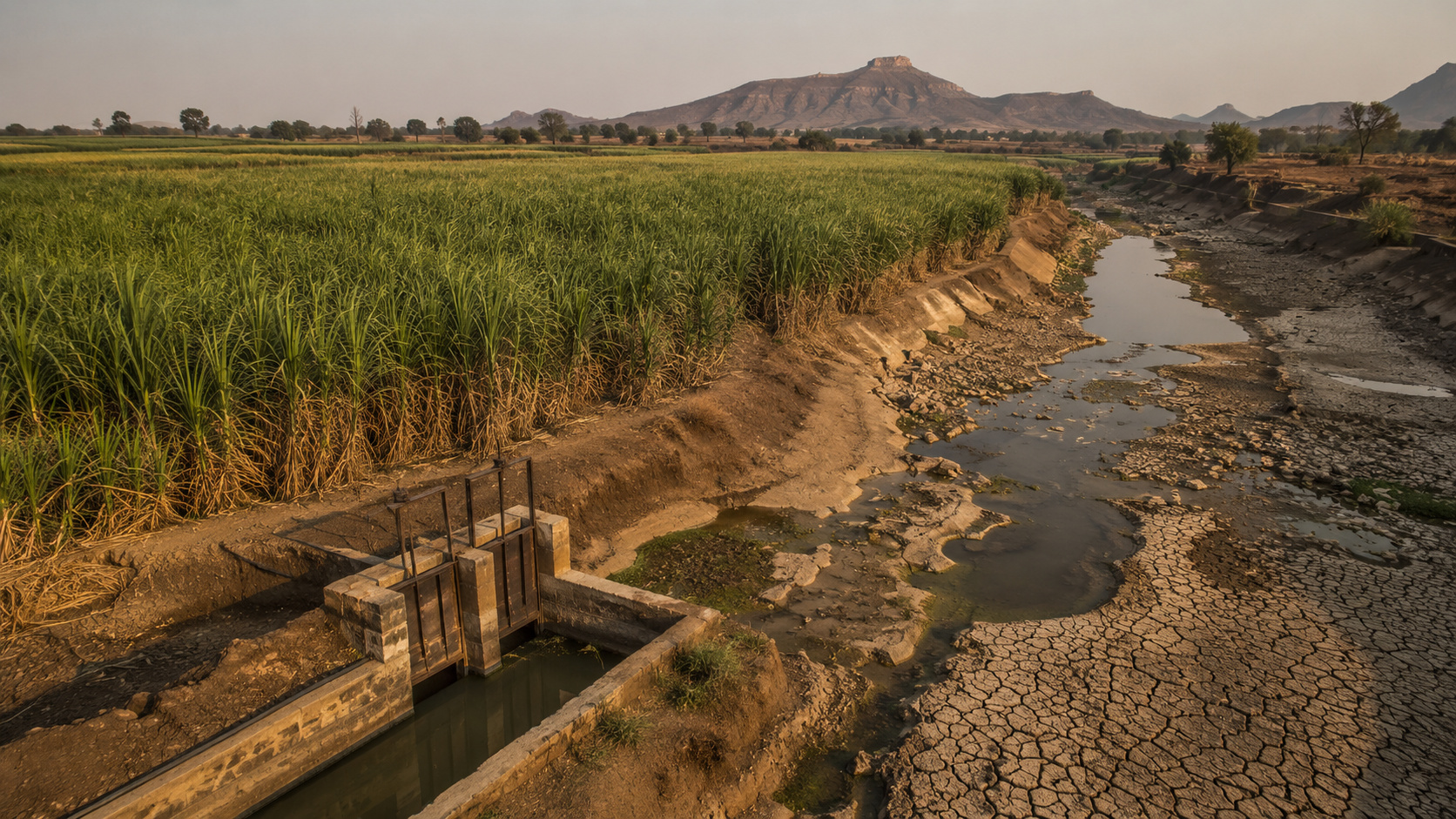
Sugarcane Cultivation in India: A Symbol of Water Stress and Environmental Strain Amidst Global Demand for Sugar and Green Fuel

-
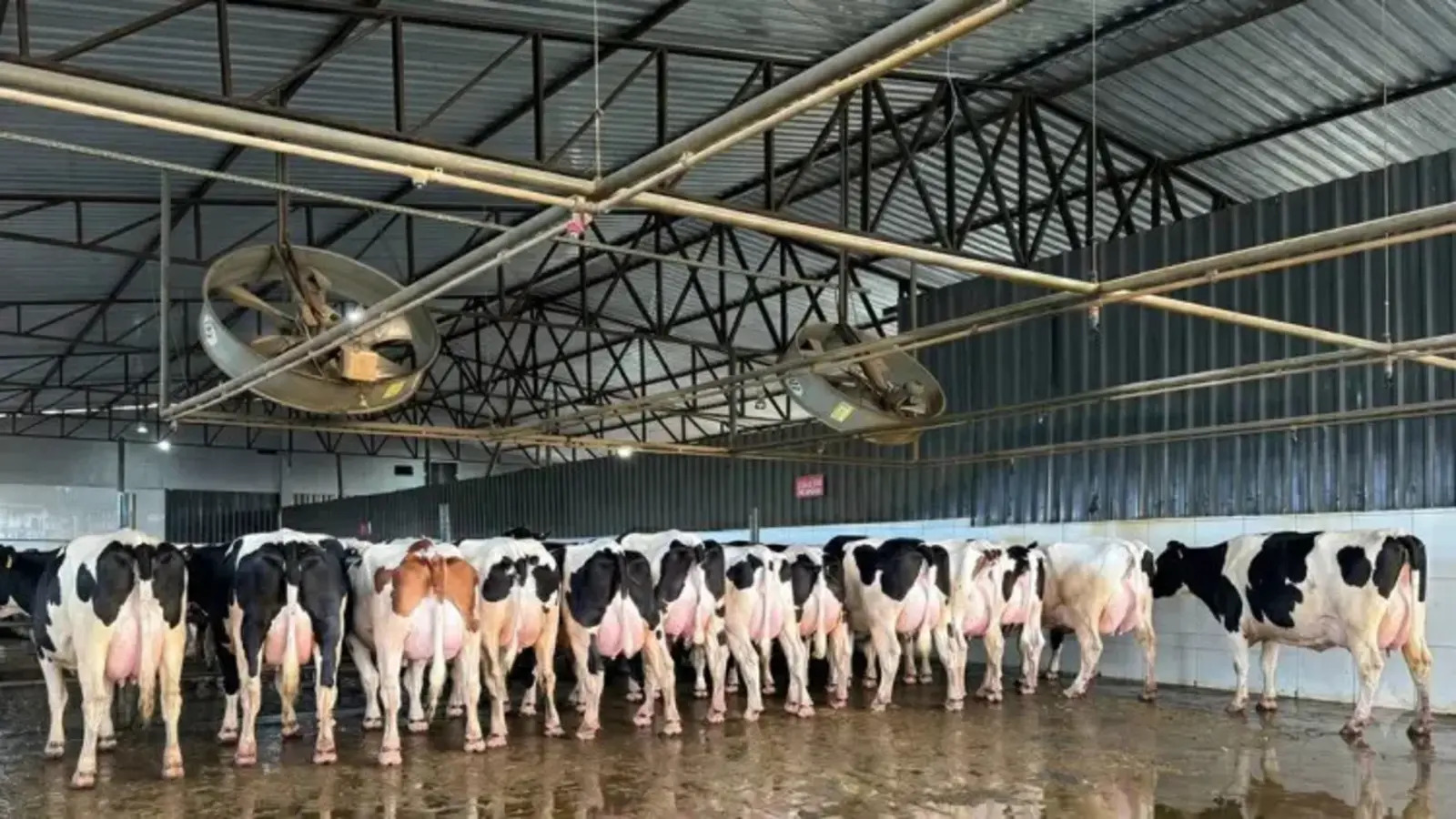
Innovative Farm in Northeastern Brazil Combats Drought with Advanced Techniques, Aiming for 10,000 Liters of Milk Daily Production

-
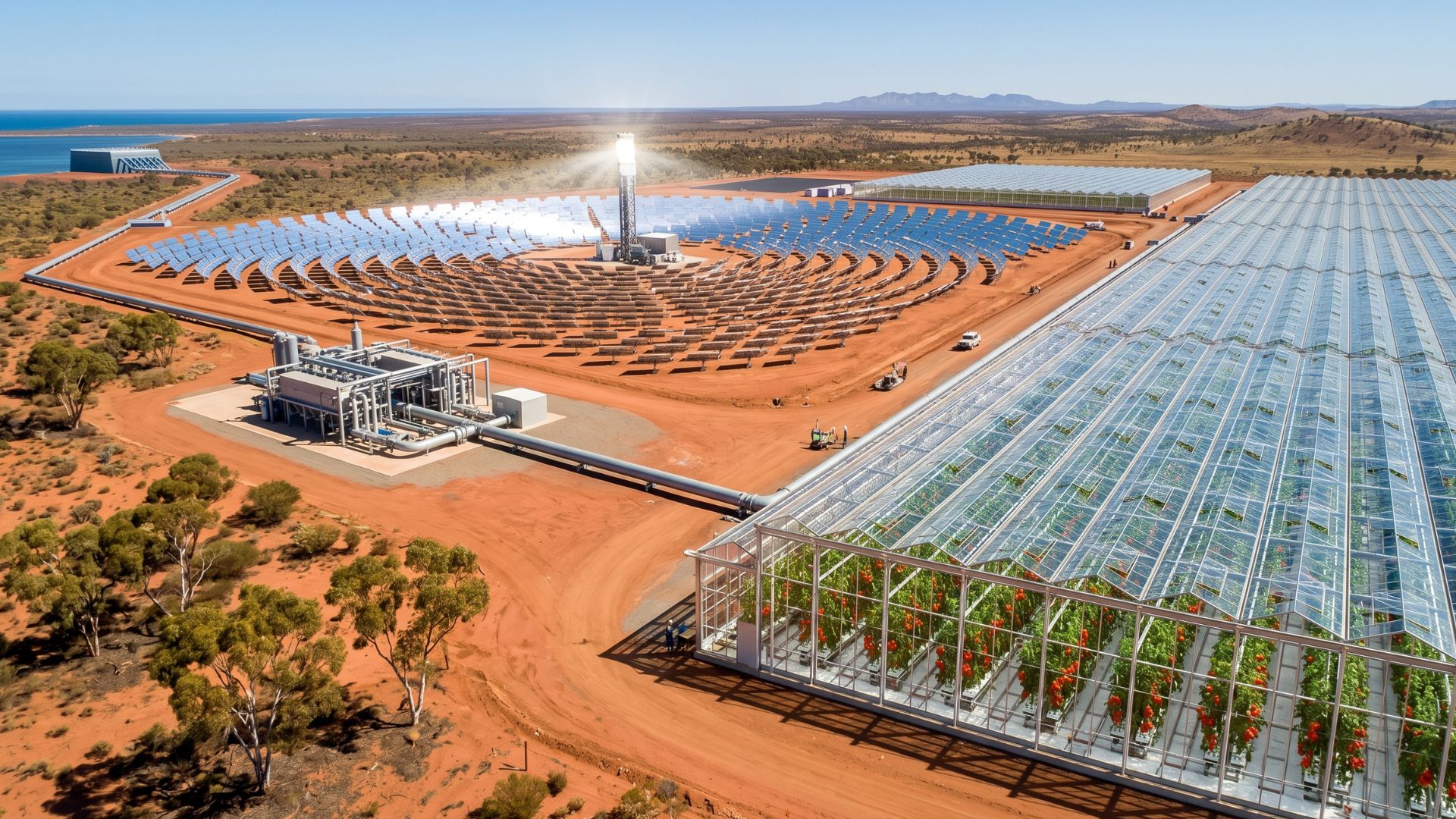
Australian Desert Farm Uses Solar Power and Seawater to Produce 15,000 Tons of Tomatoes Annually, Resembling a Sci-Fi Agricultural Innovation

This opens a window of possibilities for countries facing soil salinization, a problem that already affects about one-third of global agricultural land.
Record Production in Previously Unproductive Areas
According to data from the Qingdao Center and academic records, more than 400 thousand hectares are already cultivated with salinity-tolerant rice in China.
In some locations, tests have shown productivity of 8.8 t/ha, rates comparable to or even exceeding those of conventional fertile fields.
Additionally, the Chinese government plans to expand to millions of hectares in the coming years, reclaiming degraded soils and increasing food production without requiring new agricultural frontiers.
Potential to Feed 200 Million People by 2030
The vision of Yuan Longping remains alive: transforming saline lands into granaries. It is estimated that if China can convert 133 million hectares of saline soil into productive land, the additional rice production could reach 50 billion kilograms — enough to feed 200 million people.
This goal has a clear deadline: 2030, when the country hopes to consolidate its food security and reduce dependence on strategic imports.
Geopolitical Strategy and Impact on International Trade
The Chinese race for seawater rice goes beyond agricultural science. In a scenario of climate change, population growth, and pressure on food prices, the ability to transform unproductive land into productive land means geopolitical power.
Each reclaimed hectare equates to less external dependence and a positional advantage in international grain trade.
For the global market, this could mean stability in prices while posing challenges for rice-exporting countries that will see China reduce its imports.
A Silent Revolution in Food Security
While part of the world still debates how to tackle the climate crisis and soil salinization, China is betting on technology to turn salt into rice.
The innovation is no longer a distant promise: it is in the fields, growing in previously abandoned areas, and points to a future where biotechnology will be as decisive as oil was in the 20th century.
The story of seawater rice is more than agricultural science: it is a global survival strategy. In times of food uncertainty, the salt-resistant grain shows that the battle for the future can be won not just with weapons or treaties, but with seeds.