Portuguese
  Spanish


Vice-President Geraldo Alckmin announced at the opening of the 31st Agrishow in Ribeirão Preto (SP) the release of R$ 10 billion in credit for farmers to acquire machinery through the Move Agrícola program, with single-digit interest rates and funds available in three weeks, in addition to debt renegotiation for defaulting producers and a reformulation of rural insurance, which currently covers only 7.8% of the national planted area.
The federal government has made R$ 10 billion in credit available to Brazilian farmers to finance the purchase of agricultural machinery and implements, an announcement made by Vice-President Geraldo Alckmin this Sunday (26) during the official opening of the 31st edition of Agrishow, in Ribeirão Preto (SP). The Move Agrícola program, a rural version of Move Brasil, offers reduced single-digit interest rates, and funds will be available in the next three weeks through an operation structured by Finep (Financiadora de Estudos e Projetos) in partnership with Banco do Brasil and other financial institutions. For indebted farmers, the package includes debt renegotiation that covers both compliant and defaulting producers, acknowledging that a significant portion of the sector has accumulated debts aggravated by climatic and market fluctuations.
The reformulation of rural insurance was another central commitment of the announcement. Deputy Arnaldo Jardim, vice-president of the FPA (Parliamentary Front for Agriculture), warned during the event that the current insurance coverage reaches only 7.8% of the national planted area, a number that exposes millions of farmers to the risk of losing entire harvests without any financial compensation. The expansion of insurance is a long-standing demand from the sector, and the government committed to expanding coverage while respecting the limits of fiscal responsibility, an balance that will determine the speed and scope of the reform.
How the R$ 10 billion Move Agrícola credit works for farmers

The money will be primarily allocated to producers who need to renew or acquire equipment for their properties. Interested farmers must choose the desired machine or implement, request a quote from an authorized dealership, and submit a technical project or financing proposal to Banco do Brasil or partners accredited by Finep. Required documentation includes proof of rural activity such as DAP (Declaration of Aptitude for Pronaf), CAR (Rural Environmental Registry) or property documentation, in addition to personal data and the equipment quote.
-
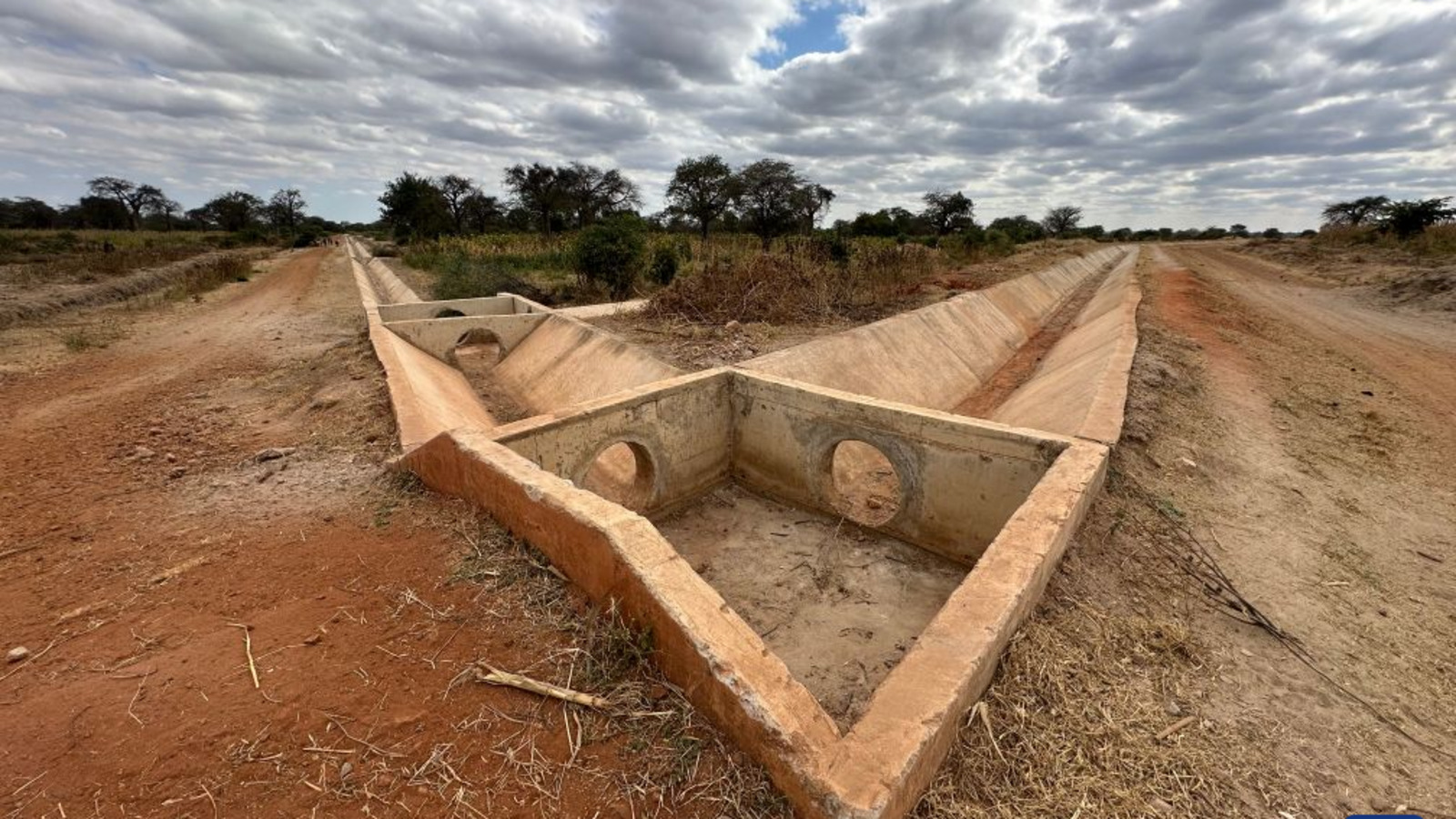
China Builds 400-Hectare Irrigation System in Tanzania to Aid 1,000 Families Dependent on Rainfall

-
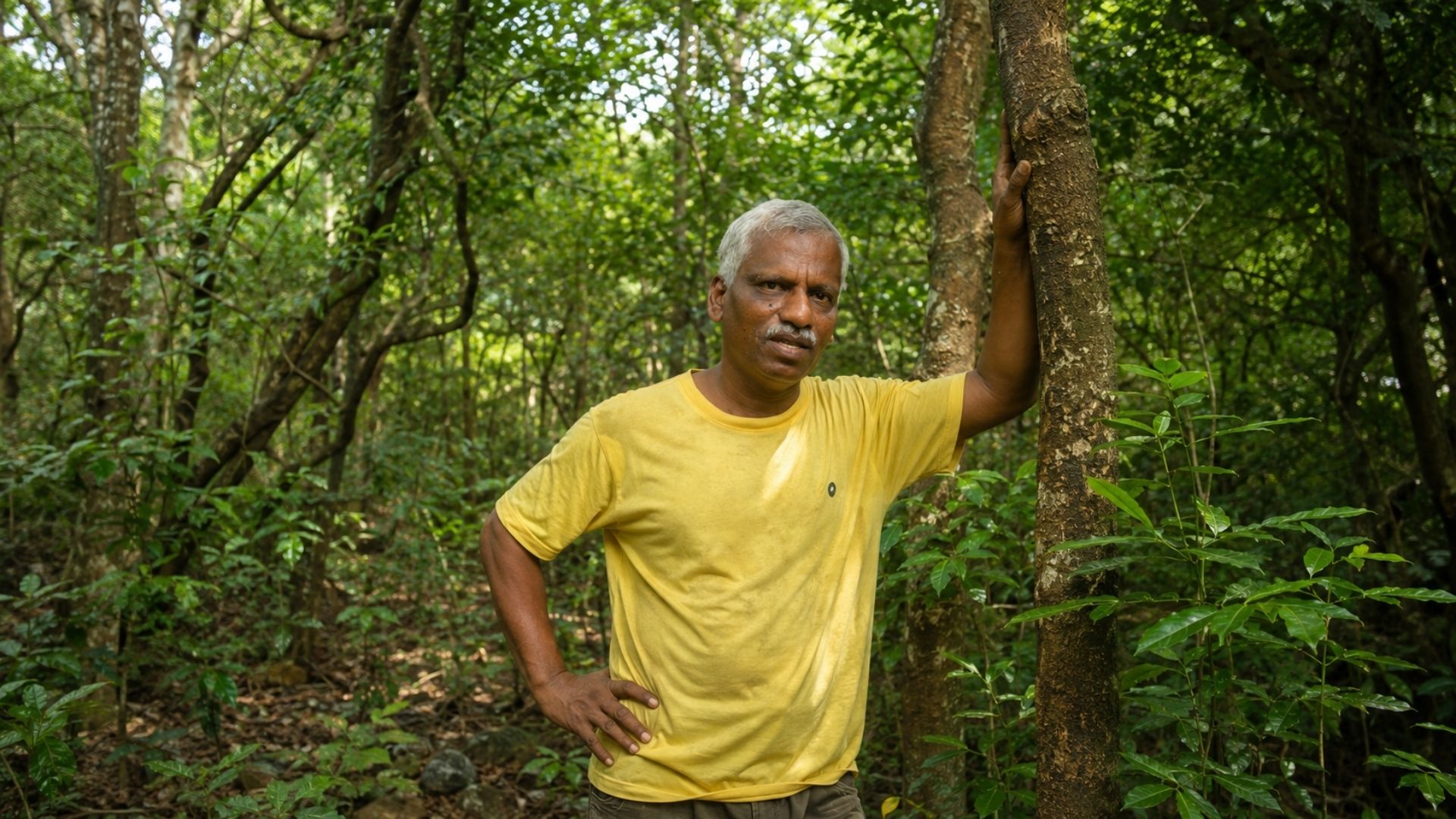
High School-Educated Farmer in India Converts 40 Hectares of Arid Land into Native Forest with 900 Species and Up to 40,000 Trees

-
After Two Years of Water Scarcity, Brazilian Farmer Finds Well on Her Land, Boosting Mango and Passion Fruit Production in Central Brazil

-
Cashew Becomes Billion-Dollar ‘Superfood’ in Ivory Coast: 1.6 Million Hectares of Monoculture Encroach on Forests as Families Trade Food for Nuts


The breadth of the program is remarkable. Family farmers, medium and large producers (individuals), companies with proven rural activity, cooperatives and associations that need machinery for collective use, and producers linked to the sugarcane chain are eligible for credit. The financial institution will conduct a credit analysis, evaluating repayment capacity and guarantees, which generally involve the financed machine itself, and the government’s stated objective is for the funds to reach farmers quickly to accelerate the technological modernization of Brazilian crops.
Why debt renegotiation is so important for farmers

The renegotiation package acknowledges a reality that the agricultural sector has faced for years: producers affected by droughts, floods, or price drops have accumulated liabilities that prevent them from accessing new credit. By including defaulting farmers in the program, the government allows those who lost harvests due to climate or faced unfavorable markets to reorganize their finances without being excluded from the rural credit system, a condition that would perpetuate the cycle of indebtedness and abandonment of properties. The measure acts as a re-entry point into the market for producers who were left without alternatives after events that rural insurance, with its mere 7.8% coverage, did not cover.
The combination of new credit and renegotiation of old debts caters to two distinct profiles of farmers. Those with their accounts in order can access the R$10 billion to acquire modern machinery; those who are delinquent can first regularize their situation through renegotiation and then access the financing lines. The program’s design prevents the billion-dollar credit from benefiting only producers who are already in a comfortable financial situation, a common distortion in agricultural policies that end up concentrating resources in segments that least need support.
What the 7.8% rural insurance coverage reveals about farmers’ vulnerability
The data presented at Agrishow is alarming: only 7.8% of all planted area in Brazil has agricultural insurance coverage. This means that over 92% of Brazilian farmers cultivate their crops without a financial safety net against losses caused by climatic events such as prolonged droughts, frosts, hail, floods, and gales, risks that in Brazil are not an exception, but routine. When the harvest is lost and there is no insurance, the producer absorbs the full loss, a situation that frequently turns into bank debt that the next production cycle may not be enough to cover.
The promise of rural insurance reformulation aims to correct this vulnerability. The FPA is pushing for a significant expansion of coverage, but the government has conditioned the expansion to the limits of fiscal responsibility, meaning that the program’s growth rate will depend on the available budgetary space. For farmers, the issue is urgent: each harvest without insurance is a gamble that can result in total loss, and the reformulation promised at Agrishow needs to materialize into concrete coverage numbers in the next crop plans so that the discourse does not exhaust itself in intent.
What else the government announced at Agrishow that affects farmers
In addition to credit and insurance, the package presented by Alckmin at Agrishow includes tax and energy policy measures. Starting May 1st, the zero-tariff benefit on over 500 products comes into effect, expanding Brazil’s export capacity, and the consolidating tax reform will bring total export tax relief, a scenario the government bets will attract infrastructure investments and accelerate agricultural GDP growth. The increase in the ethanol blend in gasoline from 30% to 32% was also reiterated as a measure that directly benefits farmers linked to the sugarcane industry.
In the realm of monetary policy, Alckmin commented that the Central Bank is in a fine-tuning phase regarding interest rates. The pause in the monetary easing process, according to the vice-president, is related to international factors including reflections of conflicts involving Iran, a context that keeps interest rates at a high level and makes credit more expensive for farmers who depend on financing to operate. Move Agrícola, with its single-digit rates, acts as partial compensation for this scenario by offering subsidized conditions that the private market does not provide.
What farmers need to do now to access the R$10 billion
The window of opportunity is short. The Move Agrícola funds will be available in three weeks from the announcement, and farmers who wish to access the credit should immediately begin the process of documentation, equipment budgeting, and contact with Banco do Brasil agencies or Finep partners. Those who need debt renegotiation should treat the liability as a priority step, as regularization may be a condition for accessing the new financing lines with the program’s reduced rates.
For farmers following Agrishow and the agricultural sector, the R$10 billion package represents the largest injection of credit directed at agricultural machinery since the beginning of the current administration. If the funds arrive with the promised speed and the announced conditions are confirmed in practice, the program has the potential to modernize thousands of rural properties that operate with outdated machinery and lose productivity due to lack of technology. The challenge will be to ensure that the credit is not concentrated in the hands of large producers and that family farmers can navigate the necessary bureaucracy to access their share of the R$10 billion.
And you, do you think R$10 billion is enough to modernize Brazilian agriculture? Should rural insurance cover more than 7.8% of crops? Leave your opinion in the comments.