






 Portuguese
  Spanish
  2 min of reading
  0 comments


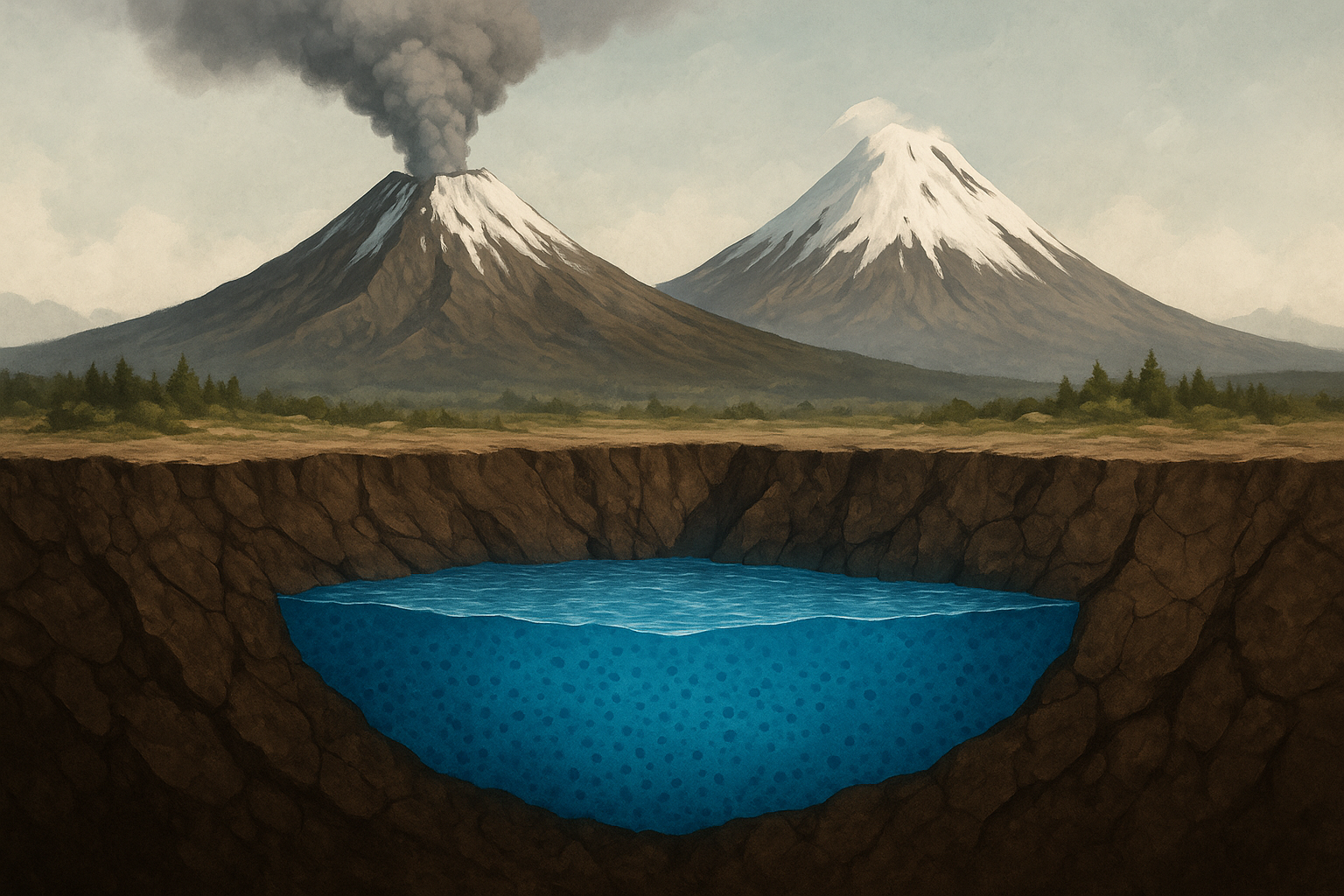
Researchers Discover Huge Aquifer Under Volcanic Rocks, With Subterranean Water Volume Greater Than 81 Cubic Kilometers of Water
Researchers identified a subterranean water storage system under layers of volcanic rock in Oregon. The reservoir contains about 81 cubic kilometers of subterranean water. This volume exceeds previous estimates and reinforces the importance of this water resource for the region.
How The Aquifer Was Found
The study was led by Leif Karlstrom, a volcanologist at the University of Oregon. The reservoir is situated among relatively young volcanic formations.
Elements such as hot springs, porous rocks, and few faults create a complex network of subterranean waters. Ancient lava flows act like sponges, allowing melted snow to infiltrate the ground.
-
Helicopter Drops 180 Tons of Sand and Gravel on Swedish River to Revive Ecosystem Damaged by Decades of Exploitation

-
Brazilian Company Launches Retro Smartphone with 48 MP Camera, T9 Keyboard, and Privacy Features for Social Media-Free Use

-
Self-Taught Chinese Farmer Builds 5-Ton Submarine from Scrap, Launches It in Anhui River
-
Invisible Induction Technology Enables Wireless Power for Blenders, Coffee Makers, and Air Fryers, Reducing Countertop Cables





In the High Cascades, the water supply mainly depends on the snow accumulated on the peaks. When the snow melts, the water seeps through fissures and channels in the volcanic rocks.
Geophysical studies on the surface indicate the depth that the water can reach. Porous rocks store large volumes of water, with subterranean circulation that can last hundreds of years.
Importance To Local Communities
Western U.S. cities need reliable water sources. With climate change exacerbating droughts, this issue becomes even more relevant. Many cities in Oregon and Washington rely on mountain runoff to meet domestic and agricultural needs. The new data helps water planners understand how the aquifer can sustain river flows during the drier seasons.
Comparison With The Columbia River
Gordon Grant, a hydrologist with the U.S. Forest Service, explained that the volume of water found in the central Cascades is equivalent to double the storage capacity of the Columbia River reservoirs.
This number shows how calculations of water resources can change when considering the subterranean aquifer.
Impact On Wildfire Prevention
In addition to supplying cities and farms, large aquifers help protect forests. They maintain a steady flow of rivers and streams during the summer, the driest period.
This subterranean water nourishes plant roots and supports ecosystems, even when the surface faces severe droughts. With the increase in wildfires in the western U.S., this water source can reduce risks during the burn season.
Future Concerns And Next Steps
Despite its size, the aquifer is not infinite. Consecutive years with little snow can reduce its recharge. Changes in precipitation patterns may also affect water availability in the Cascades over time.
Therefore, scientists are working to improve models that connect surface climate to subterranean flows. With more data, it will be possible to support reservoir management policies, habitat protection, and drought response plans.
With information from Correio Brazilinense.




Be the first to react!