






 Portuguese
  Spanish


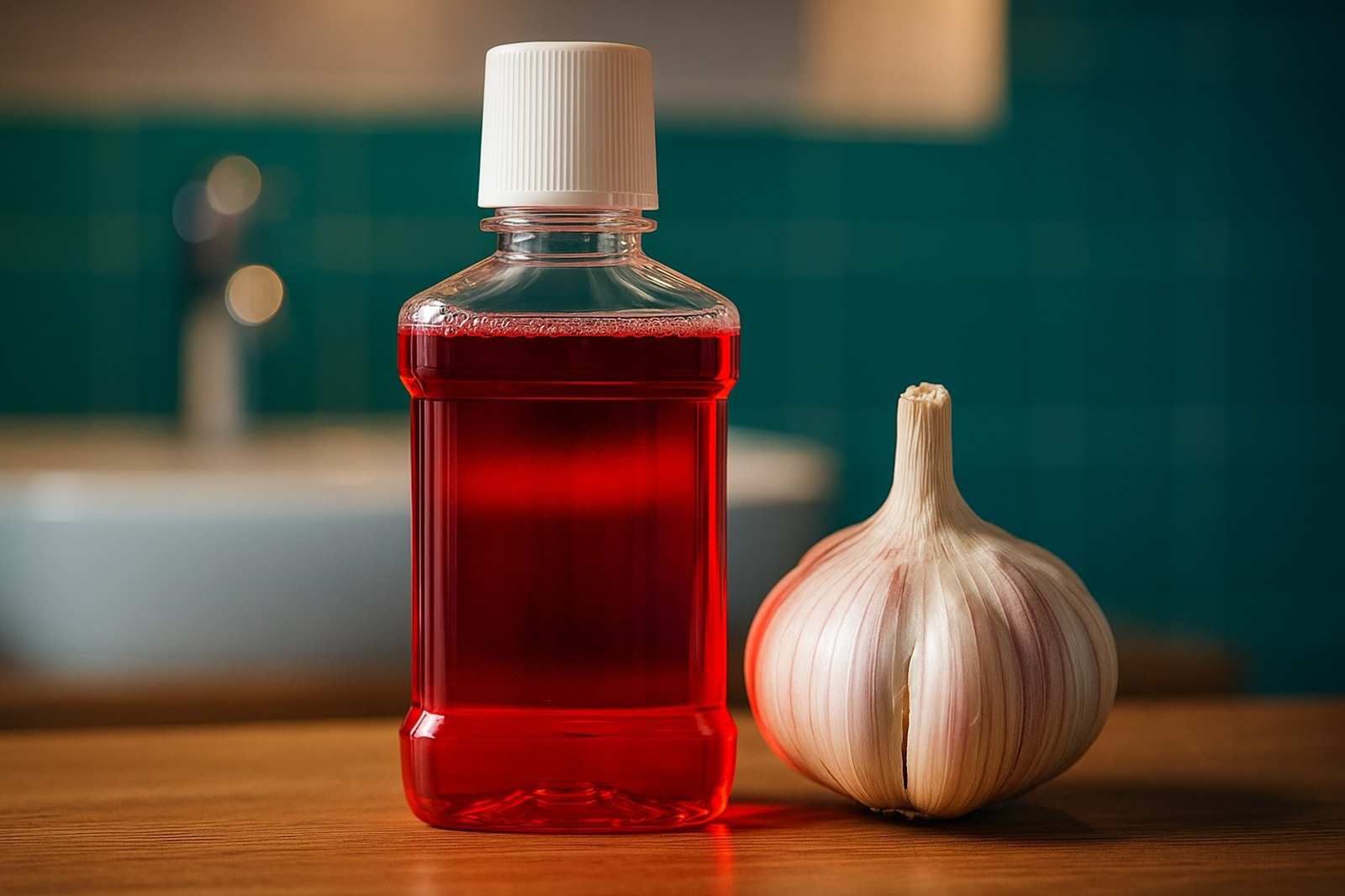

Research Conducted by the University of Sharjah Analyzed Five Studies and Identified That Mouthwashes With Garlic Extract Can Reduce Bacteria in Saliva With Efficacy Similar to That of Chlorhexidine, Though They May Cause Discomfort and Retain the Characteristic Odor
Researchers from The University of Sharjah, in the United Arab Emirates, identified a possible unexpected use for garlic: mouthwash.
According to the study’s authors, the concentrated extract of the ingredient can offer prolonged protection against bacteria in the mouth due to its comparable performance to leading market products.
The investigation gathered data from five different studies and analyzed the antimicrobial effects of the compound.
-
China Develops Custom 140-Ton Electric Mining Truck with 770 kWh Swappable Battery, Deploys 290 Units in Xinjiang’s Largest Zinc Mine

-
Meta to Launch Arena, a New Prediction App Targeting 3.56 Billion Users, Competing with Polymarket and Kalshi

-
Scientist Challenges Famous Human Evolution Theory, Argues Homo Sapiens Evolved Gradually Over Thousands of Years
-
15-Year-Old American Builds Ocean Generator with PVC Pipe and 3D-Printed Propeller for $12, Wins National Prize, Presents at White House, and Makes Forbes 30 Under 30 List




The authors noted that mouthwashes made with high concentrations of garlic extract can achieve efficacy similar to that of chlorhexidine, an active ingredient found in widely known products.
Moreover, the researchers highlighted that the extract may provide longer-lasting action, which sparked interest in its use as an alternative.
Comparison With Chlorhexidine
Chlorhexidine is recognized for its antiseptic action and is often adopted as the gold standard in oral treatments.
However, its use is associated with side effects and concerns regarding antimicrobial resistance, as noted by scholars in the Journal of Herbal Medicine.
Garlic, due to its natural antimicrobial properties, has emerged as a possible substitute in certain products.
The authors emphasized that previous research had already demonstrated garlic’s potential as a potent antibacterial and antifungal agent.
In addition to applications in oral health, extracts of the ingredient are used in items aimed at immune function, circulation, and heart health.
Results of the Meta-Analysis
The meta-analysis revealed that, within a week of use, a mouthwash made with 3% garlic extract significantly reduced the presence of bacteria in saliva.
This performance exceeded that of a mouthwash with 0.2% chlorhexidine under the same conditions. The researchers stated that the side effects of garlic extract are generally less intense than those observed with chemical compounds present in other products.
The reported adverse effects included discomfort in the mouth and strong odor. Chlorhexidine, on the other hand, can cause tooth staining, alteration of taste, and burning sensation.
Despite the limitations, the experts concluded that the extract demonstrated consistent clinical efficacy, with a significant reduction in initial bacterial count.
Need for New Studies
The researchers emphasized that more clinical studies with larger samples and longer follow-up are needed to confirm the feasibility of garlic extract as an alternative mouthwash.
They reminded that many of the studies analyzed were conducted in vitro and lack standardization, reinforcing the importance of further investigations.
The authors stated that garlic’s benefits are associated with the natural compounds present in the plant, especially allicin.
According to a 2018 review conducted by The University of Nottingham, these effects derive from sulfur components that the plant absorbs from the soil. During preparation and digestion, they transform into about 50 different sulfur-containing substances that become biologically active in the body.






