






 Portuguese
  Spanish


Meet Los Caracoles, One of the 10 Most Dangerous Roads in the World According to El País, Where Trucks Face Cliffs, Ice, Sharp Curves, and Extreme Altitude Between Chile and Argentina
With curves so tight they resemble the shape of a snail, the Cuesta Caracoles, in the Andes Mountains, is considered one of the most dangerous roads on the planet. The highway connects Chile to Argentina amidst breathtaking landscapes and extreme challenges for truck drivers and adventurous travelers.
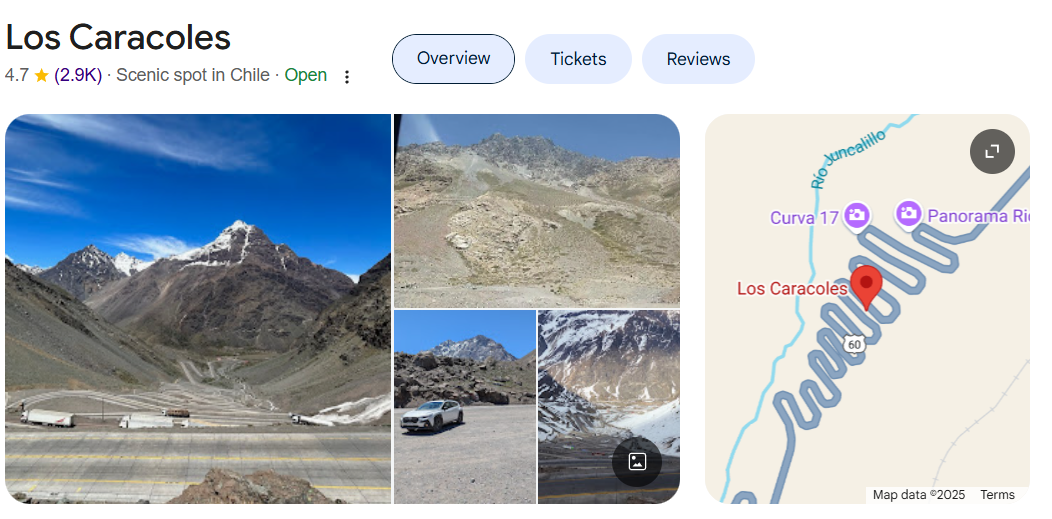
The road, which is part of the Chilean Ruta 60, reaches over 2,500 meters in altitude and is the site of fatal accidents, rollovers, and impressive scenes captured by drones and witnessed by travelers. The newspaper El País classified it among the 10 most dangerous roads in the world.
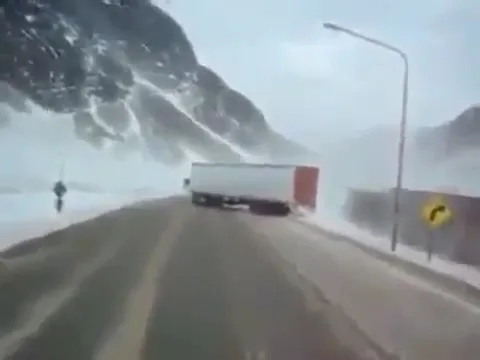

Real Danger at Every Turn: The Constant Tension of Drivers on the Cuesta Caracoles
Few roads in the world demand as much from drivers as the Cuesta Caracoles. There are 29 intense zigzagging turns, with no guardrails, bordering steep cliffs. At any moment, a brake failure can be fatal.
-
How to Unclog Showerhead Holes Blocked by Limescale and Hard Water Without Replacing or Hiring a Technician

-
Award-Winning Korean Electric Scooter Concept Folds to Briefcase Size, Eases Transport Challenges

-
YouTuber Discovers Surreal Collection in 400-Year-Old Italian Fortress Near Florence: 419 Anvils, Giant Walruses, Ancient Church, and WWII Tunnels
-
Creative Uses for Toilet Paper Rolls That Will Change Your Perspective


Truck drivers face this challenge daily, transporting heavy loads from Argentina to Chile. During summer, the heat increases pressure on the brakes. In winter, the frozen road becomes a deadly trap. Many put chains on their tires to avoid slipping.
Videos show trucks turning into “metallic ants” on the slopes, while the smell of burnt rubber reveals the machines’ strain. One of the most dangerous sections is between curves 18 and 19, where most rollovers occur.
Alongside natural risks, there is the reckless behavior of drivers who overtake in blind spots or in the middle of curves without visibility. One mistake, and what could be an epic journey can turn into tragedy.
Accidents are so frequent that there are pieces of destroyed containers, signs of impact, and fallen plaques all along the route. Many drivers have lost their lives on the descent to Los Andes due to impatience or overconfidence.
A Cinematic Road Between Two Countries and a Geography Spectacle
Beyond the danger, Los Caracoles also offers one of the most impressive views in South America. The crossing of the Andes between Mendoza (Argentina) and Los Andes (Chile) cuts through colorful mountains, tunnels carved in rock, and valleys with eternal snow.
The stretch is part of the Paso Cristo Redentor, the main road connection between the two countries. The highlight of the journey is the binational tunnel at 3,200 meters altitude, from which the descent through the curves of Los Caracoles begins.
Along the way, there are attractions like the ski resort Portillo, the mythical Laguna del Inca, the village of Puente del Inca, and the imposing view of Cerro Aconcágua, the highest mountain in the Americas, standing nearly 7,000 meters tall.
Even in summer, ice is visible on the peaks. During winter, the road can be closed for days due to accumulated snow. Those attempting to cross at this time need mandatory chains and must exercise great caution.
The contrast of the dry and dark mountains on the Chilean side with the rivers and vegetation that appear at the end of the descent enchants those who survive the tension of the route.
Unforgettable Experience for Those Crossing the Andes, But with Extreme Caution
Reports from tourists, drivers, and travelers who made the crossing vary between ecstasy and absolute fear. Many recommend taking the journey by bus on the upper deck, with a panoramic view—and nerves of steel.
The feeling of being on a “real-life Hot Wheels” is mentioned by various travelers. The tight turns and steep drop create a visceral experience. It is common to see tourists stopping at viewpoints to take pictures and contemplate the expanse of the road.
However, the trip requires preparation. The use of engine braking is essential to avoid overheating the brakes. The altitude can cause shortness of breath, headaches, and malaise in some. It is recommended to drink water, avoid physical exertion, and be well-fed.
Agencies offer round-trip tours departing from Santiago to Portillo, passing through Los Caracoles. Another option is to rent a car in Santiago or Mendoza and make the crossing on your own—with caution and planning.
The road is paved and well-maintained, but does not forgive distractions. As the channel Claux.7 warns, “one minute of inattention can cost the lives of many people.”
Share Your Experience and Spread the Word!
Have you crossed the Cuesta Caracoles? Are you eager to explore this spectacular road in the Andes Mountains? Share in the comments how your experience was—or what impressed you most about this account.
Share this article with your friends who love road trips, adventures, and extreme geography. And remember: safety comes first. Safe travels!






Em janeiro de 2023 sai de SJCampos e fui até Santiago e Val Paraíso no Chile. Não era época de neve e foi tudo muito tranquilo numa Toro. Muito mais perigosa é a Seera de Ubatuba e a de Cunha. Toda vez que passo nessas estradas me dá um grande desconforto.